
Home & Decor Blogs: DIY, Interior Design & Lifestyle Ideas
8 Stunning 3D Moroccan Tile Design Ideas for Modern Homes
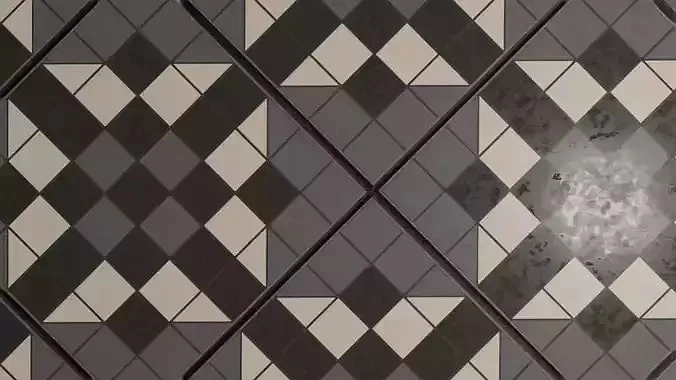
Moroccan tiles have a way of making a room feel storied, but adding a 3D element brings that classic look right into the present. These designs use shadows and raised edges to create texture you can actually feel — moving well past the standard flat finish. From understated earthy tones to sharp geometric pops of colour, there are plenty of ways to play with this depth. Here are eight ideas to refresh your space.
1. Textured Living Room Feature Wall
Pick one wall. That’s it. A single surface layered with 3D Moroccan-inspired geometric patterns does more for a living room than repainting the whole thing twice over. Neutral tones with subtle embossing read as contemporary without trying too hard; go with intricate motifs if you want something that genuinely stops people mid-conversation.
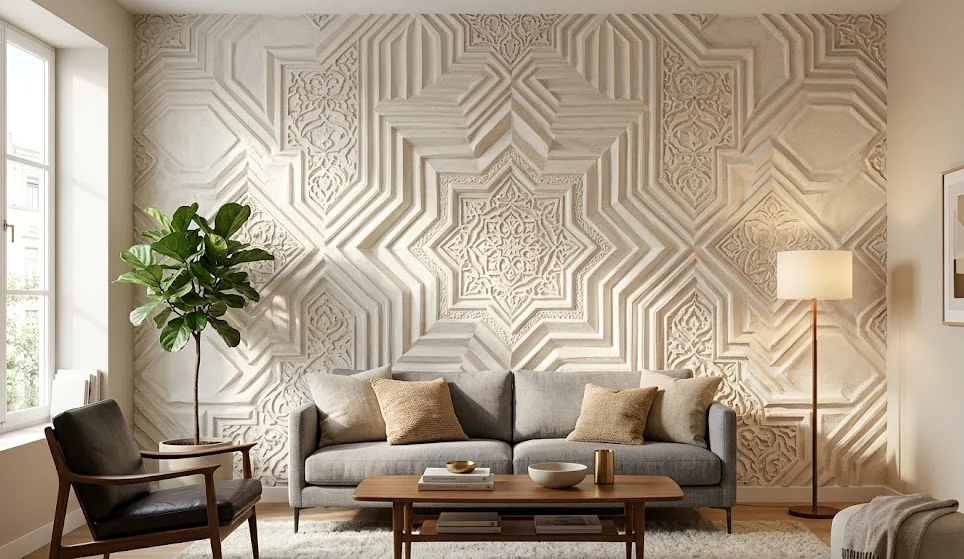
What makes these walls worth the investment is how they behave with light. Morning sun hits them differently than an evening lamp — the shadows shift, the ridges catch differently, and the wall almost changes mood on its own throughout the day.
2. Statement Kitchen Backsplash
Kitchens are practical spaces, and backsplashes exist for a reason — so they might as well look good doing it. 3D Moroccan tiles in a mandala or geometric pattern handle splashes just fine while giving compact kitchens a visual anchor they’d otherwise lack.
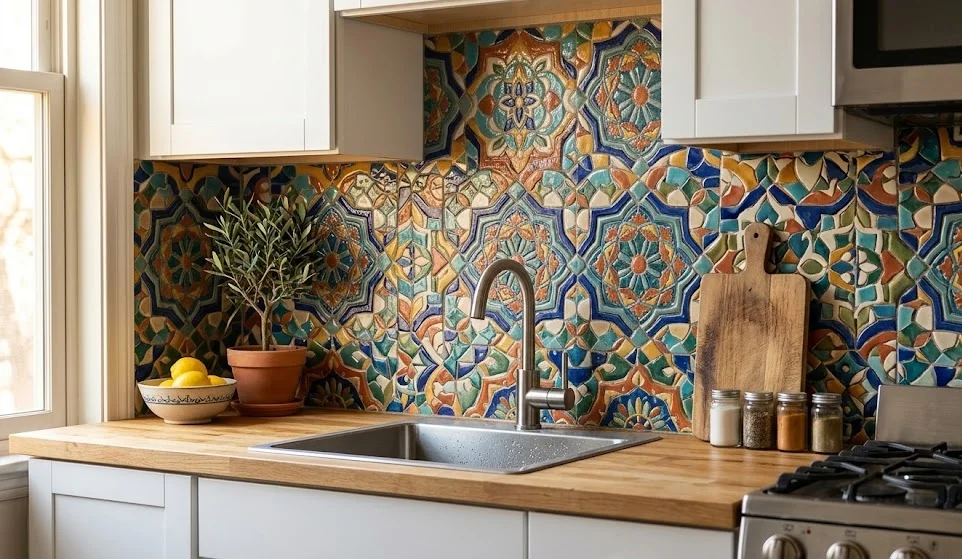
Vibrant shades work here in ways they don’t always work elsewhere. The raised texture breaks up the colour enough that it doesn’t read as overwhelming — you get energy without the walls closing in.
3. Spa-Inspired Bathroom Walls
Bathrooms are where texture really earns its place. Glossy 3D tiles with soft Moroccan motifs on a vanity wall add architectural dimension without cluttering the senses — the repeating pattern actually creates calm rather than noise.

Finish matters enormously in wet areas. Simpolo Tiles & Bathware’s i-Gloss technology is worth knowing about here — the high-depth sheen catches light across 3D ridges in a way that keeps the surface dynamic while staying practical to clean. Pair those reflective walls with matte floor tiles. The contrast handles both the safety concern and the visual one at the same time.
4. Bedroom Accent Wall with Soft Patterns
Behind the bed is where a 3D accent wall makes the most sense in a bedroom — it frames the space without competing with it. Floral or wave-inspired Moroccan patterns in lighter colours keep the room feeling open. The texture adds something without the weight that darker, busier patterns would carry.
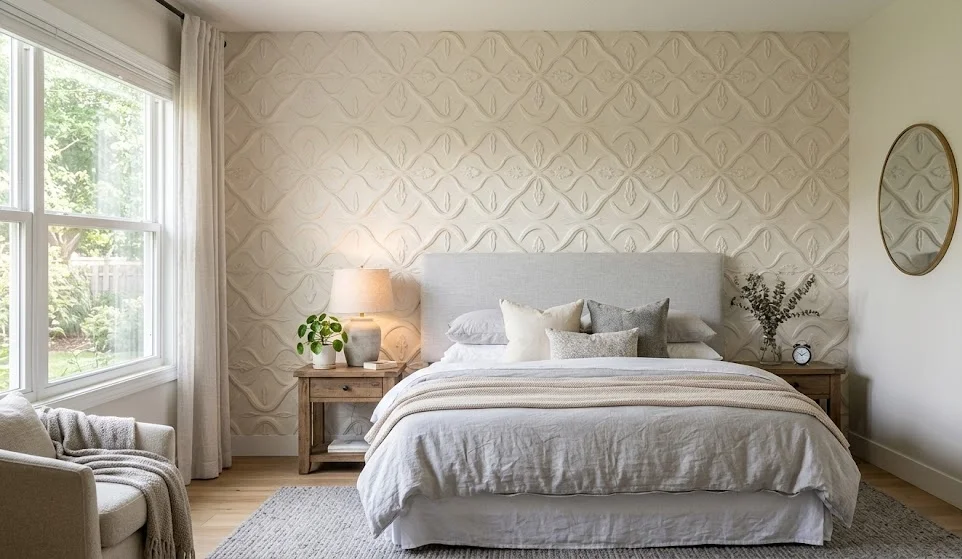
This is one application where restraint in the pattern choice actually amplifies the 3D effect. Simpler motifs let the shadow play do the work.
5. Elegant Entryway Impressions
Entryways are odd spaces — often narrow, usually overlooked, and yet they’re the first thing anyone sees. Vertical or framed layouts using 3D tile panels alongside Moroccan tiles fix that problem fast. Even a small foyer starts to feel considered rather than incidental.
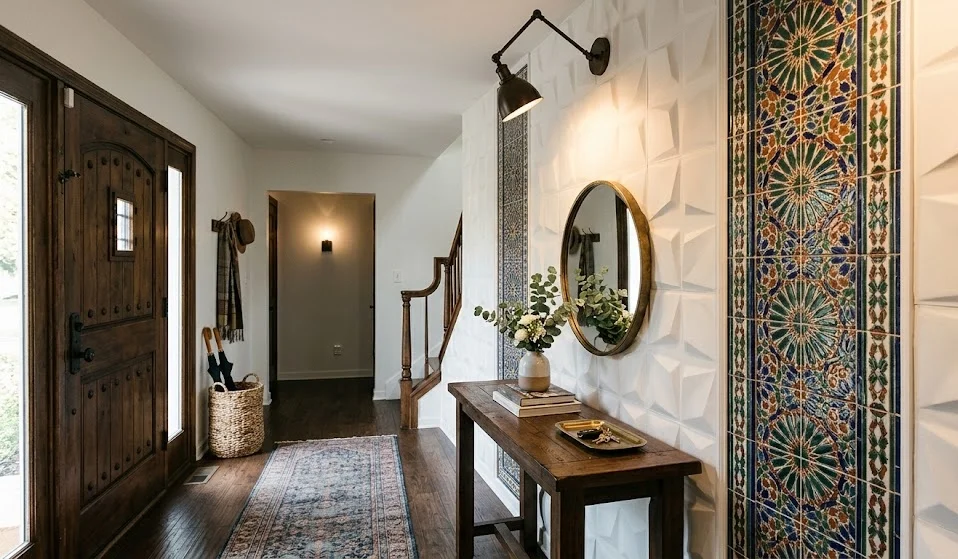
A focused light source aimed at the wall makes the depth read more dramatically. Worth factoring that into the plan before the tiles go up.
6. Creative Balcony or Outdoor Wall
Outdoor walls take a beating, which is probably why most people just leave them bare. Weather-resistant 3D Moroccan tiles in earthy tones or rustic stone-look finishes change that without requiring constant maintenance. A balcony wall done this way stops being background and starts being part of the space.
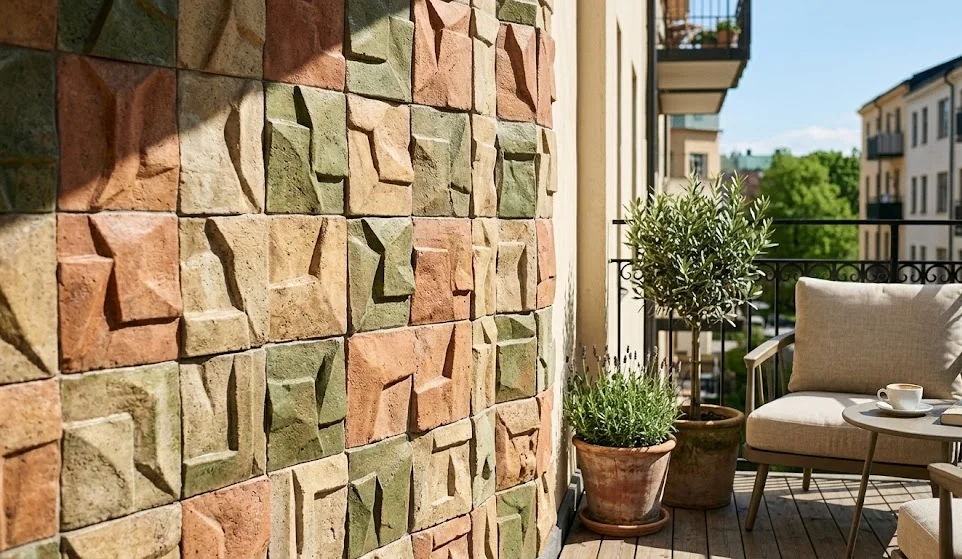
The key with outdoor applications is choosing materials rated for the conditions. The aesthetic argument is easy — the longevity argument depends entirely on picking the right tile for your climate.
7. Contemporary Office or Study Area
Home offices live or die by how the space feels to sit in for six hours straight. A feature wall with 3D tile in a minimalistic Moroccan geometric pattern — neutral colours, clean lines — adds enough visual interest to make the room feel intentional without pulling focus away from the screen.
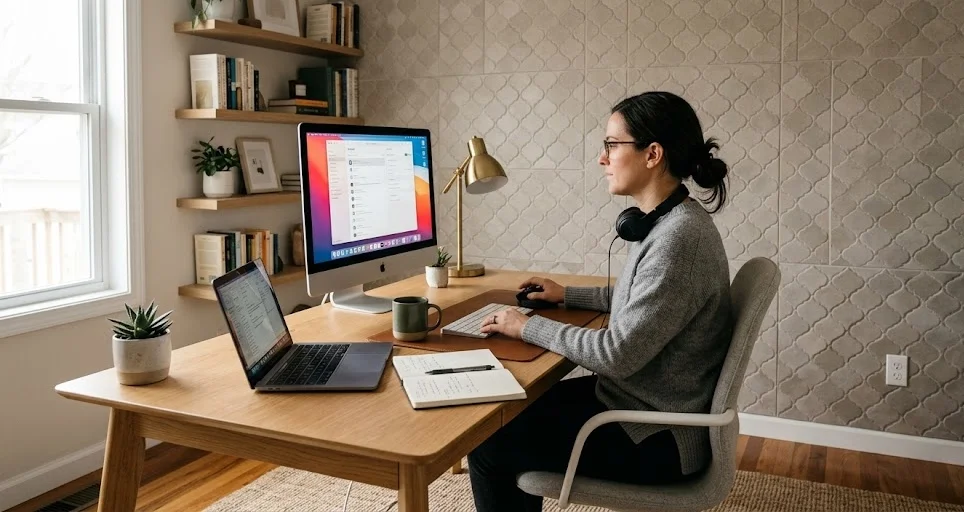
It’s a specific balance, and geometric motifs in stone or greige tones hit it well. The texture registers subconsciously rather than demanding attention.
8. Artistic TV Panel or Niche Design
A TV panel is just a flat wall pretending to be a focal point most of the time. Layering 3D Moroccan tile textures behind or around it changes that — the architectural depth turns the whole setup into something that holds its own even when the screen is off. Soft integrated lighting behind or along the edges pushes that effect further, catching the tile ridges without flooding the room.
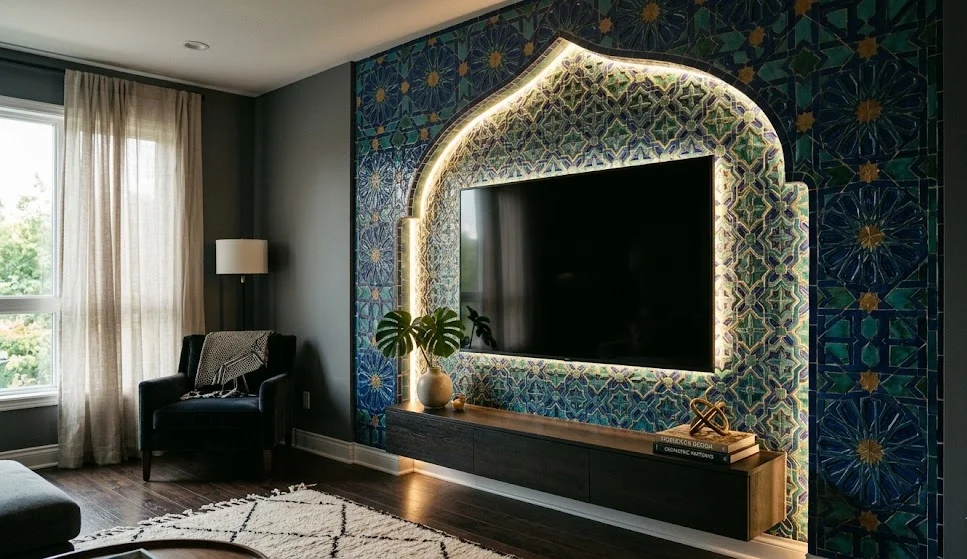
Bold patterns work here. This is one of the few spots in a home where the design can be genuinely dramatic without feeling misplaced.
Choose the Right Design for Your Space
Room size is the first filter. Smaller spaces do better with lighter colours and subtler textures — the 3D effect still reads, but the room doesn’t shrink around it. Larger areas can absorb bold patterns and deeper tones without issue.
Then there’s lighting, which changes everything about how these tiles read. Both natural and artificial sources dramatize the shadows across 3D surfaces — the same tile can look completely different under a warm lamp versus afternoon daylight. Matte finishes absorb that light and feel quieter; glossy finishes bounce it and feel livelier. Neither is wrong, but the choice should match the mood you’re building.
Tile pattern against furniture and existing décor is worth thinking through before committing. The tile doesn’t need to match everything, but it shouldn’t fight everything either.
 Decor & Improvement Accessories