

Home & Decor Blogs: DIY, Interior Design & Lifestyle Ideas
Garden Tub vs Soaking Tub: What Builders Recommend for Modern Homes
Builders commonly recommend soaking tubs for modern homes due to their efficient use of vertical space, ergonomic depth for full immersion, and sleek designs that fit well in smaller or standard bathrooms. In contrast, they suggest garden tubs when a spacious layout allows for a luxurious, statement piece, as these tubs are typically wider and longer but shallower than soaking tubs. The optimal choice ultimately depends on available square footage, the homeowner’s desired aesthetic, and bathing preferences.
Whether you are building a new house or remodeling your master bath, the choice between a garden tub and a soaking tub often comes up. These aren’t just different names for the same thing they serve different needs, fit different spaces, and appeal to different lifestyles.
What Is a Soaking Tub
In simplest terms a soaking tub is any bathtub designed to allow deeper immersion of the body so you can sit in warm water and have most of your body submerged. Builders see soaking tubs as a mark of comfort. Because modern homeowners increasingly treat the bathroom as more than just utility (it’s a relaxation zone), the soaking tub has become a recommended option in many mid to high end homes.
Here are some aspects to consider when builders talk about soaking tubs:
- Depth matters. A typical tub may have a depth of around 14 inches, but soaking tubs often offer 16-20 inches or more of water depth.
- Installation flexibility. Soaking tubs come in many shapes: alcove installations, drop in, freestanding. This gives builders more options to match the bathroom layout.
- Value building. Some builder blogs claim that including a quality soaking tub can improve the perceived value of a home (especially in markets where buyers look for spa-like bathrooms).
However, “soaking tub” is a broad term. It doesn’t always give you a luxury statement piece it might just be a deeper tub.
What Is a Garden Tub
A garden tub is a more specific concept. Think “luxury soaking tub that occupies significant space and is designed for pure soaking, often freestanding, often a feature piece.” Builders who use the term mean: a tub that you install when you have space, want a statement, and often want a view or open layout around it.
Key features often mentioned:
- Larger size in footprint (wider, longer) and often freestanding or in a prominent position (not tucked into a shower/tub combo).
- Depth similar or greater to a soaking tub but with added “luxury” positioning, e.g., near a large window, or with space around it.
- Weight and installation requirements are more demanding; space and plumbing/layout matter more.
- Usually targeted at the “primary” bathroom in a modern home, rather than secondary baths where efficient use of space is more important.
Garden Tub vs Soaking Tub: Key Differences
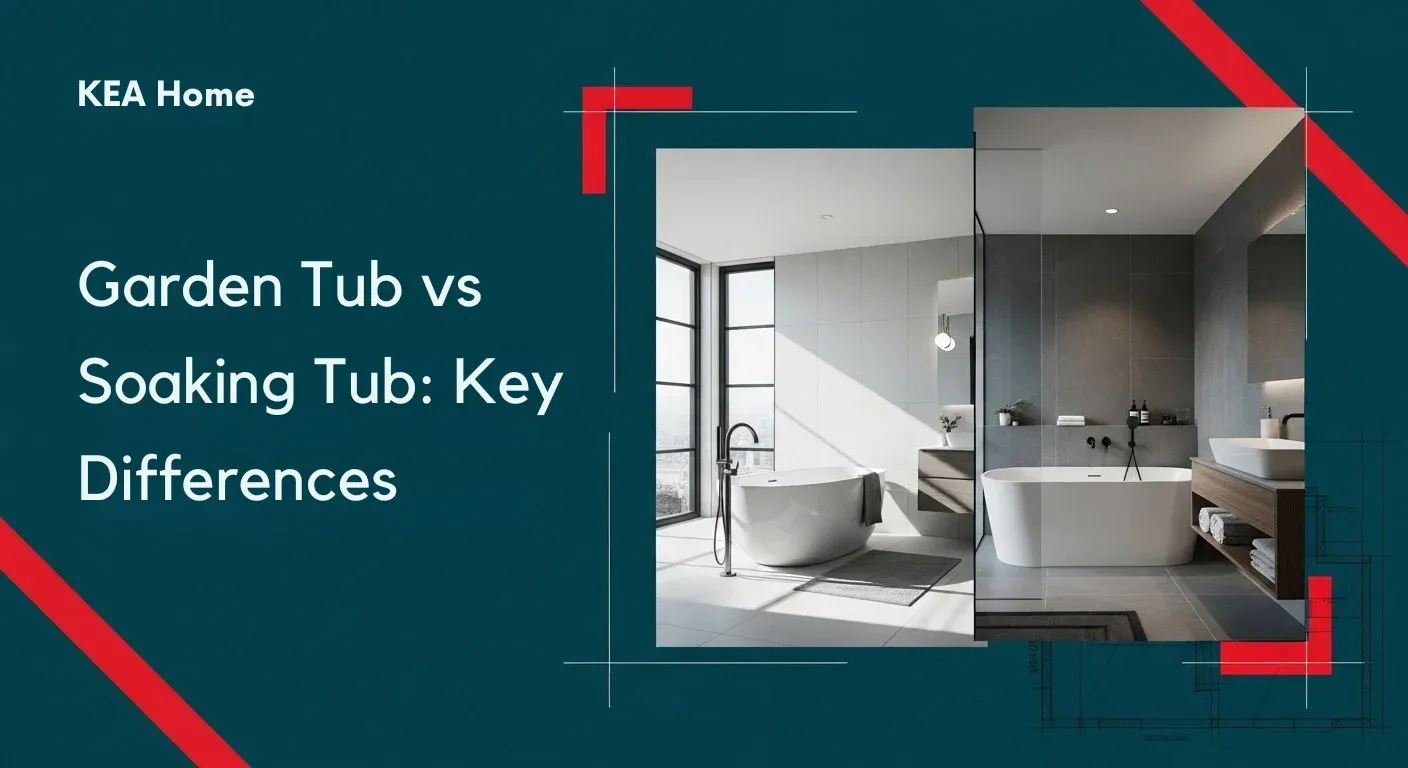
Here we’ll look at the major areas builders and designers emphasise when advising homeowners. I’ll highlight how typical builder considerations steer the choice.
Space & Layout:
Builders always ask: How much room do you have, A soaking tub can often fit more easily into a layout because the footprint can be more modest. A garden tub demands a larger footprint, which means a bigger master bathroom. If your home has a compact primary ensuite, or if your builder wants to optimise square footage, a soaking tub may be the better recommendation.
Modern homes (especially those in urban areas or smaller lots) may lean toward efficient layout, less wasted space:
- Builder recommendation: For homes with generous master bathroom area (8’×12’ or larger, or open plan with window wall), a garden tub works.
- Builder recommendation: For smaller bathrooms or where the bathroom space is tight, a soaking tub delivers the deep soak experience without sacrificing too much layout flexibility.
Structural and Installation Requirements:
This is where builders really differentiate. A garden tub, especially freestanding and heavy (cast iron, stone resin), may require floor reinforcement, special plumbing (floor mount rather than wall mount), and careful placement near windows or as an open center piece. If the home is multi-storey and the bathroom is upstairs, that’s more of a concern.
For a soaking tub: depending on design, you may have fewer structural issues (especially if drop in or alcove). Builders like this when they want to keep cost and structural complexity down.
Materials & Maintenance:
Builders advising homeowners will point out materials (acrylic, cast iron, stone resin) and their implications. From competitor posts we saw: heavier materials (cast iron) hold heat well but are more costly and heavy.
Builder points for modern homes:
- Choose a material that balances budget, ease of installation and long-term maintenance.
- For a garden tub, you might pick a premium finish (stone resin, cast iron) if you want that high-end look and you have the floor support.
- For a soaking tub, you might pick engineered acrylic or lighter material to keep cost/installation simpler.
Maintenance also matters: larger tubs (garden tubs) mean more water, more surface area for cleaning, possibly higher utility bills (hot water load). Builders will warn homeowners of those long-term costs.
Usage & Lifestyle Fit:
- If you and your partner both like long relaxing soaks, wine in hand, maybe reading or window-view, a garden tub delivers that indulgent experience.
- If you’re looking for practical luxury (say you want a deep soak but still shower a lot, or you have children or limited time), then a soaking tub might be the better fit.
Modern homes often blur bath/shower functions (maybe you want a shower plus occasional soak). Builders will recommend which option aligns with your routine.
Resale Value & Market Appeal:
Builders know homeowners care about resale. From one competitor blog: a soaking tub can boost property value, especially for luxury-focused buyers.
For modern homes:
- A well-executed garden tub in a large master suite can be a selling point in higher end markets.
- But in more modest homes or in markets where efficient design is valued, a nicely styled soaking tub may be more pragmatic and still attractive.
Cost Considerations:
Of course, budget matters. Garden tubs typically cost more (larger size, premium materials, more water usage). Soaking tubs, while still a luxury step up from a standard tub, can be more budget-friendly. Builders will walk homeowners through incremental cost: tub cost, plumbing, structural support, water/energy over time, maintenance.
Modern Home Design Trends & How They Affect Your Choice
Open Plan Master Bathrooms:
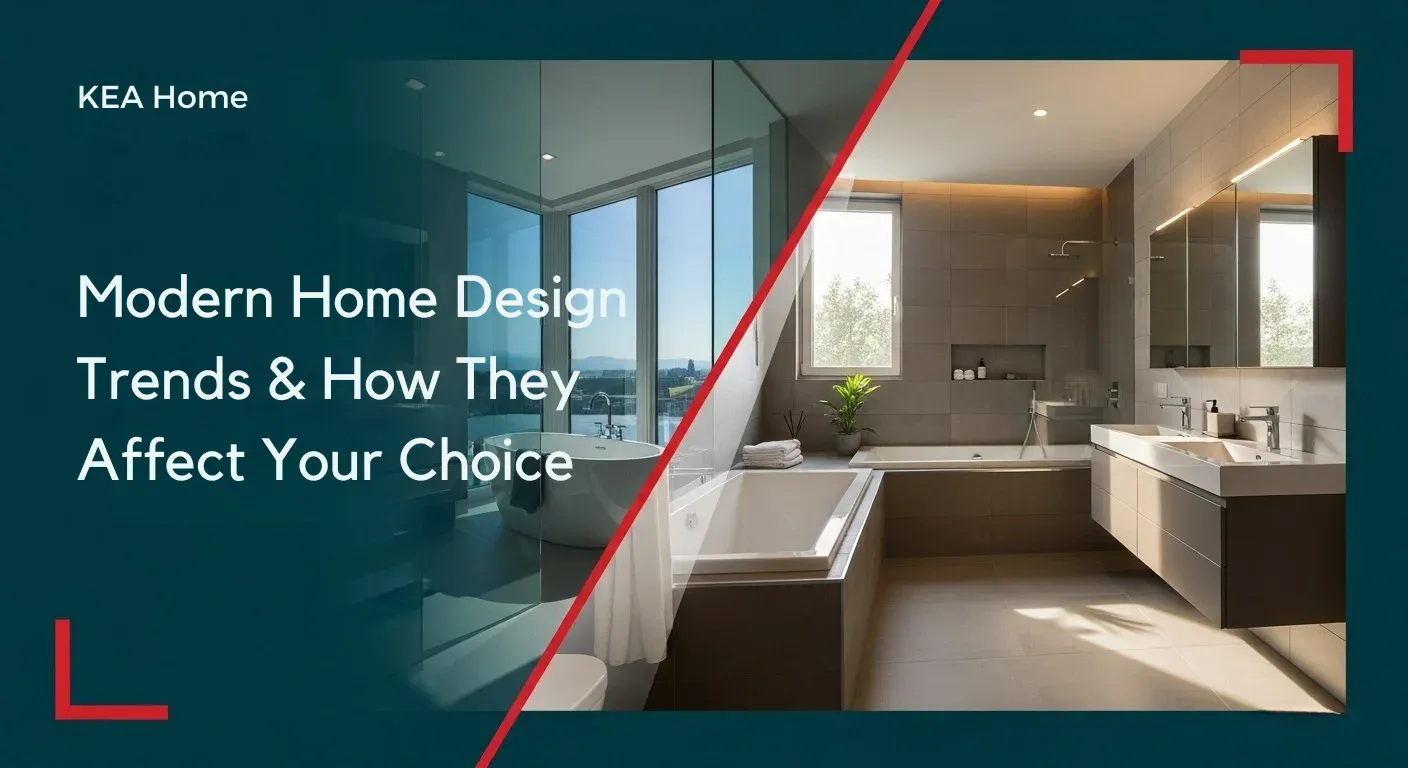
Many new homes favour large, open master bathrooms with glass walls, freestanding tubs, windows. In that scenario, a garden tub can act as a centerpiece. Builders in such homes might recommend placing the tub near a large window or as the focal point of the room.
However, in more standard or modest master bathrooms, the trend is toward efficient layouts (walk-in closets, dual vanity, separate shower). In those cases, a soaking tub that has a smaller footprint and can integrate with the layout becomes more attractive.
Water & Energy Efficiency:
As sustainability becomes more important, modern homes often aim to limit water use and energy consumption. Here’s how that influences tub choice:
- A larger garden tub uses more hot water to fill. That means higher utility costs (and higher embodied energy).
- Soaking tubs that are designed for immersion but have efficient volume (not overly oversized) can give the same feel with less water.
- Builders may recommend tub insulation or covers (for freestanding tubs) to retain heat, again making efficient design choices.
Including that practical sustainability lens is something many older blogs don’t emphasise.
Integration With Smart Home & Wellness Trends
Modern homes are also increasingly wellness oriented (spa-style bathrooms, wellness features). A garden tub fits a “show-off luxury spa bath” trend; a soaking tub fits a “everyday wellness” trend. Builders may recommend:
- For wellness focused homes: a deep soaking tub with optional hydro therapy jets, built in headrest, ambient lighting.
- For luxury statement homes: a garden tub perhaps with freestanding floor faucet, large glass window, minimal design.
Safety & Accessibility Considerations:
Modern homes also consider aging in place, accessibility. If the homeowner is thinking long term, installation height, step in/out and handling matters. Getting in/out of a higher wall (as might be found in oversized garden tubs) can be harder. Builders who think ahead may recommend a soaking tub with modest walls and good step-in height, or one with integrated grab bars.
Should You Choose? A Builder Recommendation Framework
Measure the space: If your master bathroom is large (say width or length >12 ft, ceiling height good, good window placement) → a garden tub is feasible. If the bathroom is modest or you have other priorities (walk-in closet, shower area), then a soaking tub is more practical.
Consider your lifestyle: Do you take long baths regularly, prefer lounging, maybe with a view? Garden tub ticks that. Or do you want a deep soak occasionally but also prioritize showering, efficiency or minimal footprint? Go for a soaking tub.
Think about materials and installation: If you pick a garden tub, check floor support, plumbing (floor vs wall art), and water heater capacity. If you pick a soaking tub, you’ll still check these but often the demands will be less extreme.
Factor in long-term costs and resale: Is your home in a market where big luxury bathrooms matter? Then garden tub might add value. If your market values efficient, modern design, the soaking tub may be smarter. Also consider utility/water cost, maintenance.
Match the design aesthetic: If your home is contemporary, open plan, expecting luxury features a garden tub can be a show piece. If your home is modern but understated, or you prefer minimal maintenance, a soaking tub integrates nicely.
FAQs
A: Although generally not advised, it is feasible. Larger water volumes, more floor area for comfort, and frequently additional structural support are all need for garden tubs. A soaking tub will frequently make more sense in a small bathroom.
A: In such arrangement, showers are distinct from garden tubs, which are typically employed as stand-alone soaking fixtures. More adaptable, soaking tubs can occasionally be combined with showers. Builders will inquire as to whether you intend to soak or take a shower in this tub. Layout is impacted by the response.
A: The market determines this. A garden tub can increase appeal in upscale residences where buyers anticipate opulent additions. A well-designed soaking tub might be more sensible in more conventional or contemporary homes where utility and efficiency are important. Always take into account what comparable residences in your neighbourhood display.
A: Indeed. Garden tubs frequently require more water to fill, more surfaces to clean, greater heat loss, and possible structural changes, all of which increase expenses. If selected carefully, soaking baths can be less expensive in each of those categories.
A: Materials are usually suggested by builders based on factors like weight, appearance, and upkeep. Cast iron is heavy but traditional, acrylic is lighter and simpler to install, and stone resin is expensive and hefty but has a high-end appearance. Many builders choose premium acrylic or composite for contemporary homes in order to strike a balance between price and luxury.

 Decor & Improvement Accessories