

Home & Decor Blogs: DIY, Interior Design & Lifestyle Ideas
How to Pair a Lantern Chandelier with Your Home’s Decor

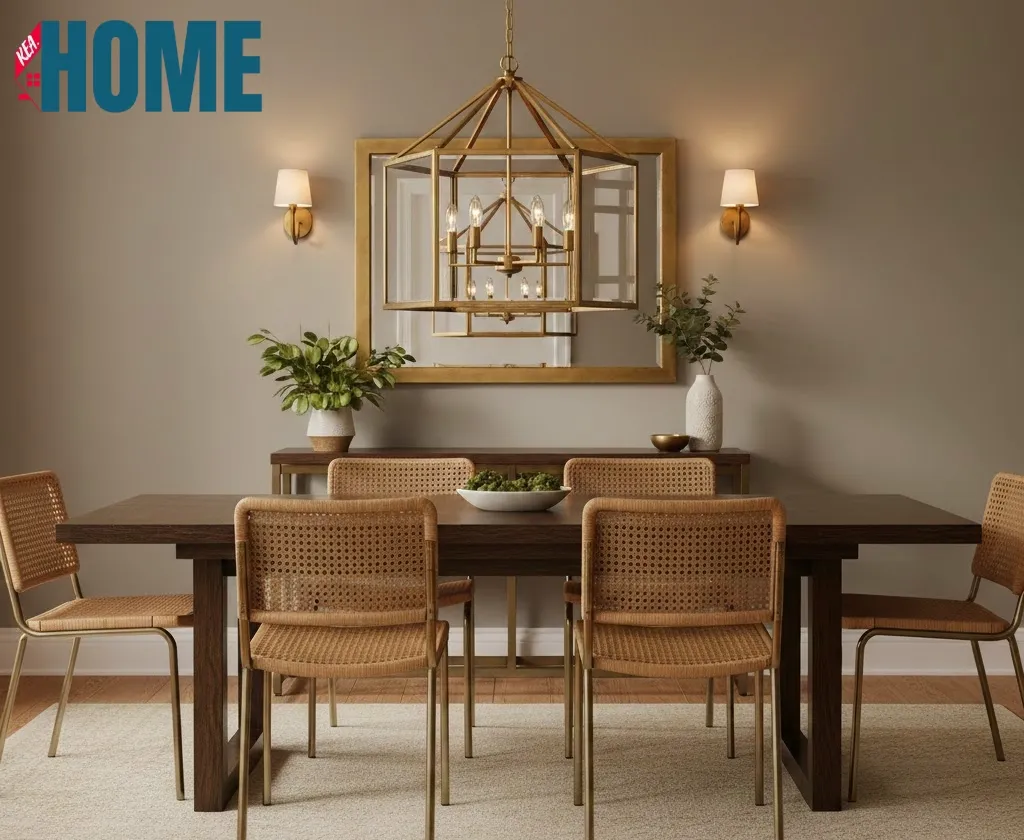
A lantern chandelier in the wrong spot looks like a clearance grab. In the right spot, it anchors the whole room. The difference comes down to a few decisions most people rush through.
Style Categories Matter
Lantern chandeliers cover huge range—ornate Moroccan pieces, stripped-down industrial cages, everything between.
Metal finishes set the tone:
- Oil-rubbed bronze → traditional
- Matte black → modern or industrial (depends on frame shape)
- Antique brass → transitional spaces with mixed furniture
- Weathered/distressed → farmhouse, rustic
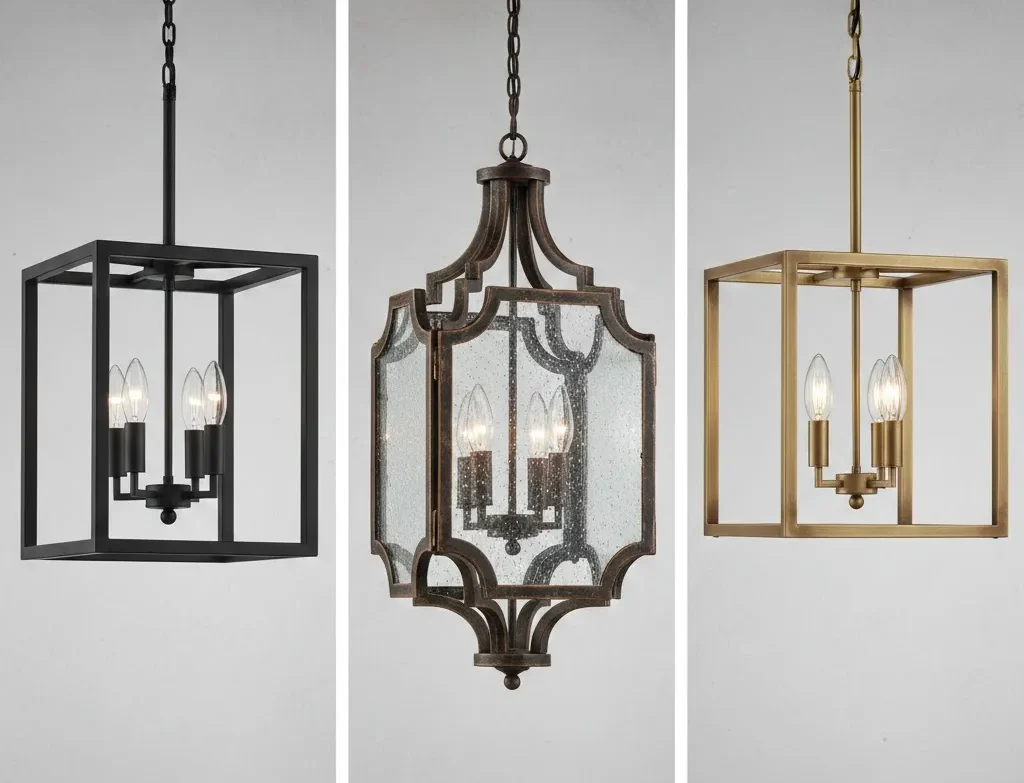
Glass changes everything: Seeded glass softens light and adds texture. Clear glass keeps things sharp. No glass at all gives you that airy farmhouse vibe.
Figure out your chandelier’s category before thinking about placement. A rustic wrought-iron piece and a sleek geometric pendant need completely different supporting elements.
Sizing Guide
| Location | Measurement Rule |
|---|---|
| Over dining table | Chandelier diameter = table width minus 12 inches |
| Hanging height (8ft ceiling) | 30-34 inches above table surface |
| Hanging height (add per extra foot of ceiling) | Raise 3 inches |
| Entryways/living rooms | Bottom of fixture at least 7 feet from floor |
| Room proportion | Add room length + width in feet, convert to inches for diameter |
Too small is worse than too big—looks like you settled.
Color and Finish Pairing
Neutral rooms give you flexibility. Matte black creates contrast. Antique gold warms sterile spaces. Weathered wood adds texture without competing.
Bold wall colors need careful handling. Deep blue walls and brass can clash—go for black, aged pewter, or white-painted frames instead.
Critical detail: Your existing hardware matters. Door handles, cabinet pulls, faucets in brushed nickel? A heavily antiqued bronze chandelier sticks out badly. Stay within the same metal family.
Placement Options Beyond Dining Tables
- Entryways: Statement piece, especially two-story foyers. First thing guests see.
- Living rooms: Over central seating area or coffee table grouping—never empty floor space.
- Kitchen islands: Multiple smaller fixtures spaced evenly beats one oversized piece blocking sightlines.
- Bedrooms: Above foot of bed creates unexpected focal point.
Layer Your Lighting
Your chandelier can’t do everything. It provides ambient light and visual interest—that’s it.
Recessed lights fill gaps. Dimmer switches on everything let you adjust the balance. Wall sconces add layers without competing. Table and floor lamps handle task lighting.
Matching metals help tie things together, but similar finishes in different styles looks more collected than matchy-matchy sets from the same collection.
Common Mistakes
Hanging too high. Makes even substantial chandeliers look timid, floating disconnected from the space. When in doubt, go slightly lower.
Wrong bulbs. Too bright, too blue, too harsh undermines everything else. Warm white (2700K-3000K range) works for most homes. Get dimmable.
Ignoring scale. Tiny chandelier over massive table looks like a mistake. Huge fixture in small room with low ceilings overwhelms everything.
Rushing it. You’ll look at this thing daily for years. Find something you actually love.
Before You Buy
Write down: room dimensions, ceiling height, table size, existing metal finishes. Bring this shopping or keep it handy online.
Check your fixture in different lighting if possible—showroom lighting never matches home lighting.
The right lantern chandelier pulls a room together in a way that’s hard to articulate but immediately obvious when you see it. Worth the effort.
 Decor & Improvement Accessories