

Home & Decor Blogs: DIY, Interior Design & Lifestyle Ideas
Turning Farmland Into Income-Producing Property

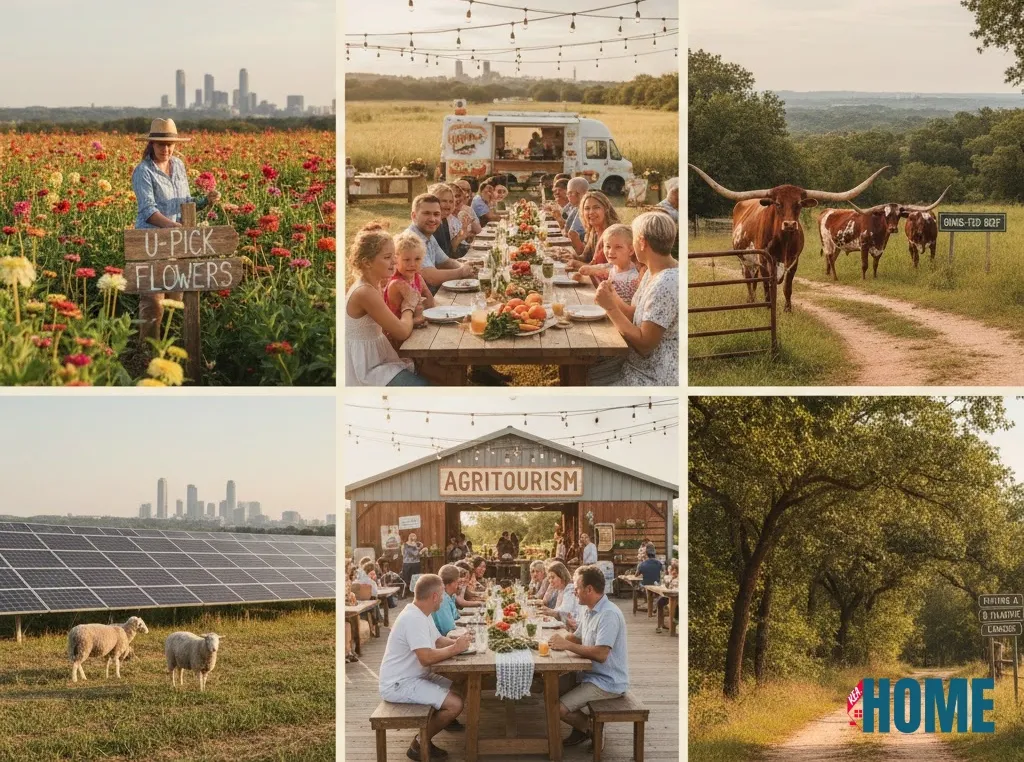
Turning farmland into income-producing property gives landowners a practical path to steady returns while supporting long-term growth. Many investors evaluate land near expanding cities because strong demand for food systems, lifestyle farming, and recreational use strengthens land values. Austin continues to attract population growth, business development, and agricultural innovation, so farmland near the metro area offers compelling potential for owners who want reliable income streams. This article explores several strategies that convert land from idle acreage into productive assets. It focuses on clear, actionable ideas that apply to both new investors and long-time landowners who want better performance from their property.
Evaluating the Land’s Strengths and Limitations
A landowner benefits from a complete understanding of soil quality, water access, elevation, and existing vegetation before choosing any income model. Productive soil supports crops, while varied terrain supports recreational or livestock uses. Strong access to roads also increases potential value. A careful review of these factors helps a landowner choose profitable activities with realistic cost expectations. The process also clarifies what improvements deliver meaningful returns. Investors who analyze these elements early build a foundation that supports dependable income and long-term land appreciation through smart, informed decisions.
Leveraging Local Demand to Shape Income Potential
Local market demand influences every profitable farmland strategy. Rapid growth near Austin encourages interest in small-scale farming, agritourism, and flexible leasing opportunities. Buyers often explore farmland for sale in Austin when they want space that produces both financial and lifestyle benefits. This shifts the value of nearby land and encourages owners to diversify revenue sources. Rising consumer interest in farm-to-table produce, eco-conscious tourism, and hobby farming also expands income options. Understanding these trends helps a landowner structure projects that feel relevant and practical for buyers, visitors, and tenants who want authentic rural experiences backed by strong regional demand.
Developing Crop Production for Reliable Returns
Crop production offers a straightforward income path when the land supports it. A landowner chooses crops that match soil and climate conditions, then builds a schedule that delivers predictable harvests. Direct sales to local grocers, restaurants, or farmers’ markets raise profitability because these channels reward freshness and consistency. Specialty crops, such as herbs or high-demand vegetables, often deliver higher margins than large commodity crops. Clear record-keeping, consistent planting cycles, and efficient irrigation systems keep expenses reasonable. This approach creates dependable revenue and strengthens relationships with local buyers who value quality produce from nearby farms.
Generating Income Through Livestock and Pasture Management
Livestock operations allow owners to earn income through cattle, goats, poultry, or sheep. Strong fencing, healthy grazing rotations, and clean water access keep animals healthy and reduce long-term costs. Grass-fed or free-range products often command higher prices and attract buyers who prefer ethically raised meat or dairy. A landowner can lease pasture to ranchers when direct management feels impractical, which still produces a steady income without daily labor demands. Clear agreements, regular property checks, and documented care standards help both parties maintain a productive and respectful working relationship. This method turns open acreage into a consistent revenue generator.
Creating Agritourism Experiences for Additional Revenue
Agritourism opens creative ways to earn income while introducing visitors to rural living. Activities such as farm tours, seasonal events, workshops, and pick-your-own harvest days draw families, food enthusiasts, and hobby growers. Visitors enjoy educational and recreational experiences, and the landowner gains a dependable revenue stream. Successful operations maintain clean facilities, safe walking areas, and engaging activities that fit the property’s strengths. Strong branding and social media outreach also help attract new guests. Agritourism strengthens community connections, supports local economies, and positions the property as a unique destination rather than a simple piece of farmland.
Introducing Recreational Leasing Opportunities
Recreational leasing turns open acreage into a dependable income source for outdoor enthusiasts. Landowners offer access for activities such as hiking, hunting, wildlife photography, or birdwatching. Clear rules, designated access points, and responsible visitor guidelines create an enjoyable experience for guests and protect the land. A reasonable annual or seasonal fee keeps the arrangement profitable. Many landowners pair recreational leases with habitat improvements that attract more wildlife and raise the land’s appeal. This approach supports sustainable land use, encourages repeat bookings, and creates a steady revenue stream without heavy operational demands.
Adding Value Through Sustainable Energy Projects
Sustainable energy initiatives allow landowners to generate income with minimal day-to-day involvement. Solar and wind developers frequently seek land with consistent exposure and open space for equipment installation. A landowner reviews each proposal carefully, confirms long-term contract terms, and evaluates how the infrastructure fits with existing uses. These projects often provide predictable lease payments that remain stable for decades. The land continues to support other activities when planned correctly, which helps owners maximize total revenue. Many investors consider this strategy because it supports environmental goals and delivers long-term financial reliability.
Exploring Specialty Niches for Higher Margins
Specialty niches offer strong income potential for owners who want unique, high-margin ventures. Examples include mushroom cultivation, cut-flower production, microgreens, or heritage-breed livestock. These operations rely on quality control, consistent output, and creative marketing that speaks directly to consumers who appreciate distinctive products. A landowner benefits from researching demand before investing in infrastructure or supplies. Specialty niches often thrive on small plots, so they work well for properties that lack large crop acreage. With thoughtful planning and disciplined production schedules, these ventures deliver impressive returns and help the land stand out in competitive markets.
Building Long-Term Income Through Leasing Agreements
Long-term leasing agreements offer dependable revenue for owners who prefer predictable cash flow without daily management tasks. Lease arrangements support uses such as farming, grazing, storage, or seasonal activities. Strong agreements clearly outline responsibilities, payment schedules, maintenance expectations, and renewal options. Good communication between both parties ensures smooth operations and reduces misunderstandings. When structured correctly, leases strengthen the property’s income stability and support strategic planning. They also allow owners to maintain control over the land while earning consistent returns. Many investors favor this model because it blends low involvement with durable financial performance.
Turning farmland into income-producing property requires informed decisions, creative planning, and a focus on opportunities that align with local demand and land characteristics. Each strategy builds on the strengths of the property while supporting long-term financial growth. Whether through crops, livestock, tourism, leasing, or specialized ventures, the land gains new value when used with intention and practical management. Landowners who diversify revenue sources and invest in thoughtful improvements create stable, resilient income streams. This approach transforms farmland into a productive asset that supports both present goals and future financial security.
 Decor & Improvement Accessories