

Home & Decor Blogs: DIY, Interior Design & Lifestyle Ideas
Tips for Finding Townhomes for Rent Within Your Budget

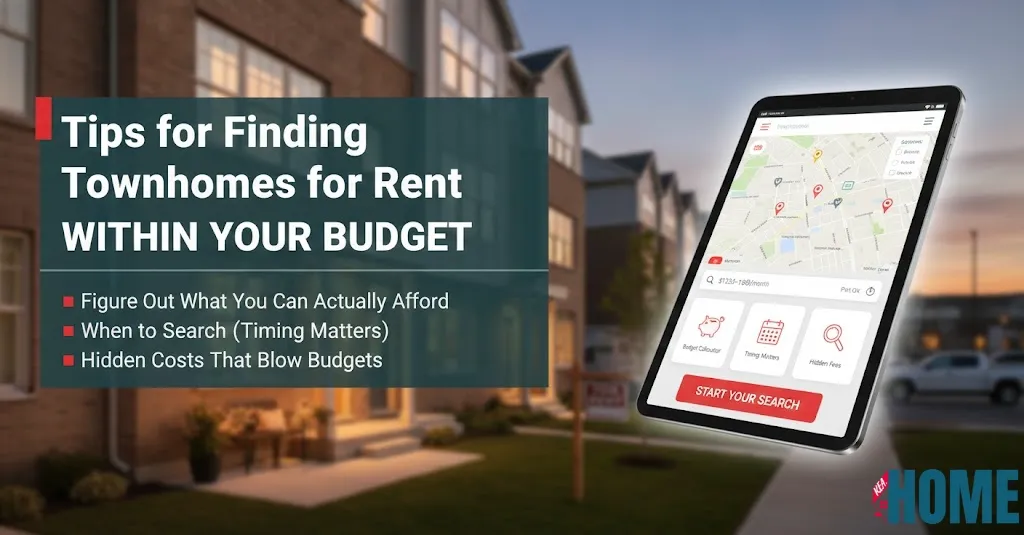
Townhomes are in a perfect position between single-family houses and apartments. You have more room, usually a separate entrance, perhaps a small yard or a patio, and none of the commitment of purchase. However, it will take more than just browsing through listings and wishing to buy the best one that is within your financial reach.
Figure Out What You Can Actually Afford
They have an old rule that rent should not be more than 30 percent of gross monthly income. That is why, with an income of 5,000 a month pre-taxes, you can only afford $1,500 on rent. Other financial advisers are now recommending 25%, particularly in costly economies where utility and transport consume your paycheck.
However, it is in this regard that people are surprised to discover that townhomes can have prices that the apartments do not. You may be in charge of taking care of the lawn, snow, or simply doing some repairs. Other communities impose HOA fees, which are transferred to the renters, between $50 and $300 per month, depending on the amenities. Enquire first what comes with the product and what does not.
Townhomes are also expensive in terms of utility costs as compared to apartments. Increased square footage implies increased heating and cooling. Allocate a little bit more money per month, say $50-100, in comparison with the cost you had to pay in an apartment, when there are several stories or large windows in a townhome.
When to Search (Timing Matters More Than You Think)
The prices of renting are not the same all year round. The highest demand is during summer as the families relocate before they are back at school, and decreases during winter since no one wants to transport furniture across snow. You can also save 5-10 per cent on monthly rent when you search in November, February, etc.
Your friend is end of the month. Vacancies are detested by property managers. When a unit has been vacant and the first of the month is at hand, then they will be more willing to negotiate. Feel free to enquire whether they would look at offering a lower rate or no application charges.
What to Actually Look For During Visits
Anyone can tell you to visit properties in person. The useful part is knowing what to check beyond the obvious.
Not only the landlord, but also neighbors. You are going to hear that the neighborhood is safe and quiet from the property managers. The neighbor will inform you about the thickness of the walls, the packages stolen, or the amount of time taken to repair the items.
Monitor the pressure of water and turn the taps on. Sometimes the plumbing of older townhomes is not visible. Turn on the shower, turn on the flush toilets, and inspect sinks for water damage or mold.
Visit at different times. What could be a quiet street at 2 pm on a Tuesday could be a nightmare in a parking lot at 6 pm when all the people get home after work. Preferably, come by in the evening or on the weekend.
Look at storage space. Townhomes promote more living space than apartments, but closets and storage areas vary wildly. If you’re coming from a larger place or have seasonal items, make sure there’s somewhere to put everything. For belongings that won’t fit comfortably in your new space, storage units Greensboro can help keep seasonal items, extra furniture, and household overflow organized without creating clutter.
Hidden Costs That Blow Budgets
Application fees are expensive to add when you are seeking several properties – they are usually between $25 and $75 per adult. In other places, they do not even refund them in case of denial.
Pet deposits are another hit. Projected initial cost is between $200-500, and monthly pet rent may be expected up to $25-50 each. There are communities that put limitations on breeds or the size of the townhome, so make sure that policies are mentioned before falling in love with a place that your dog cannot live in.
The amount of security deposit is normally one month of the rent, though there are landlords who request a first and last month’s deposit as well. Three months of your rent, and you are not even in it.
Moving expenses, utility setup charges – prepare to spend an extra $500 to 1000 on top of your deposit on such one-time expenses.
Red Flags in Lease Agreements
Before signing anything, read the full lease. Here’s what trips people up:
Automatic renewal clauses. There are also leases where the lease automatically renews for a period of one full year unless you provide 60-90 days’ notice. Get locked in when you miss that window.
Vague maintenance language. Who fixes what? When the lease includes the words, tenant is in charge of minor repairs without any definition of what minor is, you may find yourself paying money on things that should not be considered your issue.
Rent increase terms. Can they raise rent mid-lease? By how much upon renewal? There are reasonable landlords; some increase rates 10-15% a year, due to their ability to do so.
Penalties of early termination. Life happens. Movement of jobs, family crisis, and poor roommate conditions. Understand what it is to terminate the lease – usually 1-2 months of rent, but in some cases it is higher.
Questions Property Managers Don’t Expect (But Should Answer)
- What’s the average length of tenancy here? High turnover is a warning sign.
- How quickly do you handle maintenance requests? Get specifics, not just “promptly.”
- Has rent increased for current tenants, and by how much?
- What’s the policy on modifying the unit – hanging shelves, painting walls?
- Are there any planned renovations or construction in the community?
Making Your Application Stand Out
In competitive markets, landlords can be picky. A few things help:
Show proof of stable income – pay stubs, employment letter, tax returns if you’re self-employed. Most landlords want to see income at least 2.5-3x the monthly rent.
Offer references from previous landlords, not just friends or employers.
If your credit isn’t great, acknowledge it upfront and explain the circumstances. Offering an extra month’s security deposit sometimes helps.
Being flexible on move-in dates can work in your favor, too, especially if the unit is currently vacant.
Start With a Realistic List
Note what you really need and want, but not what would be nice. There may be a need to have 3 bedrooms in case you have children or work at home. A gas fireplace is pleasant, but I would not spend your money on it.
The townhomes within various neighborhoods may differ by hundreds of dollars on similar layouts. A 15-minute extended travel can save you 200 dollars per month – something to think about when you are financially strained.
Listing on several websites of property management companies, Zillow, Apartments.com, Facebook Marketplace, and even Craigslist (with relevant precautions). Some landlords are listed in a single location.
Townhomes, which can be affordable, located well, and spacious, are not easily found, yet it is possible. Put your money in the right places, know the right questions, and do not be in a hurry to sign a document that is going to kill your budget in the coming year.
 Decor & Improvement Accessories