

Home & Decor Blogs: DIY, Interior Design & Lifestyle Ideas
From Cozy to Contemporary: How Deep Floor Shades Transform Any Interior Style

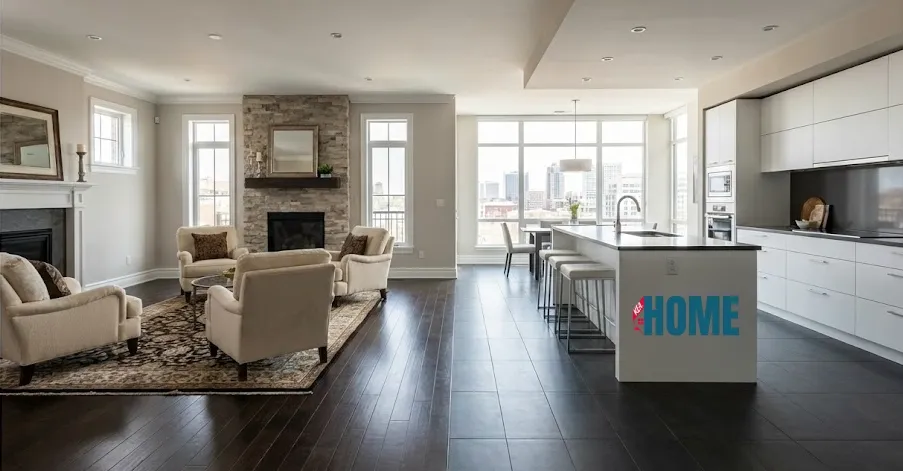
Flooring rarely gets the same attention as furniture or wall color, yet it does more visual work than almost any other surface. It runs through every room, connects spaces, and sets the baseline for everything placed on top of it. When that baseline is dark, the effect is often misunderstood.
Deep floor shades aren’t just about mood or trend cycles. They influence how a room feels proportionally, how light behaves, and how different styles relate to one another. Used well, dark floors can feel warm and settled or clean and modern, sometimes within the same home.
That range comes from understanding what dark floors actually do in a space and recognizing the broader dark flooring effects on perception, balance, and flow.
Why Floor Color Does More Than Set the Mood
Floors are the largest uninterrupted surface in most interiors.
- Unlike walls, they aren’t broken up by windows or artwork.
- Unlike furniture, they don’t shift over time.
That makes their color especially influential.
Darker floors visually anchor a room. They pull the eye downward, creating a sense of stability. This grounding effect is why rooms with deep floors often feel more considered, even when the furniture is minimal or eclectic.
There’s a common belief that dark floors make rooms feel smaller. In practice, scale depends more on contrast and lighting than on color alone. A room with dark floors and light walls often feels clearer and more defined than one where surfaces blur together.
The Psychological Weight of Dark Surfaces
Dark surfaces carry visual weight. In flooring, that weight can translate to comfort or clarity depending on how the rest of the room is handled.
- In a living room, it helps seating areas feel intentional.
- In a hallway, it creates direction instead of reading as an afterthought.
This is why many designers treat deep flooring as a supporting element. It stays quiet while giving the rest of the room structure.
Creative brands looking for hands-on architecture and design partner with Erin Morris for intentional, detail-driven spaces.
Dark Floors in Cozy, Traditional, and Transitional Interiors
In traditional or cozy interiors, dark floors tend to enhance warmth rather than mute it. Picture a living room with soft lighting, layered textiles, and natural materials. A deep wood tone underfoot gives those elements visual grounding.
Dark floors also help classic spaces avoid feeling overly ornate. Paired with detailed millwork or traditional furniture, they introduce balance and restraint.
Transitional interiors benefit in much the same way. Sitting between old and new, these spaces rely on a steady base. Dark floors act as that constant, allowing modern and traditional elements to coexist without tension.
Avoiding the “Too Heavy” Look
The issue isn’t darkness itself. It’s an imbalance.
Spaces feel compressed when several factors stack together:
- Low ceilings
- Dark walls
- Dark floors
- Limited lighting
Lighter wall tones, thoughtful lighting, and trim color make the difference.
Light trim creates separation between floor and wall, even when the contrast is subtle. Layered lighting keeps dark floors from absorbing too much visual energy.
The Role of Dark Flooring in Contemporary and Minimalist Design
In contemporary interiors, dark floors often serve a different role. Instead of adding warmth, they reduce visual clutter.
Minimalist spaces rely on fewer elements, which means each one carries more weight. A deep floor shade creates a calm base that allows walls, furniture, and negative space to stand on their own. Rather than competing with statement pieces, it frames them.
Dark floors also suit open layouts. When one flooring material runs through the kitchen, dining, and living areas, the home feels more cohesive. Zones feel defined without relying on rugs or abrupt material changes.
Matte vs. Gloss in Modern Spaces
Finish plays a quieter but equally important role.
- High-gloss dark floors reflect light sharply, which can distract in restrained interiors.
- Matte or low-sheen finishes distribute light more evenly, reinforcing a sense of calm.
Color alone doesn’t determine the effect. Surface finish shapes perception just as much.
Transitional Spaces Where Dark Floors Do the Most Work
Open-plan homes often struggle with cohesion. Shared sightlines connect spaces that serve very different purposes. Dark floors help tie those areas together without flattening the design.
With a consistent floor, designers gain freedom elsewhere. Cabinetry, wall color, and furniture style can shift from one area to the next without breaking visual continuity.
Hallways and staircases benefit as well. Instead of functioning only as connectors, they become intentional parts of the interior.
Consistency Across Rooms
Dark floors reduce the need for visual breaks.
- Fewer thresholds mean fewer interruptions.
- Spaces feel calmer and more resolved.
In smaller homes, especially, this continuity prevents rooms from feeling fragmented.
Common Misconceptions About Deep Floor Shades
One persistent myth is that dark floors show more dust and scratches. In reality, mid-tone floors often reveal debris more clearly. Finish, texture, and daily habits play a larger role than color alone.
Another assumption is that dark floors only belong in large homes. Proportion matters more than square footage. A small room with balanced contrast and good lighting can support a deep floor just as well as a spacious one.
Understanding dark flooring effects comes down to how light interacts with the surface, not how dramatic the sample looks on its own.
Choosing the Right Shade and Undertone
Not all dark floors behave the same way. Undertone matters as much as depth.
- Warm browns and charcoals with red or golden notes tend to feel inviting.
- Cooler blacks and grays read cleaner and more modern.
Lighting changes everything. A floor that looks rich in a showroom can appear flat or overly stark in a different setting. Viewing samples in the actual space, at different times of day, shows how the color really performs.
For this reason, many designers avoid true black. Near-black shades offer depth without feeling absolute, which leaves more room for future changes.
When Dark Floors Fail
Problems usually stem from stacking dark elements without contrast.
Common issues include:
- Dark floors paired with dark walls and ceilings
- Limited lighting
- Ignoring natural light direction
North-facing rooms behave very differently from sunlit ones. Dark floors work best when they’re part of an overall plan rather than a standalone decision.
Why Designers Keep Returning to Dark Floors
Styles shift, but dark floors remain because they adapt. They work with changing furniture, evolving color palettes, and long-term use.
Rather than defining a room’s personality, they support it. That’s why the same deep floor can feel cozy in one home and contemporary in another. The floor doesn’t dictate the style. It gives the style a stable foundation.
Used thoughtfully, deep floor shades don’t dominate a space. They quietly bring order to it.
 Decor & Improvement Accessories