

Home & Decor Blogs: DIY, Interior Design & Lifestyle Ideas
Sell Your House for More Without Spending a Fortune

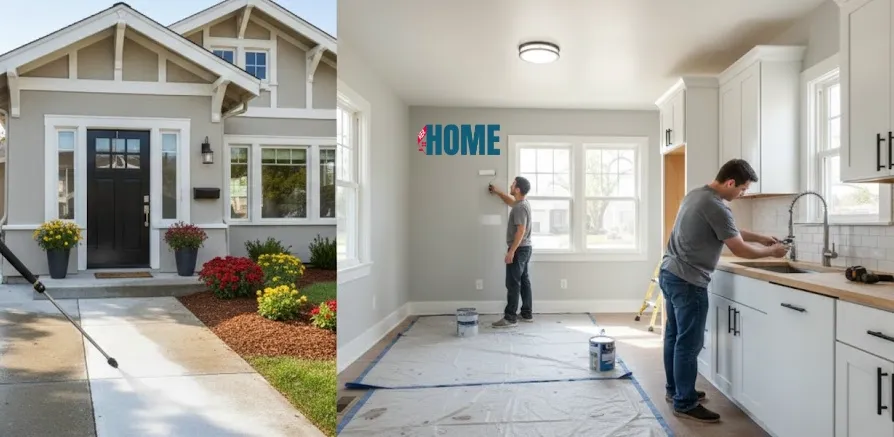
Those home renovation shows have convinced half the population that you need $80,000 and a demolition crew to get your house ready for sale. You don’t. Most buyers make up their minds in the first few minutes anyway, and what catches their eye isn’t imported marble countertops. It’s whether the place looks clean, bright, and like someone actually cared about it.
The trick is knowing where your money does the most work. Paint a wall? Good return. Rip out a functional kitchen? Probably not getting that back at closing.
Here’s what actually moves the needle without draining your savings account.
Total Cost
| Project | Estimated Cost | Notes |
|---|---|---|
| Pressure washer rental | $40–$50/day | Black doors are associated with ~$6,449 higher offers |
| Front door paint | Under $50 | The highest ROI activity you can do |
| Mulch and annual flowers | Under $100 | Instant curb appeal boost |
| Interior paint (DIY, main rooms) | $200–$500 | 107% average ROI |
| Cabinet painting supplies | $200–$600 | Transforms dated kitchens |
| New cabinet hardware | $2–$5 per piece | Small change, noticeable impact |
| Laminate countertop refinishing kit | $100–$200 | Fraction of replacement cost |
| Peel-and-stick backsplash | Under $50/sq ft | No professional install needed |
| Bathroom fixture set | $20–$50 | Faucets, towel bars, toilet paper holder |
| Deep cleaning supplies | $30–$50 | Highest ROI activity you can do |
| Total (if doing most projects) | $700–$1,600 | Varies based on home size and choices |
Outside Stuff First
Buyers judge your house before they step inside. That judgment starts at the curb, and it sets the tone for everything after.
Rent a pressure washer for a day. Forty to fifty bucks gets you a machine that’ll strip years of grime off your siding, driveway, and walkways. The difference is dramatic, especially if it’s been a while since anyone paid attention to the exterior. Do the windows too while you’re at it—clean glass lets in more light and signals that the whole property has been maintained, not just the parts people notice first.
Your front door matters more than you’d think. A Zillow study from 2022 found homes with black front doors sold for roughly $6,449 more than expected. That’s a wild return on a can of paint that costs less than fifty dollars. If the door hardware looks tired—scratched finish, dated brass—swap it out. Buyers won’t consciously think “nice door handle,” but the overall impression shifts.
Landscaping doesn’t require a professional. Fresh mulch in the beds, a few colorful annuals near the entrance, trimmed bushes. You’re looking at under a hundred dollars total. Sometimes the biggest improvement is removal—pull out dead plants, cut back anything overgrown that’s blocking windows or making the front look neglected.
Make It Feel Bigger Inside
Light and space sell houses. People walk in and either feel like there’s room to breathe or feel cramped and dim. You want the first reaction.
Paint is the cheapest way to transform a room. The 2024 Cost vs. Value Report and NAR data both show interior painting delivering around 107% ROI—one of the few home improvements where you consistently get back more than you spend. Skip the colors you love and go neutral. Agreeable Gray, Revere Pewter, those off-whites that photograph well and don’t make buyers mentally calculate how much repainting they’ll need to do. If the budget’s tight, prioritize the living room, kitchen, and main bedroom—the spaces where people linger during showings.
Lighting makes rooms feel larger without touching a wall. Replace outdated fixtures with modern LEDs from any home improvement store. Most run under twenty dollars each. Add floor lamps or table lamps to dark corners. And when showings happen, every light in the house should be on. Every curtain is open. Bright homes feel bigger. Dim homes feel like they’re hiding something.
Kitchen Fixes That Won’t Bankrupt You
Everyone says kitchens sell houses, which is true, but that doesn’t mean you need new appliances and granite countertops. Most dated kitchens just need cosmetic help.
Cabinets in decent structural shape can be painted. Two hundred to six hundred dollars in supplies transforms dark oak from 1992 into something that looks current. White or light gray cabinets photograph well and make kitchens feel cleaner. While the paint dries, order new hardware. Two to five dollars per pull or handle. It’s a small expense that makes cabinets look more expensive than they are.
Countertops don’t need replacing unless they’re truly destroyed. Clean them properly first—you’d be surprised what scrubbing actually accomplishes. If the laminate is chipped or stained beyond saving, refinishing kits run between a hundred and two hundred dollars. Not as good as new quartz, but dramatically better than what’s there now.
Other times, homeowners confront even tougher decisions about whether to sell at all. If there is financial pressure — the threat of foreclosure, bankruptcy or just a need to sell quickly — companies like Cream City Home Buyers can work against sellers’ situations that don’t fit with fix-up-and-list. Chapter 7 and Chapter 13 bankruptcy sales are subject to court approval and trustee oversight, but cash buyers who know the process can often get the deal worked out more quickly than they could through traditional channels.
Backsplashes are another area where peel-and-stick products have gotten surprisingly good. Under fifty dollars per square foot, no tile saw required, and the visual impact reads as “upgraded kitchen” in listing photos.
Bathroom Details That Buyers Notice
Bathrooms rank just behind kitchens for buyer attention, but the fixes here tend to be smaller and cheaper.
Age shows more quickly in grout than in nearly anything else. You do have options if yours has turned gray or brown: A specialized grout cleaner and a brush are virtually free; D.I.Y. remedies with baking soda and vinegar can address lighter stains; and a “grout pen” is a quick fix for heavily discolored lines. White grout just makes the whole bathroom feel cleaner.
Fixtures date a space fast. Change out your faucets, towel bars, and toilet paper holder if they’re still rocking the super shiny 1997 brass. Full sets cost between twenty and fifty dollars at home-improvement centers, and even novice do-it-yourselfers can usually lay them in place. Select one finish — brushed nickel, matte black, chrome — and use it in every bathroom in the house.
The vanity might be ugly, but if it functions, painting it and changing the hardware often gets you 80% of the way to looking updated. New toilet seats cost almost nothing and take five minutes to install. Fresh shower curtains. These are small things, but they accumulate into an overall impression.
The Free Stuff That Matters Most
Here’s the part people skip because it doesn’t feel like “home improvement.” Deep cleaning your house—actually deep cleaning it—probably has a better return than anything else on this list.
Buyers equate cleanliness with maintenance. A clean house means the furnace has been serviced, the roof doesn’t leak, and the plumbing functions. A dirty house has people wondering what else hasn’t been taken care of.
Reach into the spots you don’t hit during routine cleaning: baseboards, ceiling fan blades, light switches, door frames. That includes inside of closets and cabinets, because buyers look everywhere. Window tracks. Behind toilets. Under sinks. If you can’t dedicate multiple days to this, hiring professional cleaners before listing is money well spent.
Decluttering costs nothing but time, and the NAR 2025 Profile of Home Staging found 91% of agents recommend it before listing. Remove excess furniture so rooms feel larger. Pack away personal photos and collections—buyers need to imagine their own stuff in the space, not wonder about your family vacation. Organize closets to show storage capacity rather than how many shoes you own.
Fix the small stuff, too. Leaky faucets, holes in walls, cracked outlet covers, loose doorknobs, broken trim pieces. None of these repairs cost much, but left undone, they give buyers ammunition for lower offers and make the whole house feel like a project rather than a home.
Where Your Money Goes Furthest
If you’ve got a limited budget and have to prioritize, here’s roughly how the returns stack up based on industry data:
Steel entry doors show the highest documented ROI—around 188% according to the 2024 Cost vs. Value Report. Interior paint runs about 107% return. A front door paint job is basically free money if you’re willing to spend an afternoon on it.
The goal isn’t creating a house that belongs in a magazine. It’s presenting a place that looks maintained, move-in ready, and worth what you’re asking. Buyers these days aren’t stupid—they know the difference between genuine care and last-minute staging panic. Put your effort into the basics: clean, bright, functional, neutral. Everything else is secondary.
 Decor & Improvement Accessories