

Home & Decor Blogs: DIY, Interior Design & Lifestyle Ideas
Why Homeowners Choose Direct Home Sales Over Traditional Listings

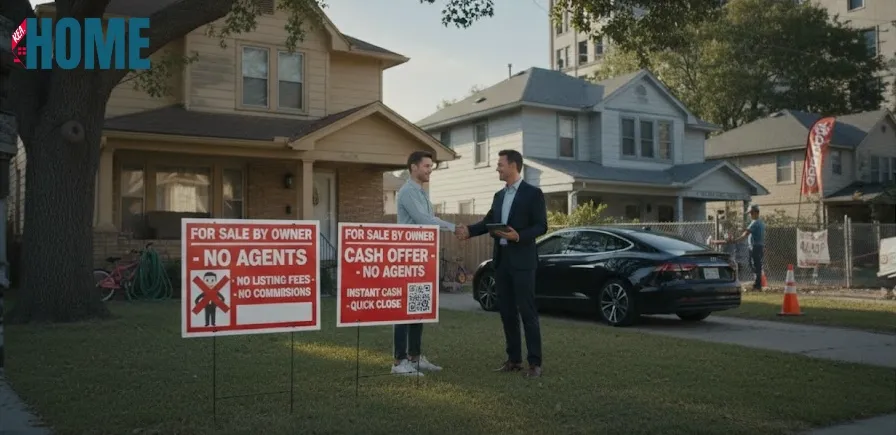
You know how it’s supposed to work. Call an agent, stick a sign in the yard, keep your house spotless for months, and hope someone makes an offer that actually sticks. Millions of people have done it this way. Still do.
But here’s what’s been happening lately: a growing number of homeowners are walking away from that whole process. They’re selling directly to investors or buying companies instead. No listings. No open houses. No waiting around for buyers who may or may not get their financing approved.
Why? Because for a lot of people, the traditional way just doesn’t fit their lives anymore.
The Waiting Game Nobody Warns You About
Selling a house takes longer than most people expect. Current national data puts the average somewhere between 47 and 62 days from listing to closing. That’s assuming everything goes smoothly – your first buyer doesn’t back out, the inspection doesn’t scare anyone off, the appraisal comes in where it needs to.
That’s two months minimum where your life is basically on hold.
Every showing means scrambling to clean, hiding the dishes, getting the kids and the dog out of the house. Open houses eat your weekends. And the whole time you’re paying the mortgage, the utilities, the insurance, the property taxes on a place you’re trying to leave.
Direct sales? Different story. Cash buyers can close in 7 to 10 days. Sometimes faster. No staging, no showings, no living in a museum version of your own home for weeks on end.
What That Sale Price Actually Means
Traditional sales usually get a higher number on paper. That part’s true. But that number isn’t what ends up in your pocket.
Agent commissions run about 5.5 to 6 percent nationally. On a $350,000 house, that’s nearly $20,000 gone before you see a dime. Then add closing costs – title fees, escrow, transfer taxes – typically another 2 to 4 percent. Now you’re looking at $27,000 to $35,000 in transaction costs alone.
And that’s still assuming everything closes on schedule. Every extra month your house sits on the market means another mortgage payment, another property tax installment, another round of utility bills.
| Traditional Sale | Direct Cash Sale | |
|---|---|---|
| Timeline | 47-62 days average | 7-10 days typical |
| Agent commissions | 5.5-6% (~$19,000 on $350k) | $0 |
| Closing costs | 2-4% (~$7,000-14,000) | Usually minimal or covered |
| Repairs before sale | Often required | None – sold as-is |
| Showings/open houses | Multiple over weeks | One walkthrough |
| Deal fall-through risk | ~25-30% of transactions | Rare with verified cash buyers |
The math isn’t always what it looks like at first glance.
When Your House Isn’t “Market Ready”
Real estate agents have a way of walking through your place and handing you a list. Fresh paint. New fixtures. Fix that deck. Replace the carpet. The message underneath: your house isn’t good enough yet.
Sometimes those repairs make sense. Sometimes they’d cost more than you’d ever get back. And sometimes you just don’t have the cash sitting around to spend $15,000 on updates with no guarantee of return.
This is where direct sales actually shine for a lot of people. Working with trusted cash buyers means selling in whatever condition your house is in right now. Peeling paint, outdated kitchen, roof that needs work – doesn’t matter. They factor repairs into their offer and handle everything after closing.
Inherited a property that’s been sitting empty? Rental unit with tenant damage? House where you’ve been putting off maintenance for years because life got in the way? These are exactly the situations where as-is sales make the most sense.
Deals That Fall Apart
Here’s something that doesn’t get talked about enough: roughly 25 to 30 percent of accepted offers never actually close.
Think about that. You accept an offer, start planning your move, maybe put a deposit on your next place. Then, three weeks later, you get a call. Buyer’s financing fell through. Or the inspection spooked them. Or the appraisal came in low, and they can’t cover the gap. Or they just changed their mind and used some contingency clause to walk away.
Now you’re back at zero. Weeks wasted. Carrying costs piling up. And you have to start the whole process over again.
Cash buyers eliminate most of these failure points. No financing contingency because there’s no loan involved. No appraisal requirement. The inspection is for their information, not a negotiation tool to back out or squeeze you for concessions.
When a cash buyer says they’re closing, they close.
Cutting Through the Complexity
Traditional real estate transactions involve a surprising number of people. Your agent. The buyer’s agent. Inspectors. Appraisers. Contractors if repairs come up. Title company. Closing attorney. Each one adds another layer of coordination, another schedule to work around, another potential delay.
The paperwork alone can feel like a part-time job. Purchase agreements, inspection reports, repair addenda, appraisal reviews, disclosure forms, and closing documents. Every stage brings new signatures and new opportunities for something to go sideways.
Direct sales cut most of this out. One buyer. One negotiation. Simplified paperwork because there are fewer parties and fewer contingencies to document. The whole thing moves faster because there’s less machinery involved.
Figuring Out What Actually Matters to You
Neither approach is universally better. They serve different situations.
Traditional listings work well when your house is in solid shape, you’ve got a few months to spare, and squeezing out the highest possible price matters more than anything else.
Direct sales make sense when you need speed. When certainty matters more than maximizing every dollar. When your property isn’t in condition to compete on the open market. When you just want the whole thing done without the circus that comes with traditional selling.
The point is you have options. Knowing what those options actually look like – the real timelines, the real costs, the real risks – lets you pick the path that fits your situation instead of defaulting to the familiar one because nobody told you there was another way.
 Decor & Improvement Accessories