

Home & Decor Blogs: DIY, Interior Design & Lifestyle Ideas
Blog Home Ideas By TheHomeTrotters Inspiration

TheHomeTrotters has spent years cutting through the noise of aspirational home content the kind that looks stunning on Pinterest but costs $40,000 to replicate. What you’ll find here instead: practical, budget-conscious design ideas that real homeowners have actually pulled off, curated and tested through the lens of TheHomeTrotter’s editorial process.
No mood boards that exist only in theory. Just what works.
The Design Trends Actually Worth Paying Attention to Right Now
Home aesthetics shifted hard in the last few years. The cold, stark-white minimalism that dominated the 2010s? Largely gone. What replaced it is warmer, messier, more personal and honestly, easier to live in.
Designers have started calling it “intentional clutter,” a term that sounds contradictory until you see it done right. It’s the difference between a shelf that looks abandoned and one that tells you something about the person who lives there. The New York Times covered this shift in depth, noting that maximalism’s return isn’t about excess it’s about meaning.
TheHomeTrotters maps this into four trends worth actually acting on:
- Earthy, warm palettes — terracotta, forest green, deep burgundy replacing cool grays. Low cost to implement; a single accent wall changes a room.
- Curved furniture — sofas and tables with organic silhouettes that soften rigid spaces. Pricier, but secondhand finds are everywhere right now.
- Natural materials — rattan, stone, untreated wood. These age well, which matters if you’re thinking long-term.
- Biophilic elements — plants, natural light, anything that connects the interior to the outside. Research from Harvard’s Center for Health and the Global Environment links biophilic design to measurable improvements in wellbeing and productivity at home.
One thing TheHomeTrotters is clear about: chasing all four at once is how you end up with a chaotic, half-finished space. Pick one. Do it well. Build from there.
| Trend | Best Room | Rough Cost to Start |
| Earthy tones | Living room, bedroom | $30–$80 (paint) |
| Curved furniture | Living room | $200+ (or thrift) |
| Natural materials | Kitchen, bathroom | $50–$150 |
| Biophilic design | Any room | $15–$40 (plants) |
Room-by-Room: Where to Start (and What’s Actually Worth Your Money)
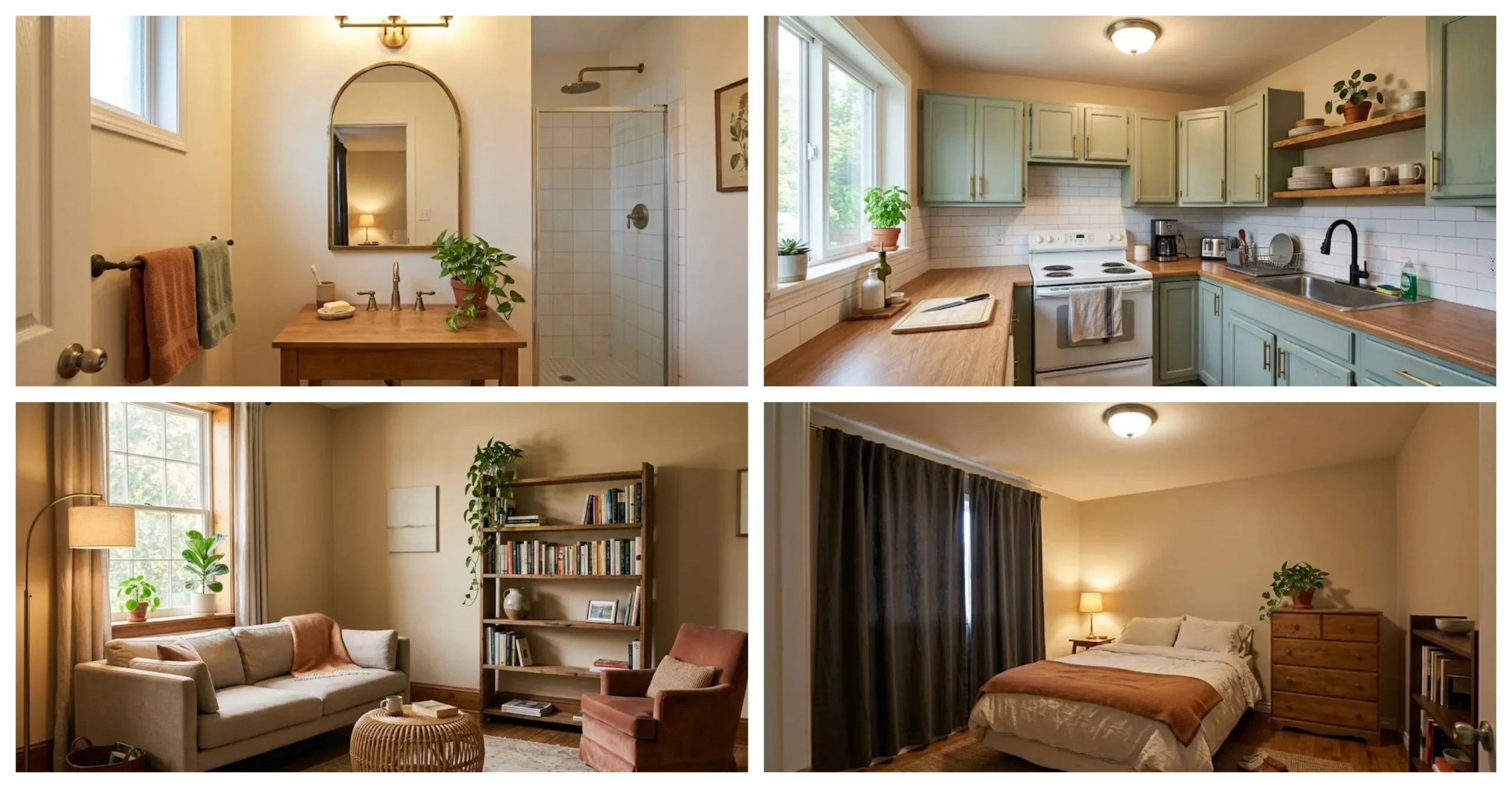
Here’s the honest version nobody tells you not every room deserves equal attention. Some spaces will change how your entire home feels with one decent update. Others will swallow your budget and barely register. TheHomeTrotters consistently steers people toward high-impact rooms first and the data backs that instinct.
Zillow’s research on home value found kitchens and bathrooms return the most value per dollar spent not just financially, but in daily quality of life. Start there. Everything else is secondary.
Living Room
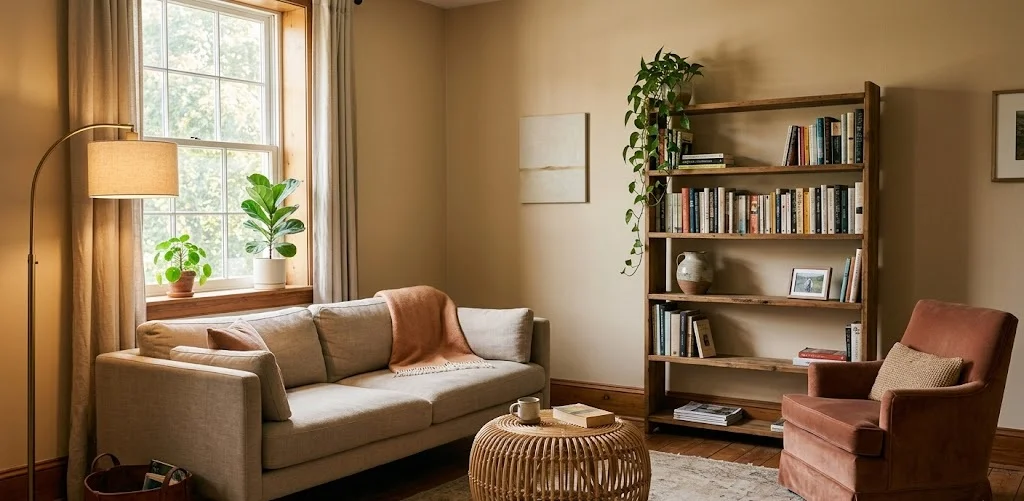
The living room is where most people want to start because it’s the most visible. Fair enough. But it’s also where the most money gets wasted on furniture that doesn’t fit or accent pieces that clutter without adding anything.
TheHomeTrotter’s approach here is spatial before aesthetic. Meaning before you buy anything, rearrange what you have. Pull seating away from walls. Create a rough conversation circle. Layer your lighting (overhead alone is always flat and uninviting). These cost nothing and typically reveal that the room needed editing, not additions.
When you are ready to spend, the highest-leverage changes:
- A floor lamp in a dark corner — transforms the mood of a room for under $60.
- Bookshelves styled with negative space — books facing outward, a plant, one or two objects. Not stuffed full.
- One curved accent piece — a round ottoman, an arched mirror. Softens a boxy room immediately.
Kitchen
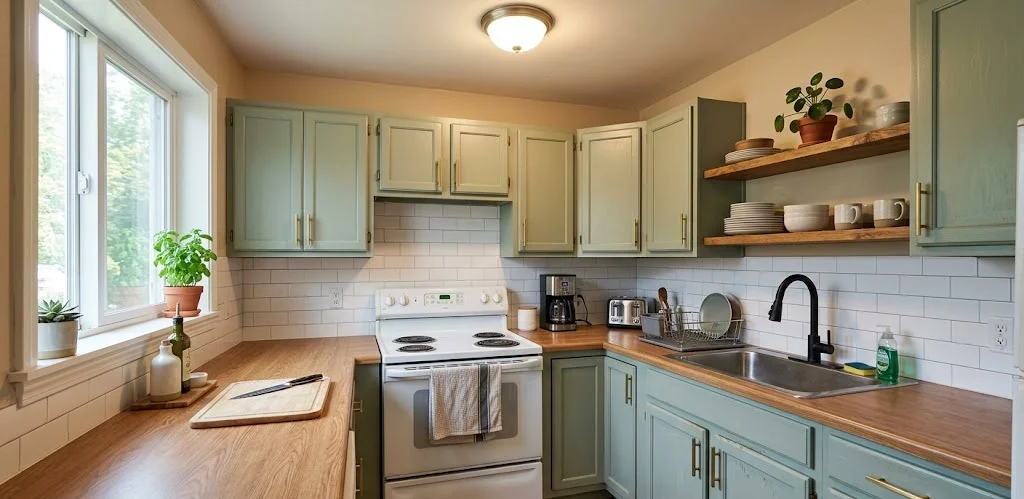
Full kitchen gut jobs average $26,000–$82,000 according to HomeAdvisor. Most people don’t need that. What they need is cabinet hardware from this decade and lighting that isn’t from 2003.
TheHomeTrotters has documented dozens of kitchen refreshes that cost under $300 total and read as near-complete renovations in photos. The sequence that works:
- Swap cabinet hardware first — $30 to $80, one afternoon, immediate visual upgrade.
- Paint or re-face cabinet doors — more commitment, but transformative.
- Add a peel-and-stick backsplash — no contractor, no mess, reversible.
- Replace the faucet — genuinely underrated update. A quality faucet in brushed brass or matte black shifts the whole kitchen’s personality.
| Kitchen Update | Cost | Time | Skill Level |
| Cabinet hardware | $30–$80 | 1–2 hrs | Beginner |
| Peel-and-stick backsplash | $50–$150 | 3–4 hrs | Beginner |
| Cabinet painting | $100–$300 | 1–2 weekends | Intermediate |
| Faucet replacement | $80–$250 | 30–60 mins | Beginner |
Bedroom
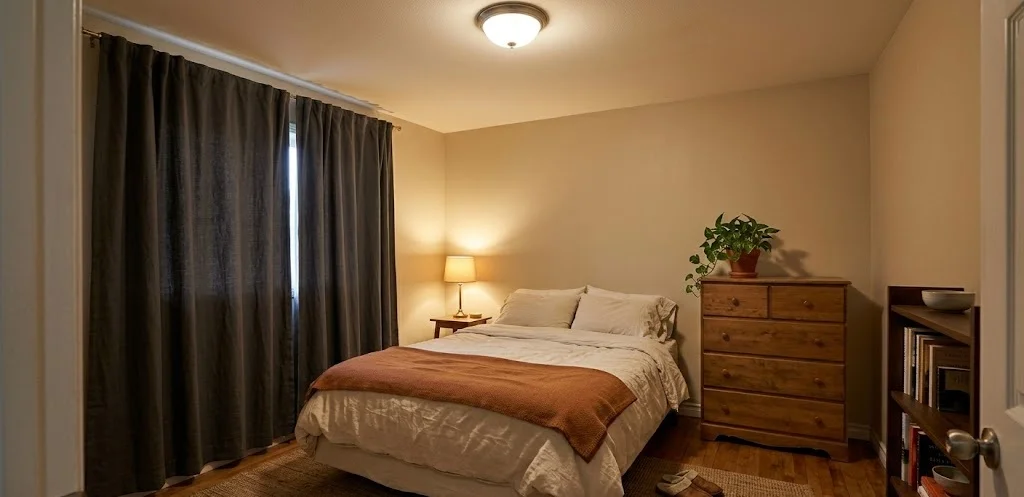
Bedrooms get neglected because guests don’t see them. That’s exactly backwards thinking. You spend roughly a third of your life in that room the CDC links sleep quality directly to environmental factors including light exposure and temperature regulation.
TheHomeTrotters pushes hard on two things here that make an outsized difference: blackout curtains and dimmer switches. Combined cost under $100. Combined impact on sleep quality significant. Everything else (the aesthetic layer bedding, plants, a reading lamp) builds on top of that functional foundation.
What actually matters, in order:
- Blackout curtains — non-negotiable if you have street light or early sunrise.
- Dimmer switch on overhead lighting — $15 to install, changes the entire evening atmosphere.
- Natural fiber bedding — Cotton and linen breathe better than synthetic blends, according to the Sleep Foundation.
- One plant — pothos or snake plant, low maintenance, genuinely improves air quality per NASA’s Clean Air Study.
Bathroom
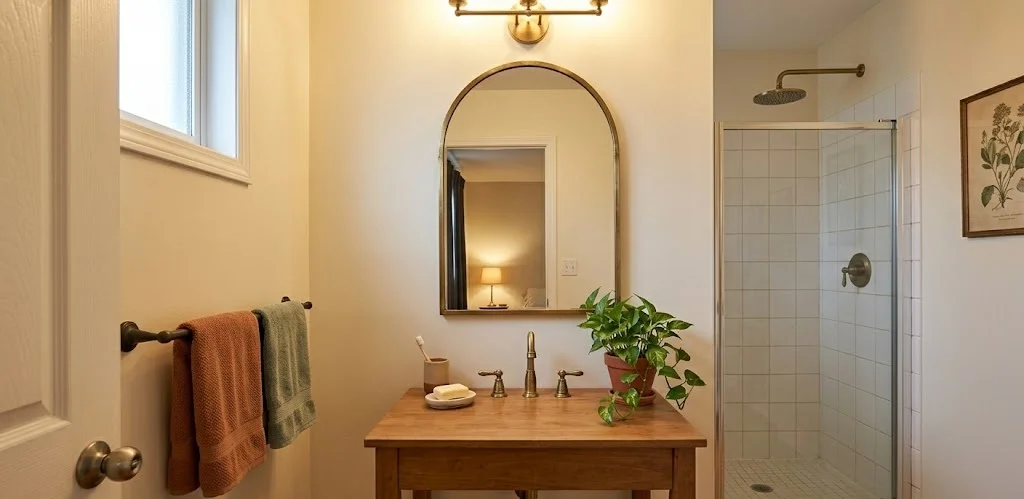
Bathrooms are where budget renovations quietly punch above their weight. The room is small, which means a $40 change covers more visual ground than the same $40 spent anywhere else in the house.
TheHomeTrotters has tracked this consistently: bathroom refreshes under $200 photograph almost identically to ones that cost $2,000. The difference is almost always in the details people overlook mismatched towels, builder-grade mirrors that were never replaced, lighting that makes everyone look slightly unwell.
Fix those first. Everything else is optional.
Three changes that genuinely shift a bathroom’s feel:
- A statement mirror — the builder rectangle that came with your home is costing you more aesthetically than you realize. Arch mirrors, vintage frames, oversized round mirrors — all available secondhand for $30 to $80.
- Coordinated towels in one color family — sounds trivial. Isn’t. A bathroom with four different towel colors reads as chaotic regardless of how clean it is.
- A humidity-tolerant plant — pothos, ferns or peace lilies thrive in bathrooms and add life to what’s typically the most sterile room in the house.
For anyone willing to spend a bit more, a rainfall showerhead sits around $40 to $90 and installs in under an hour. According to Consumer Reports, it’s one of the highest-satisfaction bathroom upgrades relative to cost. TheHomeTrotters recommends pairing it with dimmer lighting that combination alone creates a genuinely spa-adjacent experience without touching a single tile.
Sustainable Design: The Angle TheHomeTrotters Takes Seriously
This isn’t a greenwashing section. Sustainable home design, done practically, saves money, sometimes immediately, sometimes over a few years. TheHomeTrotters integrates eco-conscious thinking not as a moral stance but as a design filter that tends to produce better, longer-lasting results.
The EPA’s Sustainable Materials Management program estimates that furniture and furnishings account for a significant share of household waste. Buying secondhand isn’t just cheaper, it’s structurally sounder. Older furniture was often built with denser wood and better joinery than mass-produced equivalents at the same price point today.
What TheHomeTrotters actually recommends, practically:
Buy used before buying new. Facebook Marketplace, estate sales and thrift stores are where the interesting pieces live anyway. A mass-produced bookshelf from a big-box retailer and a solid oak vintage one can cost the same the vintage piece will outlast it by decades. Choosing handcrafted, heirloom-quality solid wood furniture ensures you are investing in durable pieces that maintain their beauty and structural integrity for generations.
LED lighting is non-negotiable at this point. The Department of Energy confirms LEDs use at least 75% less energy than incandescent bulbs and last 25 times longer. The upfront cost difference is negligible now.
Low-VOC paints matter more than most people realize. Standard paints off-gas volatile organic compounds for months after application. The EPA flags indoor VOC levels as potentially two to five times higher than outdoor air. Low-VOC options are now available at the same price point there’s no real tradeoff anymore.
| Sustainable Swap | Upfront Cost | Long-Term Saving | Design Impact |
| LED lighting | Low | High | Neutral |
| Secondhand furniture | Low–Medium | High | High |
| Low-VOC paint | Same as standard | Health benefit | Same |
| Smart thermostat | Medium | Medium | Low |
| Reclaimed wood accents | Medium | Medium | High |
Starting Without Overwhelm: The TheHomeTrotters Approach
Most home transformation projects stall at the planning stage. Not because people lack ideas, the internet has buried everyone in ideas but because the gap between “inspiration” and “first action” feels too wide.
TheHomeTrotter’s editorial position on this is blunt: start with the thing that bothers you most every single day. Not the most photogenic project. Not the one with the best before/after potential. The one you notice every morning that quietly degrades your mood.
For some people that’s a dark entryway. For others it’s a kitchen that hasn’t been touched since 2009. Start there. Finish it completely before touching anything else. Momentum is the actual resource you’re managing not budget, not time.
A realistic starting sequence:
- Week 1–2: Declutter only. Remove everything that doesn’t belong in each room. Cost: zero. Impact: immediate and significant.
- Week 3–4: Paint one room or one wall. This single step accounts for more dramatic before/after results than almost any other change at the same price.
- Month 2: Lighting audit. Replace anything that’s functionally wrong too dim, too harsh, mismatched. Add one lamp somewhere dark.
- Month 3 onward: Accessories, plants, finishing details. This layer should come last, not first.
The instinct to buy décor before fixing the fundamentals is where most home projects go sideways. TheHomeTrotters has documented this pattern enough times that it’s now a standing editorial note across the platform.
What Makes TheHomeTrotters Different From Generic Design Blogs
Most home design content online is either pulled from luxury portfolios or recycled from the same five sources. TheHomeTrotters built it’s reputation doing something narrower and harder. Every idea on the platform comes with three things most blogs skip: a rough cost estimate, a realistic time commitment and an honest skill rating.
That specificity matters. According to a Houzz renovation trends report, homeowners consistently overestimate their budgets and underestimate project timelines, a gap that TheHomeTrotters content is specifically designed to close.
The platform also leans heavily on sustainable design principles, which the EPA defines as building and decorating in ways that reduce waste and environmental impact without sacrificing livability. That’s not a trend angle for TheHomeTrotters, it’s baked into how they evaluate every project recommendation.
 Decor & Improvement Accessories