

Home & Decor Blogs: DIY, Interior Design & Lifestyle Ideas
6 Steps to Planning a Kitchen Remodel Without Wrecking Your Budget

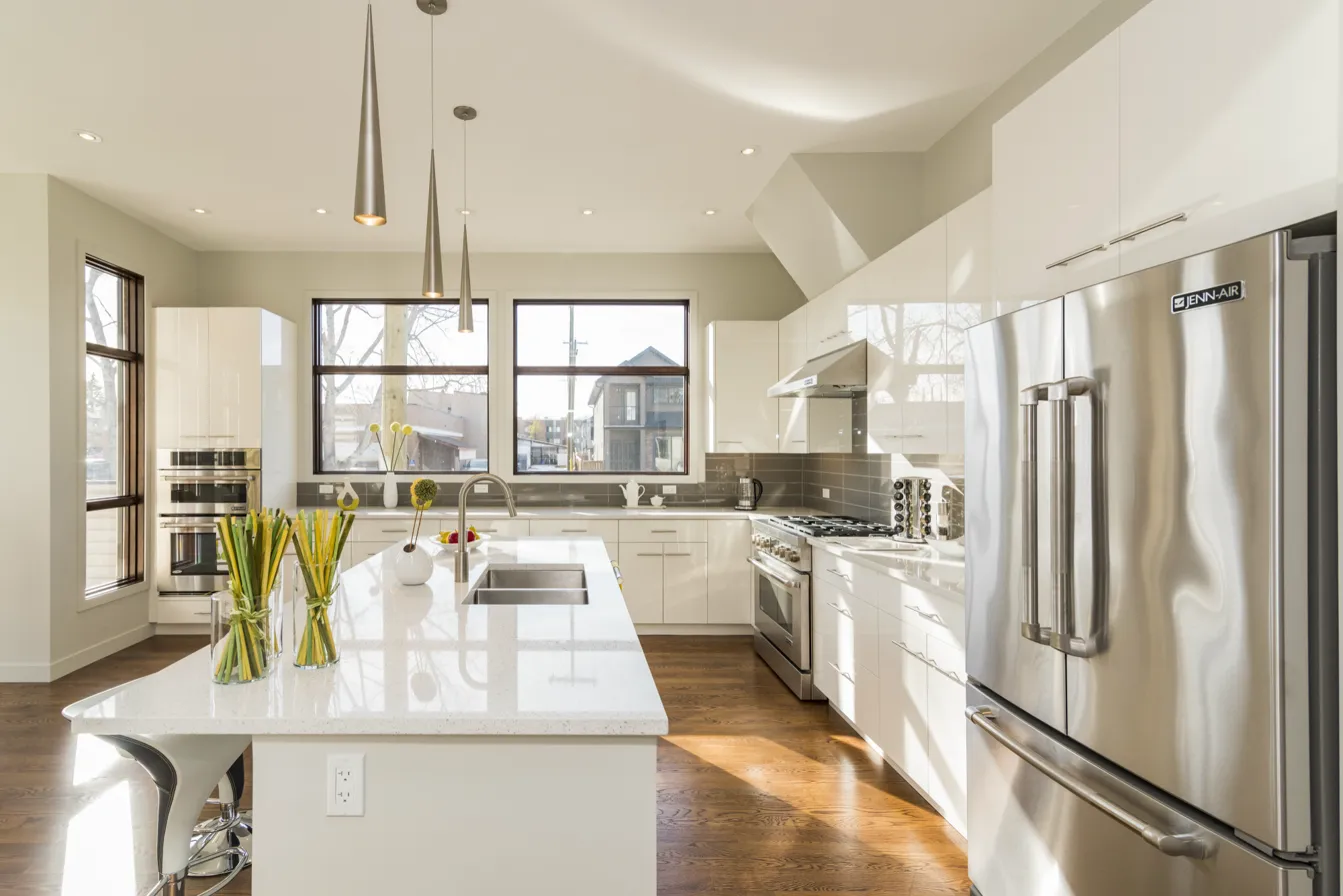
The 2024 U.S. Houzz Kitchen Trends Study put the median cost of a major kitchen remodel at $55,000 — up 22% since 2022. Minor remodels came in at a $18,000 median, up 19% over the same window. Those numbers keep climbing, and most people don’t find out where their budget actually went until they’re already three weeks into demolition, staring at a plumbing problem behind the wall they didn’t know existed.
Cabinets take about 30% to 40% of a typical remodel budget on their own. Add countertops, appliances, and labour to that, and most of the money is gone before you’ve picked a backsplash tile. The gap between what people plan to spend and what they end up spending is almost always a planning failure, not a spending one.
If you’re browsing Kitchen remodeling ideas and getting excited about the possibilities, good — but read this first. The exciting part goes better when the boring part is already handled.
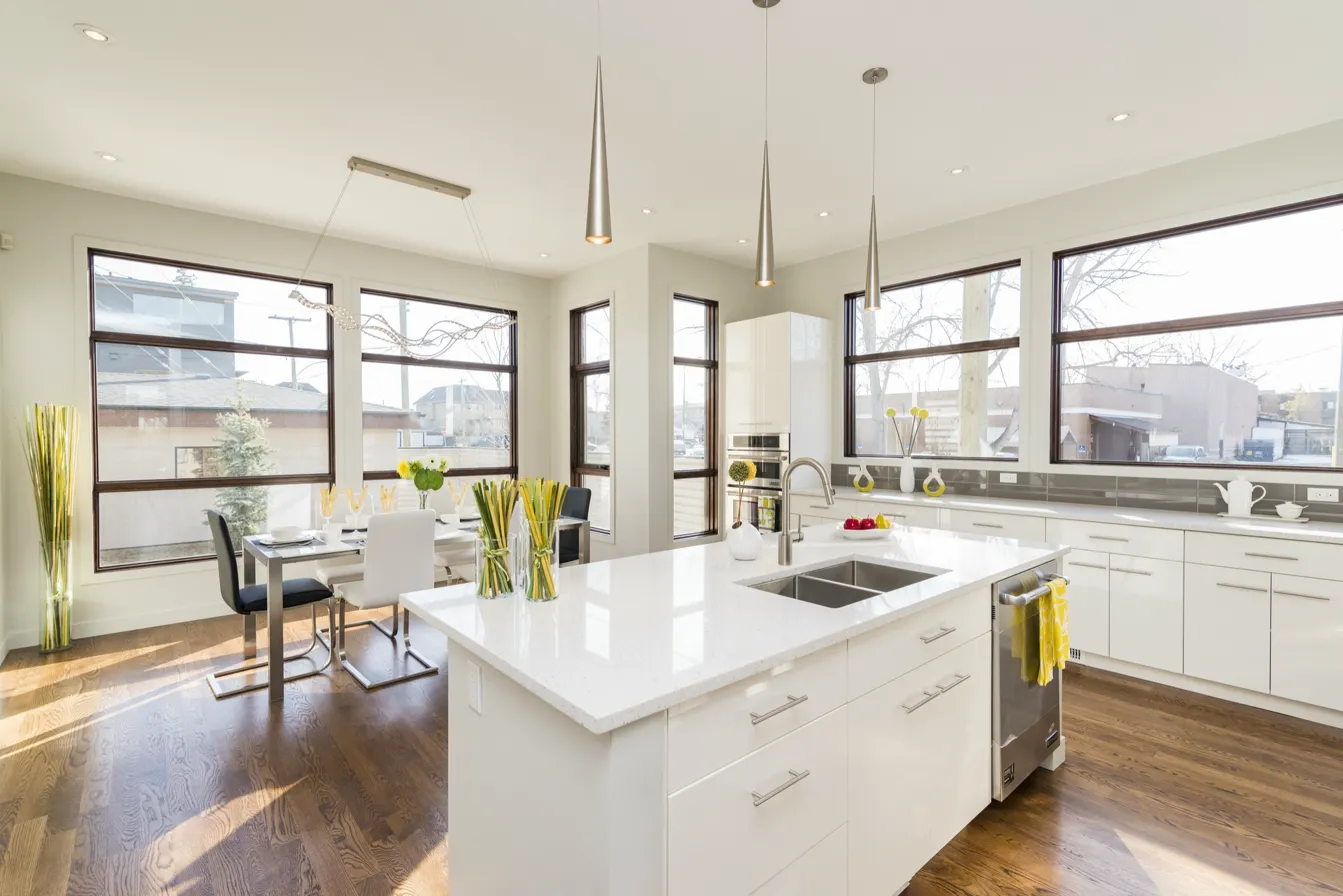
1. What’s Wrong With Your Kitchen
Not what Pinterest says you should want. What’s genuinely broken or not working?
A kitchen where you can’t open the fridge without blocking the stove has a layout problem. Warped cabinet doors and cracked laminate from 2004 is a materials problem. A kitchen that functions fine but feels dark and cramped — that’s lighting and paint, not a $55,000 gut job.
These are wildly different budgets. Mixing them up is how an $18,000 project becomes a $55,000 one halfway through. Write down the three or four things that genuinely bother you about your kitchen. Rank them. That list becomes the filter you run every decision through for the rest of the project, especially the moment someone at a showroom starts suggesting upgrades to things that weren’t on it.
2. Budget First, Materials Second
Do this in the wrong order, and you’re finished before you start. Walk into a countertop showroom without a number in your head and your sense of what’s reasonable recalibrates within fifteen minutes. A $3,000 countertop suddenly seems modest next to the $7,000 slab the salesperson just showed you. Happens to everyone.
Here’s what things actually cost in 2025:
| What | How Much | Where This Comes From |
|---|---|---|
| Cabinets | $3,000 – $25,000 | Seanote Construction |
| Countertops | $1,800 – $4,400 (premium materials push past $10,000) | Angi |
| Appliances | $4,000 – $10,000 | Kris Konstruction |
| Flooring | $1,000 – $5,000 | Angi |
| Backsplash | $500 – $1,500 | Angi |
| Lighting | $1,000 – $3,000 | Kris Konstruction |
Industry guidance suggests allocating 5% to 15% of your home’s value toward a kitchen remodel. Kris Konstruction’s example: a $400,000 house supports a $20,000 to $60,000 kitchen investment.
Set aside 10–15% of your total budget as contingency. Outdated wiring behind the wall. Water damage under the subfloor. Plumbing that doesn’t meet current code. These aren’t hypothetical — they’re what contractors find in kitchens that haven’t been opened up in twenty years. The contingency fund exists so that discovery doesn’t derail the whole project.
3. Getting the Right Contractor
Angi’s 2026 data puts labour at roughly $2,500 for every $10,000 spent on a remodel. Seanote Construction estimates labour at 30% to 40% of the total project cost. Contractor hourly rates for cabinet and countertop installation range from $50 to $250. That spread is huge, which is why getting three bids matters — not to find the cheapest option but to understand what each contractor is actually including in their number.
A bid that just says “kitchen remodel — $35,000” tells you nothing. What you need is an itemized breakdown: what’s covered, what’s not, when payments are due, and what happens when the scope changes. Because scope changes. Every project.
Verify licensing and insurance. Ask for references from jobs finished recently, not years ago. If the project involves moving plumbing, adding electrical circuits, or altering the structure, permits are required. The contractor should handle permit applications — confirm this upfront. Unpermitted work creates problems at resale that cost far more than the permit fee would have.
4. Locking the Layout
Moving a sink after construction starts means rerouting plumbing. Relocating a stove means running gas lines. Adding an island after the floor is down means ripping it up. Layout changes mid-project are the most expensive mistakes in kitchen remodelling, and they’re entirely preventable by making these decisions before any work begins.
Galley layouts — two parallel walls — work well in narrow spaces with minimal wasted movement. L-shaped kitchens are versatile and fit most homes. U-shaped gives maximum storage and counter space, but can feel closed in if the room is small. Islands need enough floor area that they don’t cramp traffic flow — if people are squeezing past each other to reach the fridge, the island is too big for the space.
The old work triangle concept — sink, stove, fridge within easy reach — still holds as a starting point. Larger kitchens work better organized into zones: prep, cooking, and cleanup. Whatever approach you take, the layout has to be final before a single material order goes through. No exceptions.
5. Choosing Materials
Quartz countertops run $50 to $150 per square foot and require no sealing — stain-resistant, consistent colour across the slab. Granite sits at $40 to $100 per square foot and needs periodic sealing. Laminate starts at $10 to $40 per square foot. Each has tradeoffs, and the right answer depends on how the kitchen gets used, not which one photographs best.
Cabinets are where the money conversation gets real. Stock from big-box stores: $2,000 to $3,000 for a standard kitchen. Semi-custom: $4,000 to $6,000. Full custom starts at $6,000 and climbs past $15,000.
The gap between stock and semi-custom is usually worth paying for, with better hardware, more finish options, and slightly better materials for a reasonable price increase. The gap between semi-custom and full custom is a different question. If your kitchen has an unusual layout or you need specific dimensions that off-the-shelf options can’t accommodate, custom makes sense. If you’re paying the premium purely for aesthetic options that semi-custom already covers, that’s money better spent elsewhere in the project.
Flooring is the same conversation. Laminate and vinyl cost less than hardwood or stone tile but have improved dramatically in appearance. Hardwood looks beautiful in a kitchen, but shows water damage and scratches from daily use more than harder surfaces. Ceramic and porcelain tile are durable and water-resistant but cold underfoot. Pick based on how you actually live in the room, not how the sample looks in the store under showroom lighting.
6. The Timeline
Rushing doesn’t save money. It creates mistakes that cost more to fix later.
The sequence runs: design and planning first, then permits (timelines vary widely by location), then waiting on material deliveries (custom orders add weeks), then active construction. Each phase feeds the next. Skipping ahead — ordering cabinets before the layout is finalized, scheduling a plumber before permits are approved — creates conflicts that slow the project down rather than speeding it up.
Your kitchen is unusable during construction. A microwave, coffee maker, and mini-fridge set up in another room keeps you functional. Budget for eating differently during this period — the takeaway costs add up fast when you’ve got no working kitchen for weeks, and nobody accounts for that in the remodel budget.
Once demolition starts, the plan is the plan. Every change order adds cost and delays. The contractor has materials scheduled, subcontractors booked, and a sequence they’re working through. Deciding mid-project that you want the island two feet to the left or the sink on a different wall cascades through the entire schedule. All the decision-making belongs in steps one through five. After that, you’re executing, not rethinking.
 Decor & Improvement Accessories