

Home & Decor Blogs: DIY, Interior Design & Lifestyle Ideas
Office Moving Tips for a Smooth and Efficient Relocation

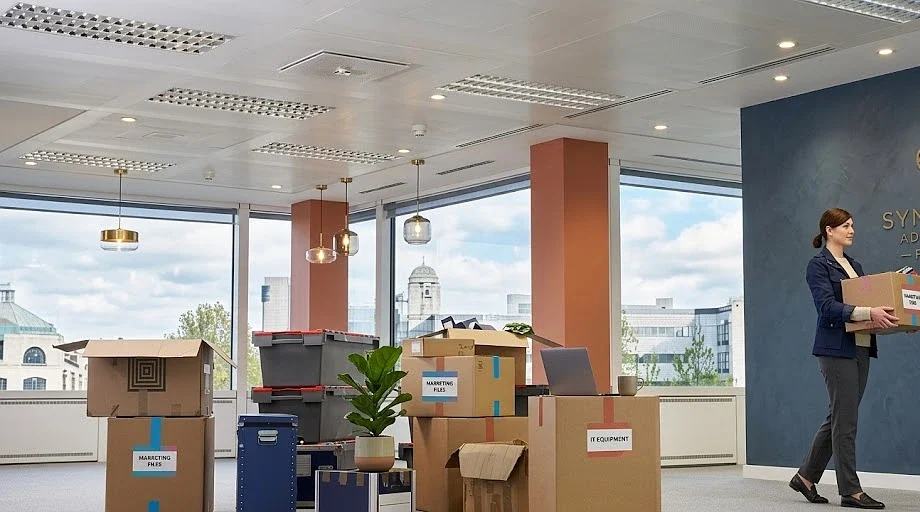
According to the American Moving & Storage Association, over 40% of office relocations experience significant delays or complications that cost companies an average of $50,000 in lost productivity per day. With commercial real estate markets shifting rapidly in 2024 and hybrid work models reshaping space requirements, more organizations are relocating than ever before. Yet despite the frequency of these moves, most companies approach them with minimal planning and unrealistic expectations about complexity.
The stakes couldn’t be higher. Beyond the immediate financial impact, a poorly executed office move can disrupt client relationships, damage expensive equipment, and create employee stress that persists long after boxes are unpacked. What separates successful relocations from disasters isn’t luck—it’s understanding that office moving requires strategic coordination, detailed planning, and recognition that this isn’t just about transporting furniture.
Here’s what industry research and moving experts reveal about executing relocations that actually work.
What Is Office Moving and Why Is It Important?
Office moving encompasses far more than simply transferring desks and computers from one location to another. It’s a complex logistical operation that involves coordinating multiple vendors, managing sensitive equipment and documents, maintaining business continuity, and ensuring legal compliance across jurisdictions. Unlike residential moves, office relocations must account for network infrastructure, specialized equipment, regulatory requirements, and minimal disruption to ongoing operations.
The complexity becomes apparent when you consider what’s actually involved: coordinating with building management at both locations, scheduling utility transfers, managing IT infrastructure migration, handling confidential documents under compliance requirements, and maintaining employee productivity throughout the transition. Each element carries potential for delays that cascade through the entire operation.
Business continuity represents perhaps the most critical aspect that organizations underestimate. A 2023 study by the Corporate Real Estate Network found that companies lose an average of 23% productivity during the week of their office move, with some experiencing disruptions lasting up to six weeks. The financial implications extend beyond immediate productivity losses to include client service interruptions, missed deadlines, and potential contract penalties.
The regulatory landscape adds another layer of complexity. Depending on your industry and location, office moves may require permits, special handling procedures for sensitive materials, and compliance with data protection regulations. Healthcare organizations, financial services firms, and government contractors face particularly stringent requirements that can extend timelines significantly if not planned properly.
What transforms a potentially disruptive event into a strategic opportunity is recognizing that successful office moving requires the same project management discipline as any major business initiative—with clear timelines, defined responsibilities, risk mitigation strategies, and success metrics.
How to Plan and Organize an Office Move Successfully

Creating an Effective Office Moving Timeline
Successful office relocations begin 12-16 weeks before moving day, not the typical 4-6 weeks most companies assume is sufficient. Industry data shows that moves planned with shorter timelines experience 67% more complications and cost overruns compared to those with adequate lead time.
Start by establishing your move date and working backward to identify critical milestones. Key timeline benchmarks include: lease negotiations and space planning (16 weeks out), vendor selection and contract negotiation (12 weeks out), IT infrastructure planning (10 weeks out), employee communication and department coordination (8 weeks out), and detailed packing preparation (4 weeks out).
The most critical early decision involves space planning and layout design. This isn’t about furniture arrangement—it’s about understanding power requirements, network infrastructure needs, storage capacity, and compliance requirements for your new space. Changes made during the final weeks before moving typically cost 3-5 times more than those planned early in the process.
Technology infrastructure deserves special attention in your timeline. Network setup, phone system migration, and server relocation often require vendor coordination that can’t be rushed. Plan for IT infrastructure to be operational at least one week before your official move date—this buffer allows time to address inevitable connectivity issues without impacting business operations.
Developing an Office Moving Checklist
An effective moving checklist functions as both planning tool and accountability system, but it must be comprehensive enough to capture the interdependencies between different tasks. The most common checklist mistake is treating items as independent tasks rather than recognizing how delays in one area impact others.
Your checklist should organize tasks by responsibility (facilities, IT, HR, individual employees) and timeline (16 weeks out, 12 weeks out, etc.). Critical categories include: administrative tasks (permits, insurance, vendor contracts), space preparation (utilities, security systems, space modifications), equipment and inventory (asset tagging, packing supplies, specialized moving requirements), technology migration (network setup, data backup, equipment testing), and employee coordination (communication, packing assignments, temporary workspace arrangements).
Document everything with photos and detailed inventory lists. This documentation serves multiple purposes: insurance claims if items are damaged, accountability for valuable equipment, and reference for setting up the new space efficiently. Include serial numbers for electronics, condition notes for furniture, and location assignments for the new office.
The checklist must also address less obvious requirements like updating business registrations, coordinating mail forwarding, scheduling elevator reservations at both locations, and arranging parking permits for moving trucks. These administrative details often become last-minute crises if not addressed early.
Coordinating Employee Roles and Communication
Clear communication represents the difference between a coordinated team effort and organizational chaos. Research from the International Association of Administrative Professionals indicates that office moves with structured employee communication experience 45% fewer delays and significantly higher employee satisfaction throughout the process.
Establish a communication hierarchy that designates department champions responsible for coordinating their teams’ moving activities. These champions serve as information conduits, ensuring that updates reach everyone while preventing the communication overload that occurs when moving coordinators try to manage individual employee questions.
Create detailed packing assignments that specify exactly what each employee should pack, when packing should occur, and what items should remain accessible until moving day. Employees consistently underestimate packing time requirements—budget at least two full days for each person to properly pack their workspace, with additional time for shared areas and storage spaces.
Address the emotional aspects of office moving through transparent communication about timelines, new space layouts, and post-move arrangements. Employee anxiety about workspace changes can significantly impact productivity and morale if not managed proactively. Provide opportunities for employees to visit the new space, understand their new work environment, and ask questions about the transition process.
What Are the Key Differences Between DIY and Professional Office Moves?
The decision between self-managed and professional office moving hinges on more than cost comparison—it involves risk assessment, resource availability, and realistic evaluation of internal capabilities. Companies that choose DIY approaches save an average of 30-40% on direct moving costs but experience 60% more delays and equipment damage, according to Commercial Moving Industry statistics.
DIY office moves make sense for smaller organizations (under 25 employees) with minimal specialized equipment, flexible timelines, and available internal resources. The approach works best when you have team members with project management experience, access to proper moving equipment, and the ability to dedicate significant staff time to moving activities without disrupting core business operations.
Professional moving services become essential when dealing with specialized equipment (servers, medical devices, laboratory instruments), strict timeline requirements, valuable artwork or furniture, or compliance regulations that require certified handling procedures. Working with an experienced NYC commercial office moving company is particularly important in dense urban environments where building access restrictions, elevator reservations, and permit requirements add layers of complexity that general movers aren’t equipped to navigate. The expertise extends beyond physical moving to include project management, risk mitigation, insurance coverage, and contingency planning that most organizations lack internally.
For small office moves without professional help, focus on meticulous planning and realistic timeline estimation. Rent appropriate moving equipment including furniture dollies, straps, and protective padding. Assign specific responsibilities to team members based on their physical capabilities and availability. Most importantly, plan for the move to take 50% longer than your initial estimate—small office moves consistently take more time than anticipated due to unexpected complications and the learning curve involved.
The middle-ground approach involves hiring professional movers for specialized items (IT equipment, heavy furniture, valuable pieces) while handling standard office supplies and personal items internally. This hybrid strategy balances cost control with risk management while leveraging professional expertise where it’s most needed.
What Are the Best Practices for Packing and Transporting Office Equipment?
How to Pack Fragile and Sensitive Office Items Safely
Electronics and sensitive equipment require specialized packing approaches that go far beyond wrapping items in bubble wrap. Industry best practices emphasize protecting against both physical damage and environmental factors like static electricity, temperature fluctuations, and moisture exposure.
For computer equipment, use anti-static packaging materials and ensure all devices are properly powered down and disconnected before packing. Remove batteries from devices to prevent corrosion during transport, and pack power cables separately to avoid tangling and damage. Monitors and screens require special attention—pack them in original boxes when available, or use appropriate-sized boxes with sufficient padding to prevent screen contact with box walls.
Office artwork, awards, and decorative items often represent significant value but receive inadequate protection during moves. Use picture boxes with corner protectors, wrap frames individually in protective material, and pack similar-sized items together to prevent shifting during transport. Glass items should be packed separately and clearly marked as fragile with detailed handling instructions.
Temperature-sensitive items like certain office plants, medications, or specialized materials require climate-controlled transport and careful timing. Plan to move these items separately from general office contents, ideally during moderate weather conditions when extreme temperatures won’t cause damage during loading and transport.
Furniture requires disassembly planning that considers both safe transport and efficient reassembly. Take photos before disassembly, label hardware in clearly marked bags taped to furniture pieces, and protect surfaces with moving blankets or padding. Heavy items like filing cabinets should be emptied completely—the additional weight of contents can damage both the furniture and create safety hazards during transport.
Handling Sensitive Documents and IT Infrastructure
Document security during office moves requires protocols that maintain confidentiality while ensuring accessibility. Sensitive documents should be packed in locked containers or banker’s boxes with detailed inventory lists and chain-of-custody documentation. Consider which documents require immediate access after the move and pack these separately in clearly labeled containers.
For organizations with compliance requirements (healthcare, financial services, legal firms), document handling must follow specific protocols that may require bonded moving services or special transportation arrangements. Consult with compliance officers early in the planning process to understand regulatory requirements that could impact moving procedures or timelines.
IT infrastructure migration represents one of the most complex aspects of office moving. Begin with complete data backups and verify backup integrity before any equipment is disconnected. Label all cables and connections with detailed diagrams showing how systems connect—this documentation becomes critical when rebuilding networks in the new location.
Server and network equipment should be transported by specialists familiar with proper handling procedures for sensitive electronic components. Plan for IT systems to be the last items packed and first items unpacked to minimize downtime. Consider whether cloud-based alternatives could eliminate some physical infrastructure requirements and simplify the moving process.
Coordinate with internet and phone service providers early to ensure connectivity is available when equipment arrives at the new location. Service installation often requires 2-4 weeks lead time, and delays in connectivity can extend the disruption period significantly beyond the physical moving timeline.
Managing Special Considerations During the Move
Office plants require specific preparation that many organizations overlook until moving day. Most professional moving companies won’t transport live plants due to liability concerns and potential pest issues. Plan to transport plants in personal vehicles or coordinate with employees who can care for office plants during the transition period.
Prepare plants by reducing watering frequency in the weeks before the move to prevent soil spillage and root damage. Large or valuable plants may require professional plant moving services—these specialists understand proper handling techniques and can provide climate-controlled transport when necessary.
Weather conditions significantly impact moving logistics and should influence your moving date selection when possible. Extreme temperatures, precipitation, and high winds create safety hazards and potential damage risks that extend beyond simple inconvenience. Monitor weather forecasts closely as moving day approaches and have contingency plans for severe weather conditions.
Storage requirements often arise during office moves when new space isn’t immediately available or requires renovation before occupancy. Secure climate-controlled storage prevents damage to sensitive items and provides flexibility in your moving timeline. Document all items placed in storage with detailed inventory lists and photographs to ensure nothing is overlooked during the transition period.
What Does Research and Expert Advice Reveal About Efficient Office Moves?
Research from the Corporate Real Estate Management Association reveals that companies implementing structured moving methodologies reduce relocation costs by an average of 25% and minimize disruption by up to 40% compared to organizations using ad-hoc approaches. The key differentiator isn’t spending more money—it’s applying systematic project management principles to moving logistics.
Stress management emerges as a critical factor that affects both timeline adherence and long-term employee satisfaction. A 2024 study published in the Journal of Workplace Psychology found that employees experiencing high stress during office relocations showed decreased productivity for up to three months post-move. Organizations that invested in proactive stress management—including clear communication, realistic timelines, and employee support—maintained productivity levels within two weeks of relocating.
Industry experts consistently emphasize the importance of contingency planning that goes beyond simple schedule buffers. Effective contingency plans address specific failure points: vendor no-shows, equipment damage, utility connection delays, weather disruptions, and permit complications. Each scenario requires predetermined response protocols that can be activated quickly without derailing the entire moving timeline.
Technology trends are reshaping office moving strategies as organizations embrace cloud infrastructure and flexible workspace models. The shift toward cloud-based systems reduces physical IT infrastructure requirements but creates new challenges around data migration, security protocols, and connectivity requirements. Companies moving in 2024 report that cloud preparation often requires more planning time than traditional server relocations, despite reducing physical moving requirements.
Risk mitigation strategies recommended by moving industry professionals include comprehensive insurance coverage that extends beyond standard moving protection, vendor vetting processes that verify licensing and insurance credentials, and backup vendor arrangements for critical services. The most successful relocations involve redundancy planning that ensures critical functions can continue even when primary plans encounter problems.
Expert recommendations consistently emphasize the value of pilot moves or phased relocations for larger organizations. Moving departments incrementally allows teams to refine procedures and address problems before they impact the entire organization. This approach requires more coordination but significantly reduces the risk of organization-wide disruption.
What Are Common Office Moving Challenges and How Can They Be Avoided?
Budget overruns represent the most frequent office moving complication, affecting approximately 70% of relocations according to International Office Moving Association data. The primary cause isn’t unexpected major expenses—it’s the accumulation of numerous smaller costs that weren’t anticipated during initial planning.
Common budget surprises include: overtime charges when moves extend beyond scheduled timeframes, additional packing materials for items that require more protection than anticipated, storage fees when new space isn’t ready as scheduled, utility connection fees and deposits for new locations, and permit costs that vary significantly by jurisdiction. Build contingency budgets of at least 20% beyond estimated costs to accommodate these inevitable additions without derailing financial planning.
Communication breakdowns create cascading problems that transform minor issues into major crises. The most damaging communication failures involve assumptions about responsibilities and timelines rather than complete lack of communication. Establish written confirmation protocols for all vendor arrangements, timeline commitments, and responsibility assignments to prevent misunderstandings that emerge under moving day pressure.
Office moving insurance requires understanding that goes beyond basic coverage verification. Standard moving protection typically covers only a fraction of actual equipment value—often based on weight rather than replacement cost. Verify whether your existing business insurance provides coverage during relocations, and consider supplemental moving insurance for high-value items like specialized equipment, artwork, or custom furniture.
Legal considerations vary significantly by location and industry, but commonly include: building permit requirements for space modifications, environmental compliance for disposing of old equipment, data protection regulations affecting document handling, and lease agreement terms that specify move-out condition requirements. Consult with legal counsel early in planning to identify regulatory requirements that could impact moving procedures or timelines.
Emergency preparedness extends beyond basic contingency planning to include protocols for handling accidents, equipment damage, or service disruptions during the move. Designate emergency contacts for all critical services (utilities, security systems, IT support, building management) and ensure these contacts are available during moving activities. Maintain updated emergency contact lists and distribute them to all team members involved in moving coordination.
How to Finalize Your Office Move for Long-Term Success?
Post-move evaluation begins immediately after unpacking but extends for several months as teams adapt to new workspace configurations and identify optimization opportunities. Successful organizations treat the initial setup as a starting point rather than a final arrangement, gathering employee feedback and making adjustments that improve functionality and satisfaction.
Office layout optimization in the new space requires balancing planned configurations with practical realities discovered during occupancy. Monitor traffic patterns, collaboration needs, and noise levels during the first few weeks to identify areas where layout adjustments could improve productivity or employee comfort. Many organizations find that minor furniture rearrangements made early can prevent larger reorganization projects later.
Budget tracking post-move involves more than reconciling moving expenses—it includes monitoring ongoing costs associated with the new location, identifying cost savings opportunities, and evaluating whether relocation objectives were achieved. Document lessons learned and cost variations for future reference if your organization anticipates additional relocations or expansions.
Sustainable office moving practices are becoming increasingly important as organizations focus on environmental responsibility and cost reduction. Sustainable approaches include: donating or selling usable furniture rather than disposing of it, using reusable packing materials when possible, coordinating with electronics recycling services for outdated equipment, and selecting moving companies with environmental responsibility programs.
Future-proofing your office space involves designing layouts and systems that can adapt to changing business needs without requiring major relocations. Consider flexible workspace configurations, scalable IT infrastructure, and lease terms that accommodate growth or contraction based on business projections. The most successful relocations position organizations for long-term success rather than simply solving immediate space requirements.
Employee feedback collection should be structured and systematic rather than informal. Conduct surveys 30, 60, and 90 days post-move to identify persistent issues and measure satisfaction with new workspace arrangements. This feedback informs future space planning decisions and helps quantify the success of moving investment in terms of employee productivity and satisfaction.
As organizations continue adapting to hybrid work models and evolving business requirements, office moving skills become increasingly valuable organizational capabilities. The companies that master efficient relocation processes position themselves to respond quickly to growth opportunities, market changes, and operational optimization needs. The investment in developing moving expertise pays dividends far beyond any single relocation project—it builds organizational agility that becomes a competitive advantage in rapidly changing business environments.
 Decor & Improvement Accessories