

Home & Decor Blogs: DIY, Interior Design & Lifestyle Ideas
How to Prepare Your Home for a Large Renovation or Build

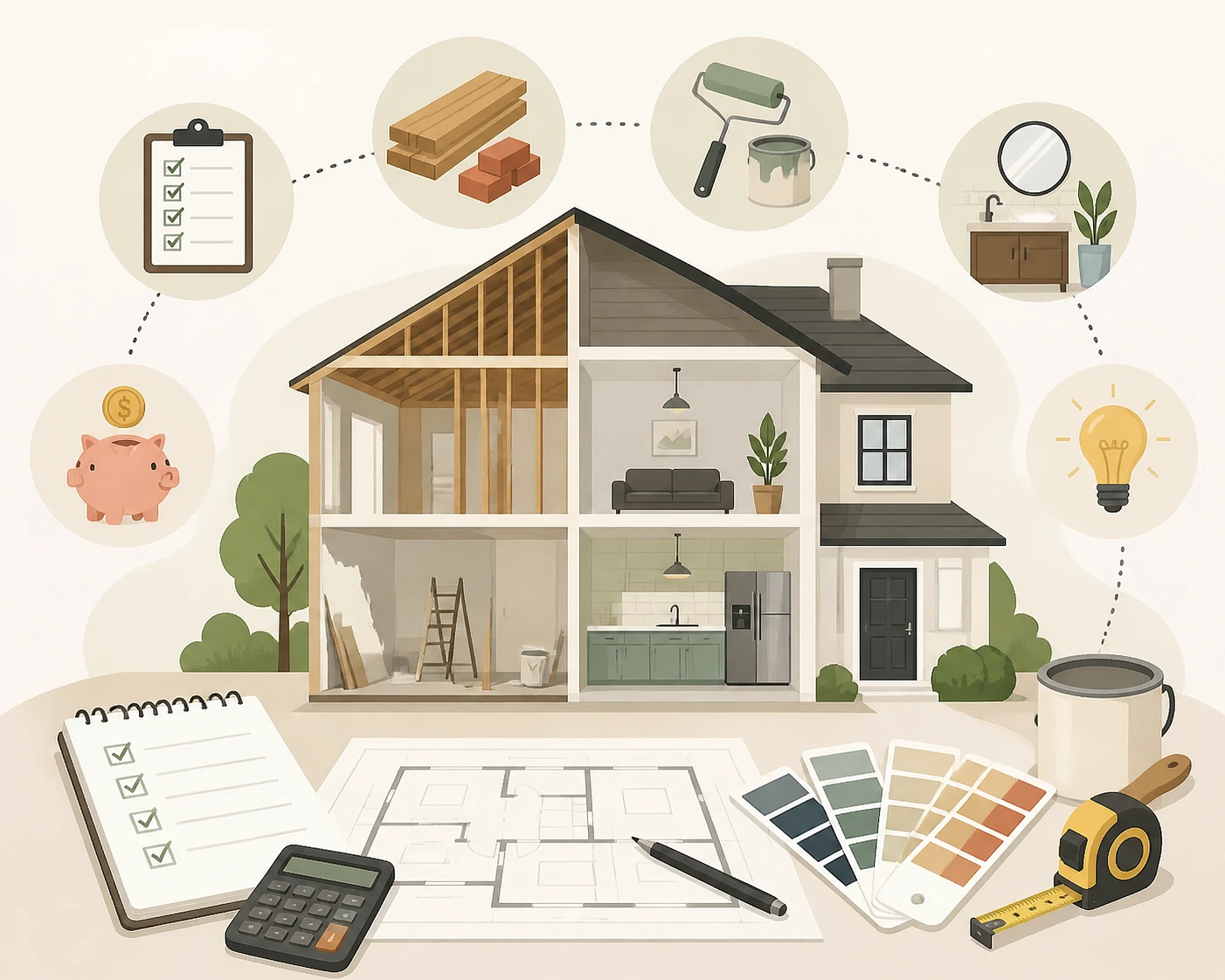
Preparing for a major renovation or new build is not just about design plans and contractor selection. It involves organizing your home, your schedule, and your expectations in a way that supports a smooth construction process. Without proper preparation, even well-planned projects can become stressful and disruptive.
Many homeowners focus heavily on the final outcome but overlook the transition period before construction begins. This phase is critical because it sets the tone for everything that follows. A well-prepared home reduces delays, minimizes unexpected issues, and helps everyone involved stay on track.
Taking the time to plan ahead ensures that the renovation or build progresses efficiently. It also allows homeowners to remain in control throughout the process rather than reacting to challenges as they arise.
Evaluating the Scope of Work Before Starting
Understanding the full scope of your project is one of the first and most important steps. Whether you are renovating a single area or building a new structure, knowing exactly what will be done helps you prepare both physically and mentally. It also allows you to anticipate disruptions and plan accordingly.
Large projects often involve multiple phases, including demolition, construction, and finishing. Each stage comes with its own requirements and challenges. Identifying these phases early helps prevent confusion and ensures that nothing is overlooked.
Working with a Custom Home Builder Lansing MI homeowners trust can provide clarity at this stage. Their experience helps define the project scope accurately, ensuring that expectations align with reality.
Clearing and Protecting Your Living Space
Before construction begins, it is essential to clear the areas that will be affected. Furniture, personal items, and valuables should be removed or relocated to avoid damage. This not only protects your belongings but also gives contractors the space they need to work efficiently.
For areas that cannot be completely cleared, protective coverings can help minimize dust and debris exposure. Sealing off certain sections of the home can also reduce the spread of construction-related mess. Taking these precautions helps maintain a cleaner and safer environment.
Organizing your space in advance reduces stress during the project. It ensures that essential items remain accessible while keeping the work areas free from unnecessary obstacles.
Planning Temporary Living Arrangements
Depending on the size of the project, staying in your home during a remodel or construction may not always be practical. Noise, dust, and limited access to essential areas can disrupt daily routines. Planning temporary living arrangements can make the experience more manageable.
Some homeowners choose to relocate entirely, while others create temporary setups within the home. For example, setting up a makeshift kitchen or living area can help maintain some level of normalcy. The decision depends on the extent of the work and personal preferences.
Preparing for these adjustments ahead of time prevents last-minute decisions. It also helps ensure that daily life continues as smoothly as possible during construction.
Setting a Realistic Budget and Timeline
Budgeting and scheduling are critical components of any large renovation or build. Costs can extend beyond initial estimates due to unforeseen issues or design changes. Setting a realistic budget that includes a contingency fund helps manage these situations.
Timelines should also be approached with flexibility. Delays can occur due to weather, material availability, or unexpected complications. Having a general schedule while allowing room for adjustments helps reduce frustration.
Clear communication with contractors about both budget and timeline ensures that everyone is aligned. This transparency helps keep the project on track and minimizes misunderstandings.
Preparing for Utility Adjustments and Upgrades
Major renovations often involve changes to utilities such as electricity, plumbing, and heating systems. These adjustments may temporarily disrupt services, requiring homeowners to plan ahead. Understanding when and how these interruptions will occur helps avoid inconvenience.
Some projects may also include upgrades that improve efficiency, such as evaluating the cost of installing solar panels as part of a long-term energy plan. Considering these upgrades during the preparation phase allows for better integration into the overall design.
Coordinating utility changes with contractors ensures that transitions happen smoothly. It also helps prevent delays that could impact the construction timeline.
Communicating Clearly with Contractors and Teams
Effective communication is essential throughout the preparation phase. Homeowners should establish clear expectations with contractors regarding project details, schedules, and responsibilities. This ensures that everyone involved understands their role.
Regular updates and progress reviews help address concerns before they become larger issues. Open communication also allows for adjustments when necessary, keeping the project moving forward.
Building a strong working relationship with your team creates a more positive experience. It fosters collaboration and ensures that the final outcome aligns with your vision.
Organizing Permits and Documentation Early
Permits and approvals are often required for large renovation or construction projects. Handling these requirements early prevents delays once work begins. Understanding local regulations and ensuring compliance is an important part of the preparation process.
Contractors typically assist with obtaining permits, but homeowners should remain informed about what is needed. Keeping documentation organized makes it easier to track progress and address any questions that arise.
Proper planning in this area ensures that the project proceeds without unnecessary interruptions. It also provides peace of mind knowing that everything is being handled correctly.
Managing Expectations During the Process
Large projects rarely go exactly as planned, and being prepared for adjustments is important. Unexpected challenges may require changes in design, materials, or timelines. Maintaining a flexible mindset helps navigate these situations more effectively.
Understanding that construction is a process with multiple moving parts reduces frustration. It allows homeowners to focus on progress rather than setbacks. This perspective contributes to a smoother overall experience.
Being patient and adaptable ensures that temporary challenges do not overshadow the long-term benefits of the project.
Planning for Cleanup and Final Stages
As the project nears completion, planning for cleanup becomes essential. Construction can leave behind dust, debris, and leftover materials that need to be addressed. Scheduling a thorough cleaning ensures that the space is ready for use.
Final inspections and adjustments may also be required to ensure that everything meets expectations. Taking the time to review the work allows homeowners to identify any issues that need to be resolved before completion.
Preparing for this final stage helps transition the space from construction to everyday living. It marks the completion of the project and the beginning of enjoying the results.
Creating a Smooth Transition Into Your Updated Space
The end of a renovation or build is not just about finishing construction; it is about settling into the newly improved space. Reorganizing furniture, decorating, and adjusting to the updated layout are all part of this process.
Taking a gradual approach to this transition helps ensure that everything is set up properly. It also allows homeowners to fully appreciate the improvements made. The goal is to create a space that feels comfortable and functional from the start.
With proper preparation and thoughtful planning, large renovation projects can be managed effectively. This approach ensures that the journey from start to finish is as smooth and rewarding as possible.
 Decor & Improvement Accessories