

Home & Decor Blogs: DIY, Interior Design & Lifestyle Ideas
Why Investors Are Buying in Towns Nobody Has Heard Of (And What the Numbers Say)

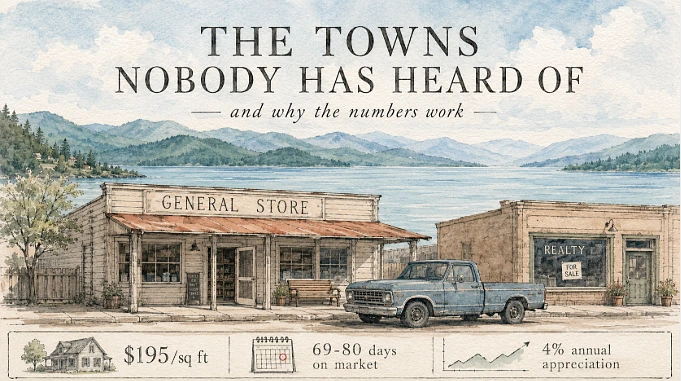
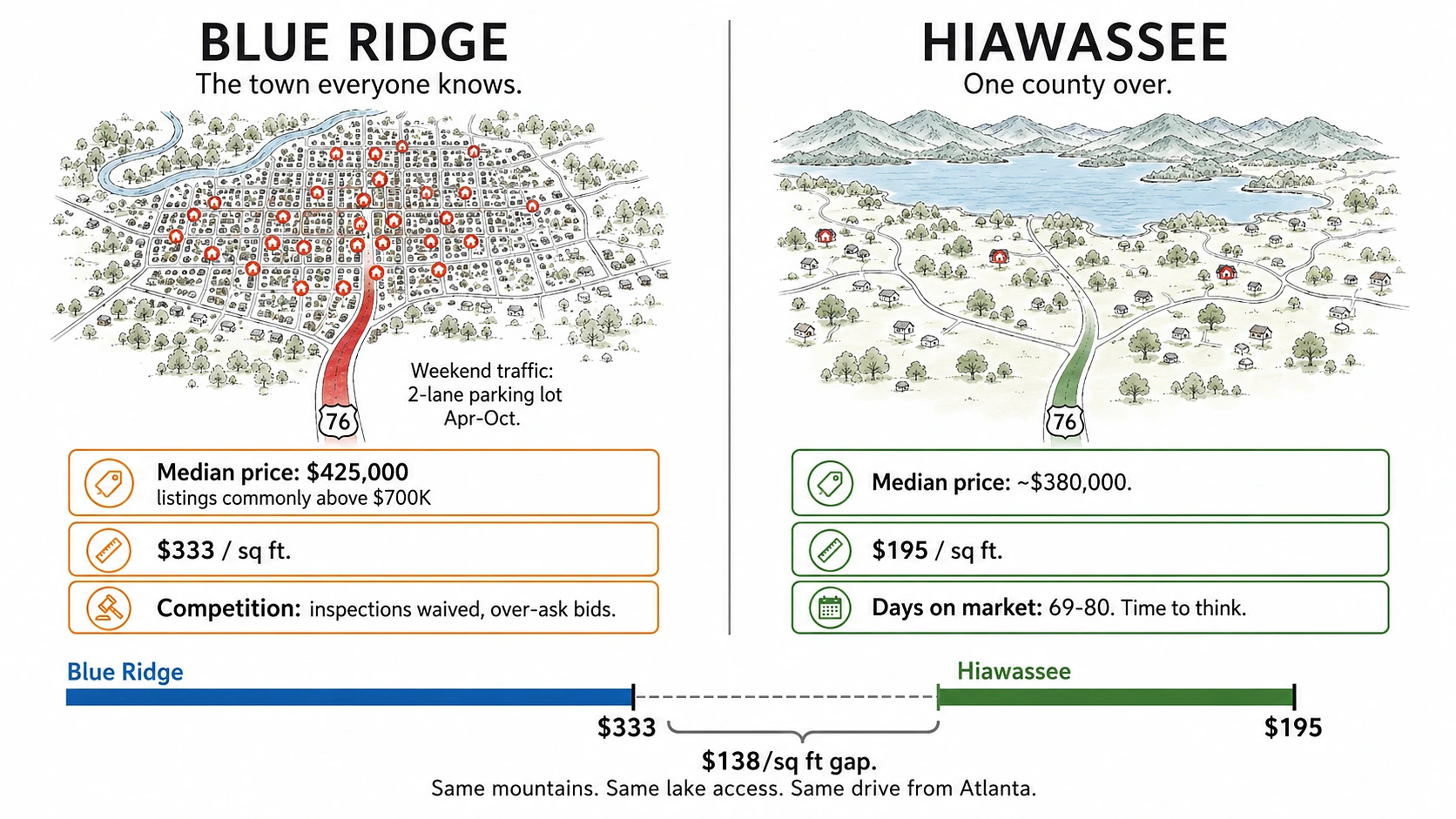
The median home price in Hiawassee, Georgia is roughly $380,000. The median in Blue Ridge, the well-known mountain town one county over, is closer to $425,000 and listings regularly sit above $700,000. Both towns are in the North Georgia mountains. Both have lake access. Both are about two hours from Atlanta.
The difference is that Blue Ridge has restaurants with wait lists, Airbnbs on every block, and weekend traffic that turns a scenic two-lane road into a parking lot from April through October. Hiawassee has a town square, a weekly summer concert series, and a grocery store where people still know each other’s names.
That price gap between a town everyone knows about and one most people drive past without stopping is where a specific kind of real estate investor is putting their money right now. Not the flipper looking for a quick turnaround. The buyer who wants a property that cash flows steadily, appreciates slowly, and doesn’t depend on hype to hold its value.
What Makes a Market “Quiet” Instead of Just Cheap
There is an important distinction here. A cheap market is cheap because nobody wants to live there. The jobs left, the population shrank, the houses cost nothing because demand is basically zero. Those are not investment opportunities, those are traps.
A quiet market is different. Demand exists but it’s not speculative. People are moving there because they actually want to live there, not because a podcast told them it was the next Austin. The growth is slow, measured, and anchored by something real, whether that’s a lake, a mountain range, a college, or just a quality of life that works for remote workers and retirees who don’t need to be near an office.
Hiawassee is a useful example because it fits all of those markers. The town sits on Lake Chatuge with the Blue Ridge Mountains behind it. Brasstown Bald, the highest point in Georgia, is about nine miles away. The Georgia Mountain Fair brings roughly 250,000 visitors every August. Young Harris College is seven minutes down the road. There is a hospital. There is year round recreation on the lake and in the national forest.
And yet homes there sell at $195 per square foot compared to $333 per square foot in Blue Ridge. Properties sit on the market for 69 to 80 days on average, which tells you the market is active but not frenzied. Nobody is waiving inspections or bidding $50,000 over asking here. You can visit a property, think about it for a week, and it will probably still be available.
If you want to see what’s actually listed right now and at what price points, browsing Hiawassee homes listings gives you a real sense of the range. You’ll find everything from lakefront cabins on Chatuge to smaller mountain homes under $300,000.
The Rental Math in a Town Like This
Vacation rental demand around Lake Chatuge is steady because the area pulls visitors year round, not just in summer. The fall foliage season runs strong through October and November. The Georgia Mountain Fair fills every rental in August. Fishing on Chatuge is a draw through spring. Even winter weekends get booked because the cabins have fireplaces and hot tubs and people from Atlanta want somewhere quiet to disappear for a couple of days.
A two bedroom cabin near the lake that you purchase for $280,000 to $350,000 can pull $150 to $250 per night on Airbnb depending on proximity to the water and whether it has a dock. Occupancy in the Hiawassee area tends to peak in June, July, and September, with a secondary peak during fair season in August.
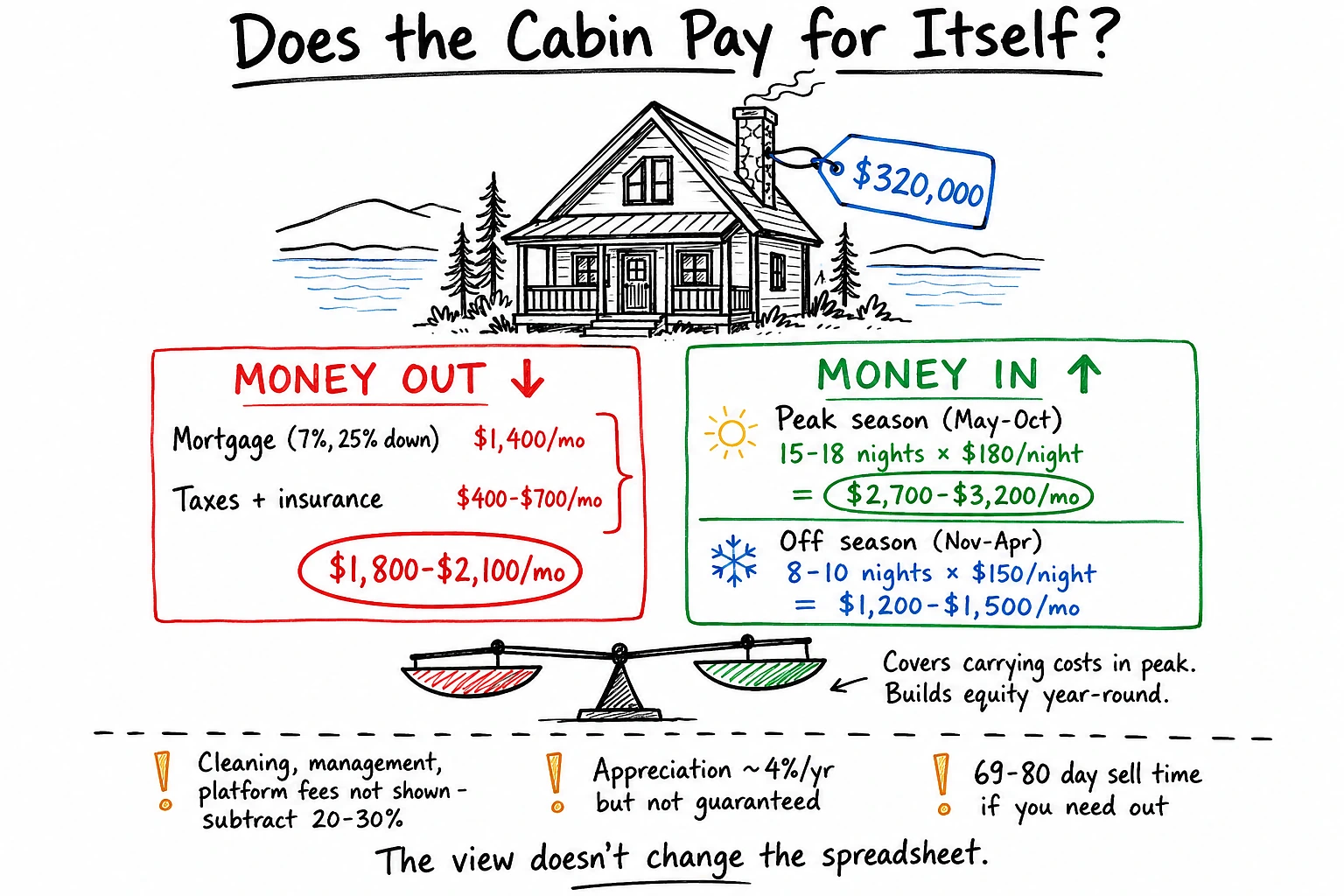
The calculation most investors run looks something like this. Purchase a cabin at $320,000. Finance at 7% with 25% down. Monthly mortgage, taxes, and insurance come to roughly $1,800 to $2,100. If the property books 15 to 18 nights a month during peak season (May through October) at an average of $180 per night, gross monthly revenue sits around $2,700 to $3,200. Off season bookings at 8 to 10 nights per month at $140 to $160 fill some of the gap.
You are not getting rich overnight. But you are covering your carrying costs, building equity in an asset that’s appreciated about 4% year over year, and the demand drivers behind that number are geographic, not speculative. Nobody is manufacturing a lake. The recreation access that makes Chatuge attractive to renters and buyers existed before the pandemic and it’ll exist after the next market correction too.
Where Else This Pattern Shows Up
Hiawassee is one version of a broader trend, and other parts of the country have their own equivalents.
Gulf Coast towns that haven’t priced up yet. Along the Gulf Coast, smaller beach communities between the major resort cities still offer entry points that make cash flow possible. These are towns where the beach exists but the boardwalk and the high rise condos do not. Cedar Key on Florida’s Gulf side and Dauphin Island in Alabama are examples. The seasonal demand is real, the property taxes are lower than in Panama City or Destin, and the competition for rentals is not as aggressive. What they lack in nightlife and name recognition they make up for in predictability.
Inland lake towns in the Upper Midwest. Towns along the Finger Lakes in New York, or around Leech Lake and Mille Lacs in Minnesota, have housing stock that has been undervalued for years relative to the recreation access they offer. Older cabins and cottages on or near the water trade at prices that are a fraction of equivalent properties on more famous lakes. The catch is seasonality. Winters are long, rental demand drops hard from November through April, and you need to factor in winterization and maintenance costs that southern lake towns do not have.
Reservoir communities in the Southeast. Lake Hartwell on the Georgia-South Carolina border. Lake Martin in Alabama. Norris Lake in Tennessee. These are man made lakes with stable water levels, recreational infrastructure (marinas, boat ramps, fishing piers), and surrounding towns that have a mix of full time residents and vacation homeowners. Prices are generally lower than natural lake markets because the “reservoir” label doesn’t carry the same prestige, even though the actual experience of living on one is nearly identical.
What all of these places have in common with Hiawassee is that the prices haven’t been bid up by speculation yet, and the reason people want to live there is something permanent, not a trend cycle that could reverse in two years.
What Can Go Wrong and Who This Actually Suits
It would be dishonest to write about quiet market investing without mentioning the risks that come with the territory.
Liquidity is lower. In a hot metro market, you can list a house and have multiple offers within days. In Hiawassee, the average listing sits for 69 to 80 days, and some properties take much longer. If you need to sell quickly, you may have to price aggressively. This is not a market where you can count on a fast exit.
Infrastructure is limited. Small towns have small town services. The hospital in Hiawassee (Chatuge Regional) covers basics but anything serious means a drive to a larger facility. Internet service may not support heavy remote work in every part of the county. Buyers coming from a metro area sometimes underestimate how much they relied on the infrastructure they never thought about.
Short term rental regulations can change. Towns that see a surge in Airbnb activity sometimes respond with restrictions, permit requirements, or outright bans on short term rentals in residential zones. This has happened in mountain communities across the Southeast already. Before buying a property with a rental income strategy, check the county’s current regulations and whether any proposed changes are under discussion at the local planning level.
Appreciation is not guaranteed just because prices are low. A $350,000 cabin in a quiet market can stay at $350,000 for years if the town does not attract new residents or if the vacation rental market softens. Low prices are not inherently a deal. They are only a deal if there is a reason for them to grow, and that reason has to be something more durable than a trending TikTok video about small town life.
So who does this actually suit? People who treat the property as a long hold, five years minimum, ideally ten or more. Remote workers who can live in the property part time and rent it when they are elsewhere. Families who want a vacation home that pays for itself rather than sitting empty eleven months a year. Investors who already own property in a metro area and want something that moves on a completely different cycle.
It does not suit anyone who needs fast appreciation to justify the purchase, or buyers who plan to manage everything from a distance without ever visiting. And honestly, if you are buying because the idea of owning a cabin on a quiet lake sounds romantic rather than because the rental comps and carrying costs actually work, you are going to end up disappointed. The numbers either make sense or they don’t, and the view from the porch does not change the math on the spreadsheet.
 Decor & Improvement Accessories