

Home & Decor Blogs: DIY, Interior Design & Lifestyle Ideas
The Exit Renovation: Why We Improve Homes Most When We’re About to Leave Them

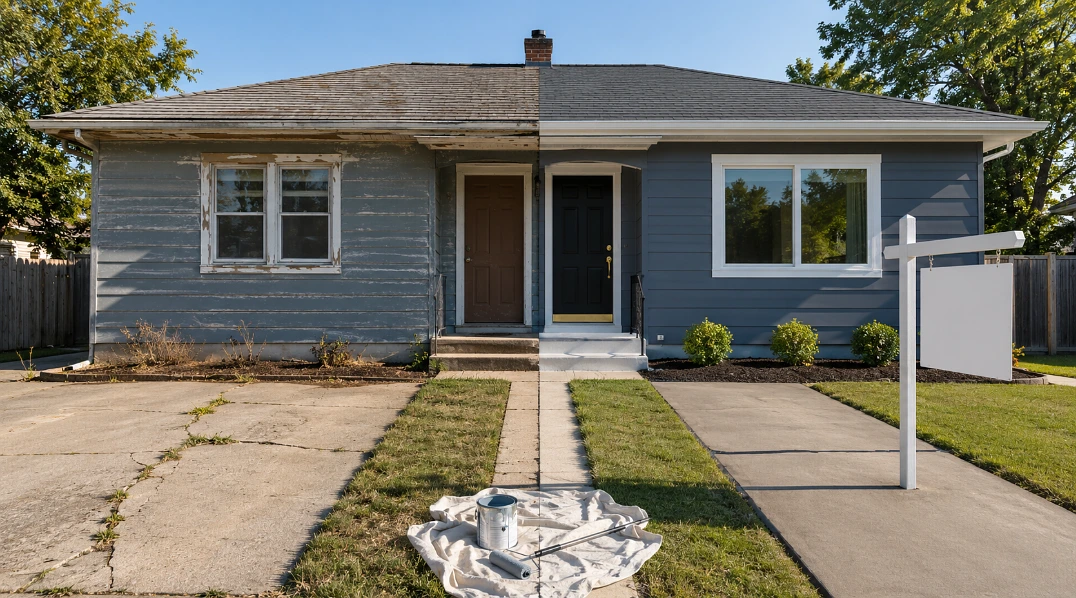
There is a strange pattern that shows up in almost every neighborhood. A homeowner lives in a house for years, sometimes decades, and never gets around to fixing the cracked driveway or repainting the faded trim. Then, the moment a For Sale sign goes up, that same homeowner suddenly finds the time, money, and energy to fix everything at once. New paint appears overnight. Fresh mulch fills the flower beds. The driveway gets patched, and the front door gets a new coat of black paint. It is almost funny how much love a house receives right before its owner says goodbye to it.
This pattern has a name among real estate professionals. Some call it the exit renovation, and it happens far more often than most people realize. Homeowners rarely improve their homes for themselves while they are living in them day to day. Instead, they save their biggest bursts of home improvement for the moment they are about to leave. Understanding why this happens, and what it means for both sellers and buyers, reveals something important about how people relate to the places they call home.
Why We Save Our Best Work for Goodbye
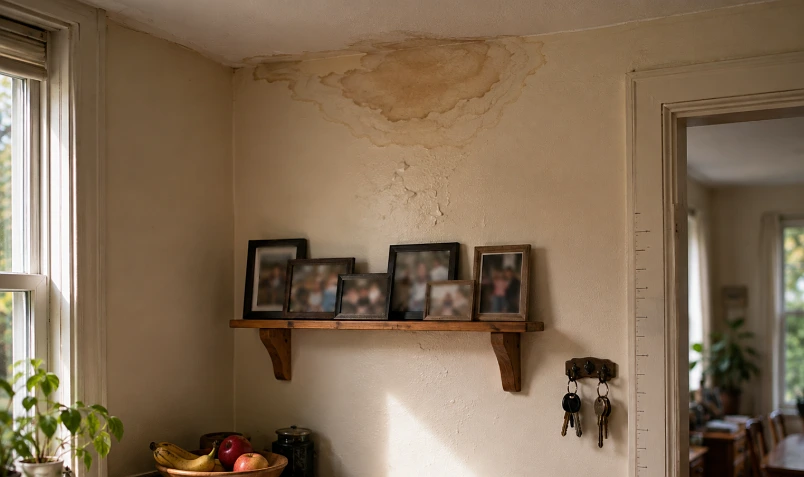
The reasons behind the exit renovation are more emotional than practical, even though most people describe their choices in practical terms. When someone plans to stay in a home for years, small flaws tend to fade into the background. A cracked tile becomes something you step around without thinking. A stained ceiling becomes part of the room instead of a problem to solve. Comfort with familiarity makes flaws invisible over time, and most people simply stop noticing what used to bother them.
Selling a home changes that completely. Suddenly, every flaw becomes visible again through the eyes of a stranger who has never seen the house before. Homeowners start looking at their own kitchen the way a buyer might, and the flaws they had ignored for years suddenly feel urgent. This shift in perspective is powerful enough that people will spend thousands of dollars fixing a home they are about to hand over to someone else, even though they never spent that money while they were living there and enjoying it themselves.
There is also a financial piece to this pattern that cannot be ignored. Many homeowners believe, often correctly, that a fresh coat of paint or a repaired fence will increase their sale price. Real estate agents frequently recommend specific updates before listing a home, from decluttering closets to replacing outdated light fixtures. This creates a strong incentive to renovate right before selling, since the goal shifts from personal enjoyment to maximizing what a buyer is willing to pay. The renovation becomes less about living better and more about presenting well.
The Hidden Cost of Waiting Until the End
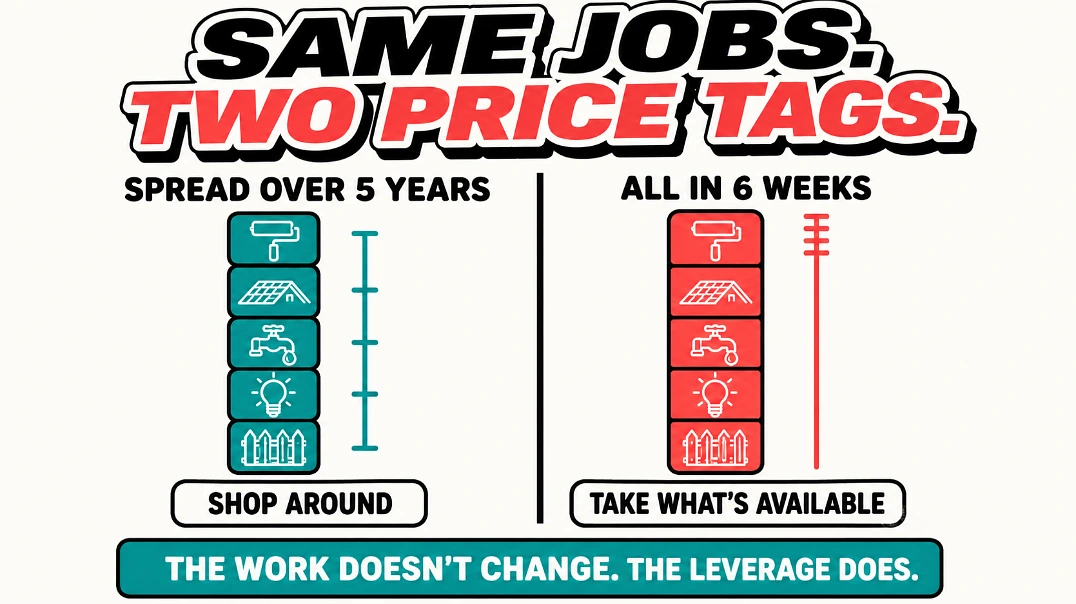
While exit renovations make sense on the surface, they often come with real drawbacks that many sellers do not consider until it is too late. Rushed renovations tend to be more expensive than planned ones, since contractors charge premium rates for quick turnarounds and sellers under time pressure make hasty decisions. A homeowner who waits until the last minute to fix a roof or update a bathroom may end up paying more than someone who spread that same work out over several years. The urgency of a looming sale date removes the ability to shop around for the best price or the best contractor.
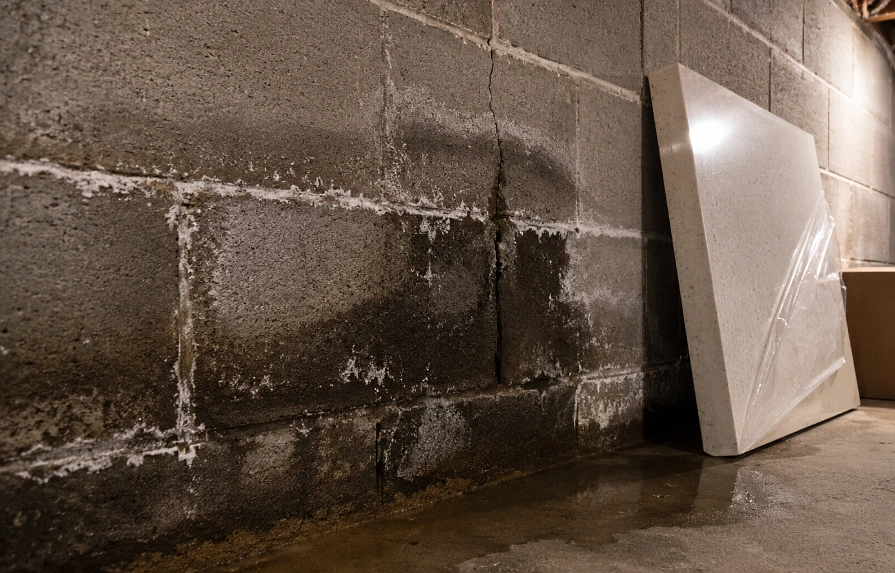
There is also a mismatch problem that trips up many sellers. People often renovate based on their own taste rather than what buyers in their specific market actually want, which means money gets spent on upgrades that do not always translate into a higher sale price. A homeowner might install expensive countertops that buyers barely notice, while ignoring a leaky basement that scares away nearly everyone who walks through. Without guidance from someone who understands how buyers actually evaluate a home, renovation dollars can easily be spent in the wrong places at exactly the wrong time.
This is where real estate investors who buy homes directly from sellers bring a very different perspective to the table. Because these buyers purchase homes in almost any condition, they see the exit renovation pattern from a unique angle. They meet homeowners at every stage of the process, from those who have already spent their savings on updates to those who have nothing left to give and just want an honest way out. Their experience offers a rare, ground level view into what actually helps a homeowner move forward and what turns out to be a waste of time and money.
What Cash Buyers See That Sellers Often Miss
Investors who buy homes directly, often called cash home buyers, spend their careers walking through houses in every possible condition. Because of this, they develop a sharp sense of which repairs genuinely matter and which ones are simply for show. Their perspective cuts through the noise that often surrounds a typical home sale, offering homeowners a clearer picture of where their time and money are best spent.
A Faster Way Out Without the Renovation Guessing Game
B.J. Ward, Founder of Easy Sale HomeBuyers, has spent years helping homeowners in the Raleigh area skip the renovation scramble entirely by offering a straightforward path to sell as is.
“I have watched sellers pour their last dollars into a kitchen remodel right before listing, hoping it will pay off in the end. We buy houses exactly as they sit, so that pressure disappears the moment we make a fair cash offer. One homeowner saved thousands of dollars by skipping repairs entirely and closed with us in under two weeks. That kind of relief matters more to a family than a fresh coat of paint ever could.”
Honest Guidance Instead of a Rushed Checklist
Darrell Audiss, Owner of Dakota Homes, guides sellers through decisions with a people first approach, helping many avoid renovations that would never have paid off in the first place.
“We sit down with homeowners and ask what they are really trying to accomplish before any hammer ever comes out. I have seen families spend money on new flooring when the real issue the whole time was an old roof nobody wanted to talk about. Guiding people toward honest choices saves them both stress and money at the same time. Clear, patient communication beats a rushed renovation almost every single time.”
When Renovation Is Not the Answer at All
Some homeowners find themselves facing circumstances where renovation is not just unwise, it is nearly impossible. Inherited properties, homes tied up in probate, and situations involving aging parents or sudden life changes often leave families with little time, money, or emotional energy to fix anything. In these moments, the exit renovation pattern breaks down completely, replaced by a much simpler question. How can this property be handled with the least amount of added stress?
Solving Complicated Situations Without Adding More Work
Alexis Orivri, Founder of Riv Buys Properties, specializes in exactly these complicated situations, helping families move forward without the burden of fixing up a home they may never have wanted to keep.
“I work with families facing probate, inherited homes, and situations nobody plans for in advance. We recently helped a family skip months of repairs on a property with a cracked foundation and closed within just three weeks. Every family deserves a path forward that does not require fixing up a house they are already ready to leave behind. Flexibility, patience, and honesty matter far more than fresh paint ever will.”
The Bigger Lesson Behind Every Exit Renovation
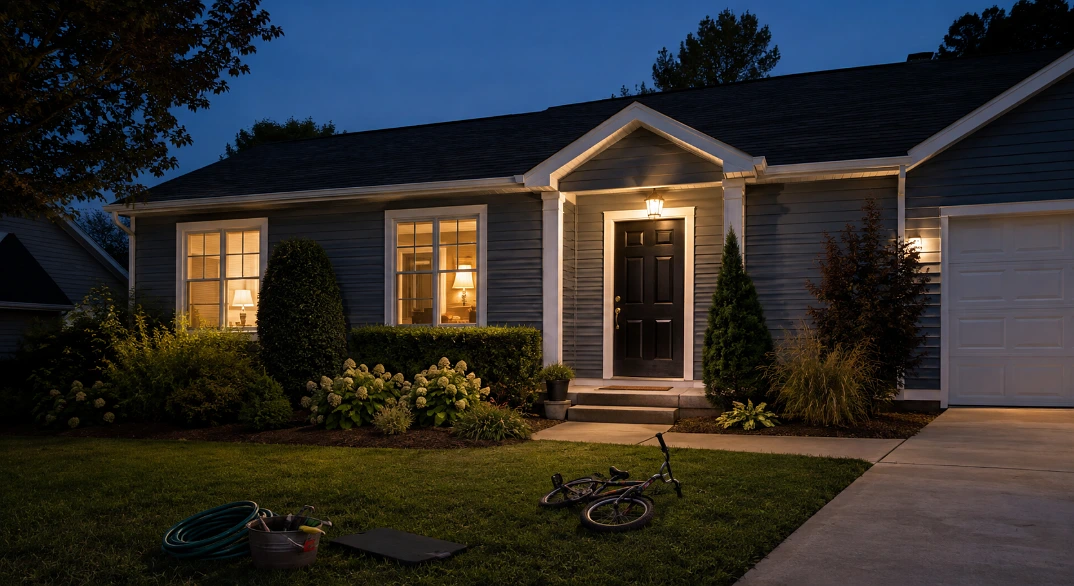
The exit renovation pattern says something honest about how people relate to their homes. We often save our best effort, our clearest thinking, and our biggest investments for the moment we are about to walk away, rather than spreading that same care across the years we actually spend living somewhere. There is a valuable lesson hiding inside this habit, one that reaches beyond real estate and into how people treat many things they eventually have to let go of.
Homeowners who understand this pattern early can make far better decisions when the time comes to sell. Some will choose to renovate strategically, focusing only on updates that genuinely raise value. Others will choose a faster, simpler path by working with buyers who purchase homes as they are, skipping the renovation scramble altogether. Either way, the real insight is the same. The best time to care for a home is not just when we are leaving it, but throughout the entire time we are lucky enough to call it ours. Homes reward the attention we give them, no matter when that attention finally arrives.
 Decor & Improvement Accessories