

Home & Decor Blogs: DIY, Interior Design & Lifestyle Ideas
Best Door Materials for Long-Lasting Home Improvement Projects
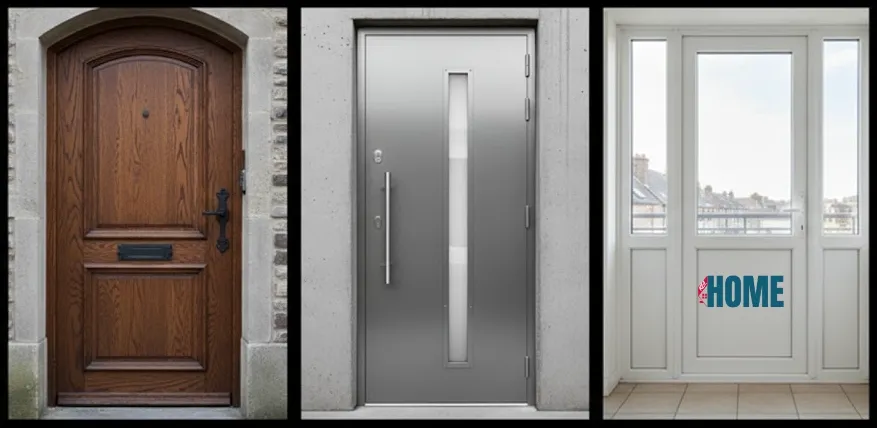
Walk through any home, and you’ll notice something remarkable: doors are everywhere, yet we rarely give them the attention they deserve. They open, they close, they stand between us and the outside world, silent guardians that work tirelessly without complaint.
But here’s the fascinating part: not all doors are created equal. The material you choose can mean the difference between a door that lasts decades and one that starts showing its age within a few years.

Choosing the right door material is a critical decision in any home improvement project. Doors are not just functional elements; they influence durability, maintenance costs, security, insulation, and overall aesthetics.
Whether you’re renovating your entire home or simply replacing a worn-out entryway, understanding door materials is essential.
Understanding Why Door Material Matters
Think of your door as a hardworking employee that never takes a day off. It faces rain, sun, temperature swings, curious children, and countless daily openings and closings. The material of a door directly affects how well it performs over years of use. Climate, usage frequency, and design goals all play a role in selecting the right option.
Understanding these factors isn’t just about avoiding replacement costs; it’s about creating a home that functions smoothly and looks beautiful for years to come.
Key Factors Influenced by Door Material
The material you select impacts multiple aspects of your home’s performance:
- Structural strength and lifespan: Some materials naturally resist wear better than others
- Resistance to moisture, heat, and pests: Environmental challenges vary by region and location within your home
- Maintenance requirements: Time and money spent on upkeep add up over the years
- Contribution to insulation and noise control: Energy efficiency and peace of mind matter more than many realize
Selecting wisely ensures your investment supports both functionality and visual harmony in interior design and doors across the home. When you match the right material to the right application, you’re setting yourself up for long-term success.
Popular Door Materials and Their Long-Term Benefits
Let’s explore the most reliable options available today. Each material brings unique strengths to the table, and understanding these differences empowers you to make choices that align with your specific needs.
Solid Wood Doors
There’s something inherently warm about solid wood. It speaks of craftsmanship, tradition, and permanence. Solid wood remains a classic choice due to its natural beauty and durability, and for good reason; when properly maintained, these doors can last generations.
Best suited for: Main entrances and premium interiors
Benefits: Solid wood doors offer high strength and longevity that synthetic materials struggle to match. They provide excellent sound insulation, creating quieter, more peaceful spaces. Perhaps most importantly, they bring timeless aesthetic appeal that never goes out of style. The natural grain patterns mean each door is genuinely unique.
Considerations: These doors require regular polishing or sealing to maintain their protective finish. They’re also sensitive to moisture and temperature changes, which can cause expansion, contraction, or warping if not properly managed. In humid climates or poorly ventilated areas, solid wood may not be your best bet.
Engineered Wood Doors
If solid wood is the traditional craftsman, engineered wood is the innovative problem-solver. Engineered wood combines natural wood with composite layers for added stability, addressing many of solid wood’s vulnerabilities while maintaining its attractive appearance.
Best suited for: Bedrooms and living spaces
Benefits: These doors are more resistant to warping than solid wood, making them reliable in various environmental conditions. They’re cost-effective with a refined finish that closely mimics solid wood’s appearance. Easier maintenance means less time and money spent on upkeep over the years.
This option is widely preferred in modern interior design and doors where consistency and durability are key. For homeowners seeking the wood look without the intensive maintenance, engineered wood strikes an excellent balance.
Metal (Steel & Aluminum) Doors
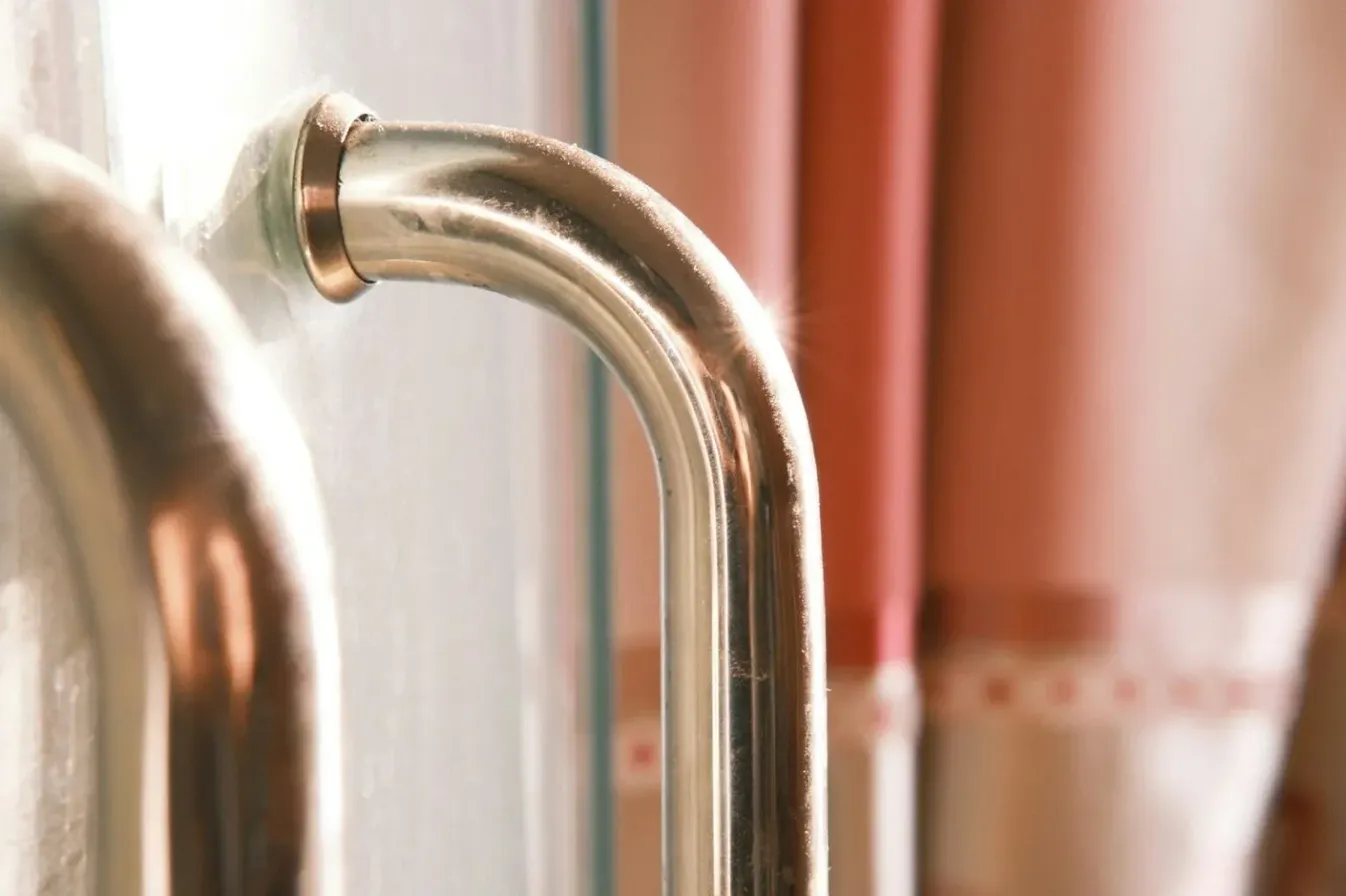
When security and longevity are non-negotiable, metal steps up to the challenge. Metal doors are valued for their strength and security, serving as formidable barriers against both intruders and the elements.
Best suited for: External doors and utility areas
Benefits: Metal doors offer high resistance to impact and fire, providing peace of mind for safety-conscious homeowners. They require low maintenance compared to wood options, and their long service life makes them a smart investment. Modern manufacturing techniques have also improved their aesthetic options significantly.
Considerations: Despite their strength, metal doors can dent under heavy force, a particularly relevant concern if you live in an area prone to hail or have active children. They also require proper coating to prevent corrosion, especially in coastal regions where salt air accelerates rust.
uPVC and Fiberglass Doors
Welcome to the modern era of door materials. These modern materials are engineered for performance and efficiency, representing decades of research into creating low-maintenance, high-performance solutions.
Best suited for: Bathrooms, balconies, and exterior use
Benefits: Both uPVC and fiberglass are waterproof and termite-proof, eliminating two major concerns that plague traditional materials. They provide excellent thermal insulation, helping reduce energy costs year-round. Minimal maintenance requirements mean you can essentially install and forget about them for years.
They are increasingly popular in contemporary interior design and doors due to their practicality and clean appearance. For quality options in these materials, resources like Doors for Pros offer professional-grade selections that combine performance with style.
How to Choose the Right Door Material for Your Home
Now that you understand the options, how do you actually make the decision? Selecting the ideal door material depends on matching function with environment; it’s part science, part art.
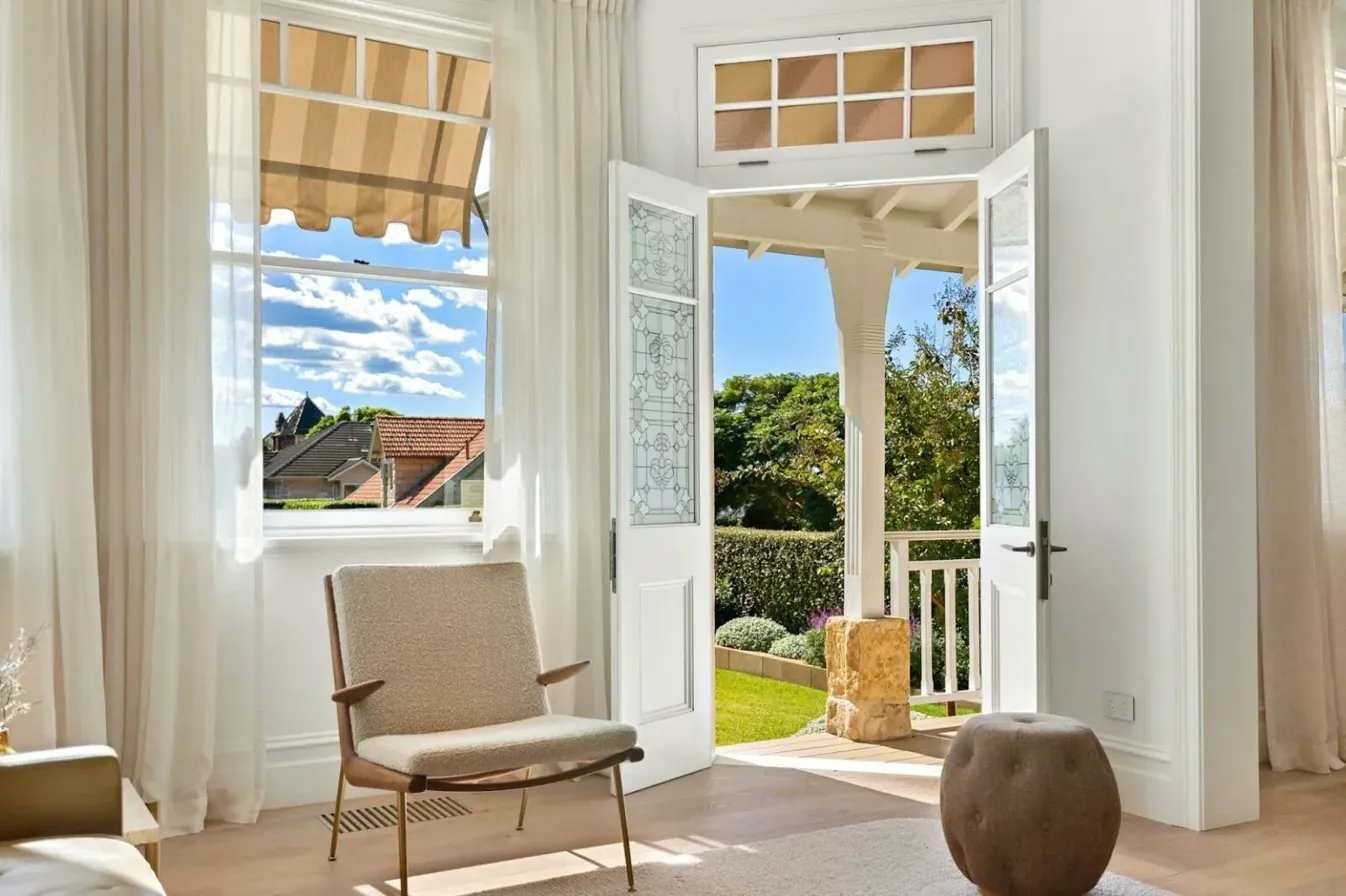
Consider the following before deciding:
Location of the door (interior vs exterior): External doors face harsher conditions and require more robust materials. Interior doors can prioritize aesthetics and sound insulation over weather resistance.
Exposure to moisture or sunlight: A bathroom door needs different characteristics than a south-facing entry. Moisture-prone areas benefit from synthetic materials, while sun-exposed doors need UV-resistant finishes.
Desired aesthetic and design theme: Your door should complement your overall design vision. Modern homes might lean toward sleek metal or fiberglass, while traditional spaces may call for wood.
Budget and long-term maintenance expectations: Consider total cost of ownership, not just purchase price. A cheaper door requiring frequent maintenance may cost more over time than a premium option that needs minimal care.
A balanced choice ensures both durability and design coherence throughout the home. Don’t rush this decision, take time to evaluate your specific circumstances and priorities.
When exploring professional options, platforms specializing in doors for pros can provide expert guidance tailored to your project’s unique requirements.
Conclusion
The best door material is one that aligns durability, maintenance, and visual appeal with your specific needs. Solid wood offers timeless elegance that speaks to tradition and quality. Engineered wood provides stability and consistency for modern living. Metal ensures security and longevity for high-traffic and vulnerable areas. Modern materials like uPVC and fiberglass deliver efficiency and minimal maintenance for practical applications.
Thoughtful selection not only enhances daily living but also adds lasting value to your home improvement project. Your doors will serve you for years, possibly decades, so invest the time to choose wisely. Consider them not as mere barriers between spaces, but as hardworking elements that contribute to comfort, security, and beauty every single day. The right door material isn’t just about what looks good today; it’s about what will continue performing flawlessly tomorrow and for many years to come.

 Decor & Improvement Accessories