

Home & Decor Blogs: DIY, Interior Design & Lifestyle Ideas
Clerestory Roof: Boost Natural Light and Privacy in Your Home

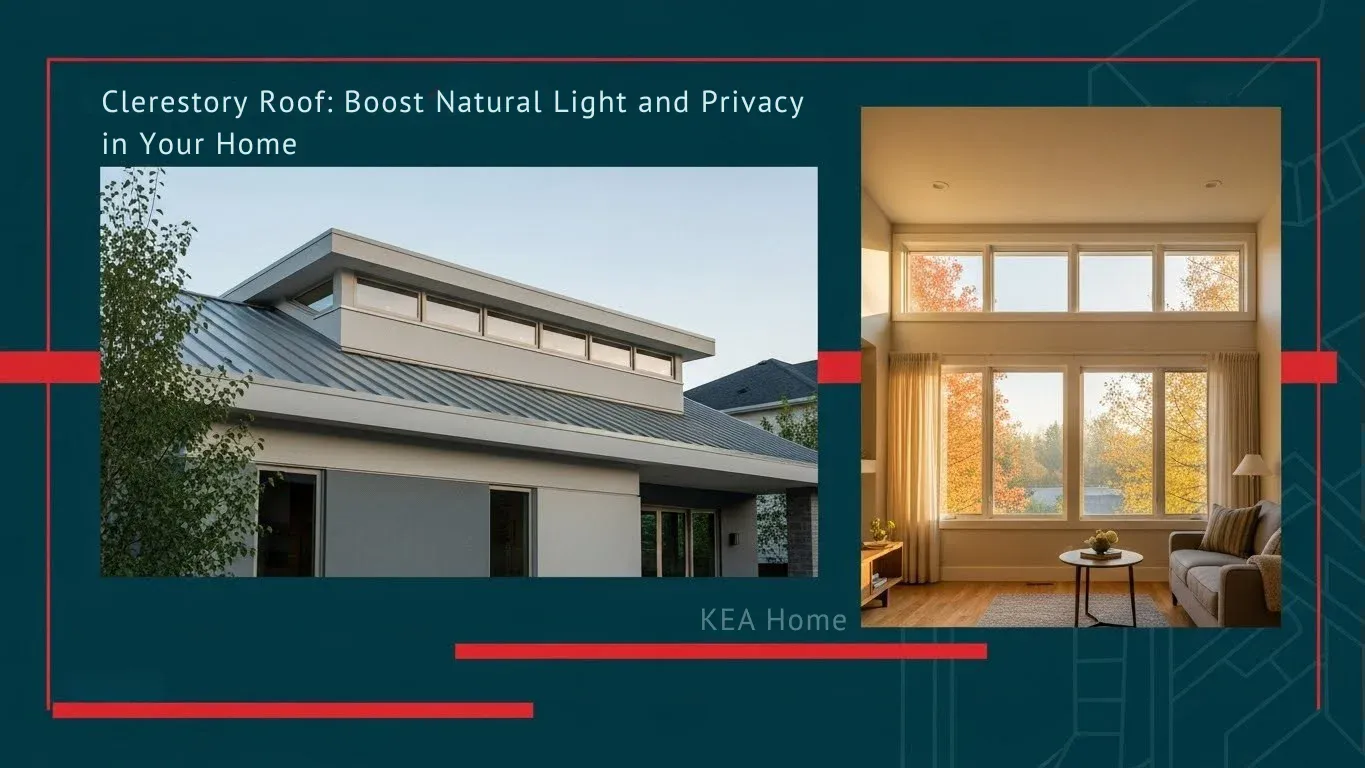
Picture walking into your home on a lovely autumn morning, and instead of turning on the bright, artificial lights, you bask in the sunlight coming in from the windows, lighting the entire room naturally. The room feels bright and expansive, almost alive. There are no dark blinds to fuss over, and no nosy neighbors; just sunlight illuminating the room and brightening your morning. This is the magic of a clerestory roof. If you have ever felt the dark, lower corners of the room, bringing down your mood, and the addition of windows making your home feel like a fishbowl, a roof like this line is for you. We will cover the history, and design, the realities of installation, and the creativity of the roof to get your home to let in more light, have more privacy, and save money on your utility bills. By the end, you will know if it is the upgrade your home décor deserves. Let’s let the light in.
What Is a Clerestory Roof
When you think about the term “clerestory roof,” you might think about tall cathedral ceilings, but that is not the case this time. In basic terms, a clerestory roof is when a section of your roof is raised perpendicular to the rest, creating a band of high placed windows, usually horizontal. These windows are not your standard type of windows; they are engineered in a way to let sunlight in from the side so they don’t overheat your room.
What makes a clerestory different from a skylight skylights are windows to the sky; they open to the view above and bring in a single source of sunlight. Skylights can feel invasive and lead to hot spots or leaks if not installed correctly. A clerestory, in contrast, hugs the cathedral walls and provide a view of the sky, much like a skylight. They can be customized to have straight lines for a sleek modern vibe, or soft curves, or even be angled to follow the pitch of the roof. A clerestory is like a hidden skylight. Most importantly, they work in any style from cozy bungalows to sprawling ranches. As long as you’ve got a bit of vertical space to show off, they can be a great addition.
The History Behind These High Flying Clerestory Roof

Let’s take a quick time travel since knowing the origin of something playful enriches the experience like when you know the origin of your grandma secret cookie recipe which is a recipe from a wartime ration book. It can be traced back to ancient Egypt where clerestory designs were used by Karnak builders in enormous temples to fill halls with light which represented the light of the gods but kept the inner workings hidden. Jump to the medieval times in Europe where Gothic cathedrals were being built. Those magnificent tall walls with narrow bands of windows were used to light and frame intricate stained glass used in reliquaries so that the housed prayers could be transformed to rainbow light and animated.
More recently, from the 20th century, clerestory roofs have landed on the home scene, and have a special place for us modern folk. That was thanks to Joseph Eichler in the post-war boom of California. He integrated clerestories into low-slung ranch homes to give confined spaces a limitless and airy feel, all while concealing from prying suburban eyes. It is funny that something born from stone palaces from the medieval Europe times is now helping us Netflix in peace, proving the point that good ideas instead of going bad like milk, age like fine wine.
Why Natural Light Matters
Ever notice how a gloomy room can make even your favorite playlist fall flat, Natural light isn’t just nice; it’s a mood-lifter, backed by science showing it boosts serotonin and sharpens focus. In a world glued to screens, letting the sun in feels like a mini-vacation for your brain. A clerestory roof nails this by pulling in daylight from high angles, washing walls and floors in a soft, even glow that chases shadows into corners where they belong.
Unlike floor-to-ceiling windows that flood one side and leave the other dim, clerestories distribute light like a pro barista pours foam—smooth and balanced. North-facing ones give steady, cool illumination perfect for reading nooks, while south-facing add warmth without the glare. And if you’re in a shady lot or north-facing home, this setup turns “meh” into “wow” by borrowing light from the sky itself. I’ve seen friends swear it cut their afternoon slumps in half; it’s that subtle shift from “surviving the day” to “owning it.”
Privacy Light Without the Nosy Neighbors
Privacy’s the unsung hero here because who wants to love their view only to feel like they’re living in a reality show? Traditional windows invite the world in, forcing you to choose between sunshine and solitude with endless curtains or frosted film. A clerestory roof flips the script: those elevated windows sit so high that even the tallest neighbor couldn’t spy without a ladder and bad intentions. You get the light’s embrace without the exposure, making it ideal for urban backyards or cozy bedrooms where you just want to unwind.
Picture this: your bathroom steams up from a hot shower, but the clerestory vents it out while keeping your towel rack out of sight. Or in a home office, ideas flow freely under diffused daylight, no distractions from passing joggers. For extra peace, opt for operable versions that tilt open for breeze without dropping privacy a notch. It’s like having a VIP lounge in your house exclusive, bright, and blissfully yours.
Energy Saving Lighten Your Bills, Not Just Your Mood
Let’s talk money, because sunlight’s free, and who couldn’t use a break on the electric bill, Clerestory roofs shine (pun intended) in energy efficiency by slashing your need for lamps and overheads during peak daylight hours. Studies from the Department of Energy suggest natural light can cut lighting costs by 20-30%, and when paired with passive solar tricks like low-E glass that blocks heat but lets light through you’re looking at real winter warmth without cranking the thermostat.
Ventilation kicks in too: open those high windows, and hot air rises right out, cooling your space naturally and easing AC loads in summer. In one Eichler-style remodel I read about, homeowners shaved 15% off their annual energy tab just by adding clerestories enough for a fancy dinner out. It’s not magic; it’s smart design that pays you back, one ray at a time.
| Feature | Clerestory Roof Impact | Potential Annual Savings (Avg. US Home) |
|---|---|---|
| Reduced Artificial Lighting | Diffused daylight replaces bulbs 60% of daytime | $50-100 on electricity |
| Passive Solar Heating | Captures winter sun for warmth | $100-200 on heating |
| Natural Ventilation | Exhausts hot air, lowers AC use | $75-150 on cooling |
| Overall Energy Efficiency | Low-E glass minimizes heat loss/gain | 15-25% total bill reduction (~$300) |
Design Ideas Where to Place It in Your Home
Embark on a quick adventure back to ancient Egypt to see how the playful design ideas we see today originated. For example, when a cherished family traditions text it{such as a secret cookie recipe}, recipe ideas are often playful, thinking outside the box. However, knowing that family traditions originated from a wartime ration book recipe could ruin the fun as in recipes were viewed as a wartime secret. In ancient Egypt, clever designs were used by Karnak builders in massive temples to fill halls with the text it{light of the gods} while concealing the inner workings of the temples. Halls represented the light of the gods. In European the gothic, a tall walled cathedral with narrow windowed and lighted whitespace was used to frame with intricate stained glass shining ball reliquary prayers converted glass to light in all colors and atmospheres to the.
Finally, starting in the 20th century, clerestory roofs have entered the scene on homes and have a great historical place for us modern people. This was thanks to Joseph Eichler in the California post-war boom. He built ranch homes with clerestories to make the trodden spaces feel unlimited and airy, all while keeping the suburban voyeurs hidden. It is humorous that something originally created from stone medieval European palaces is now allowing us to peacefully binge watch, proving that instead of going bad like milk, good ideas age like fine wine.
Installation Basics What to Expect
Adding a clerestory isn’t a weekend warrior project, but it’s less daunting than a full roof overhaul. First, your contractor assesses your structure does the roof pitch allow for that raised section? They’ll reinforce rafters if needed, then frame the bump-out, seal it watertight, and pop in the windows. Expect 1-2 weeks for a standard install, depending on size and access.
Pro tip: Go with energy-star rated glass from the get-go; it handles UV fading on your rugs too. If you’re retrofitting an older home, pair it with attic insulation upgrades for max efficiency. Hire folks experienced in passive design they’ll spot quirks like uneven trusses that could trip up newbies. It’s an investment that feels seamless once done, like your house just woke up taller and brighter.
| Cost Component | Low-End Estimate | High-End Estimate | Notes |
|---|---|---|---|
| Windows & Glazing | $1,500 | $6,000 | Energy-efficient options add $500 |
| Structural Reinforcement | $500 | $4,000 | More for older homes |
| Labor & Installation | $2,000 | $7,000 | 1-2 weeks, includes permits |
| Finishing Touches | $1,000 | $3,000 | Siding, sealing, painting |
| Total | $5,000 | $20,000 | Avg. ROI: 25% over 7 years |
Pros and Cons The Real Talk
On the upside, clerestories deliver that light-privacy double whammy, plus ventilation that freshens stale air without fans whirring. They add architectural pop your home gains height and character, fooling the eye into thinking it’s bigger. Energy perks aside, maintenance’s low: no ladder climbs like skylights, just occasional exterior wipes.
Initial cost stings if you’re pinching pennies, and in super-hot climates, unchecked south-facing ones can amp up cooling needs mitigate with shades or tints. Cleaning inner sills means a sturdy step stool, and if your roof’s flat or low-pitched, retrofits get tricky. Overall, pros outweigh cons for light hungry homes; it’s like upgrading from economy to first class without the mile-high club jokes.
FAQs
What’s the difference between a clerestory roof and a skylight?
Skylights roof-mount and shine straight down, great for direct light but prone to leaks and uneven heat. Clerestories hug walls high up for softer, side-angled glow with better privacy and less maintenance.
Can I add a clerestory to an existing home?
Absolutely, though it depends on your roof’s structure. Most retrofits work in attics or additions; expect $5k-15k and a week or two of work. Get a structural check first.
Do clerestory roofs work in all climates?
They shine everywhere, but tweak for yours tinted glass for sunny spots, operable vents for humid ones. North-facing cuts glare in hot areas; south warms cold winters.
How much light does a clerestory really bring?
Plenty enough to light a 200 sq ft room on overcast days, reducing bulb use by half. It’s ambient magic, not spotlight harshness.
Are there smart home integrations for clerestories?
Yep! Auto-tinting glass syncs with apps for glare control, or motorized openers tie into weather sensors. It’s future-proof fun.
 Decor & Improvement Accessories