

Home & Decor Blogs: DIY, Interior Design & Lifestyle Ideas
Closed Kitchen Trend Comeback: Is an Open Kitchen Still Right for You

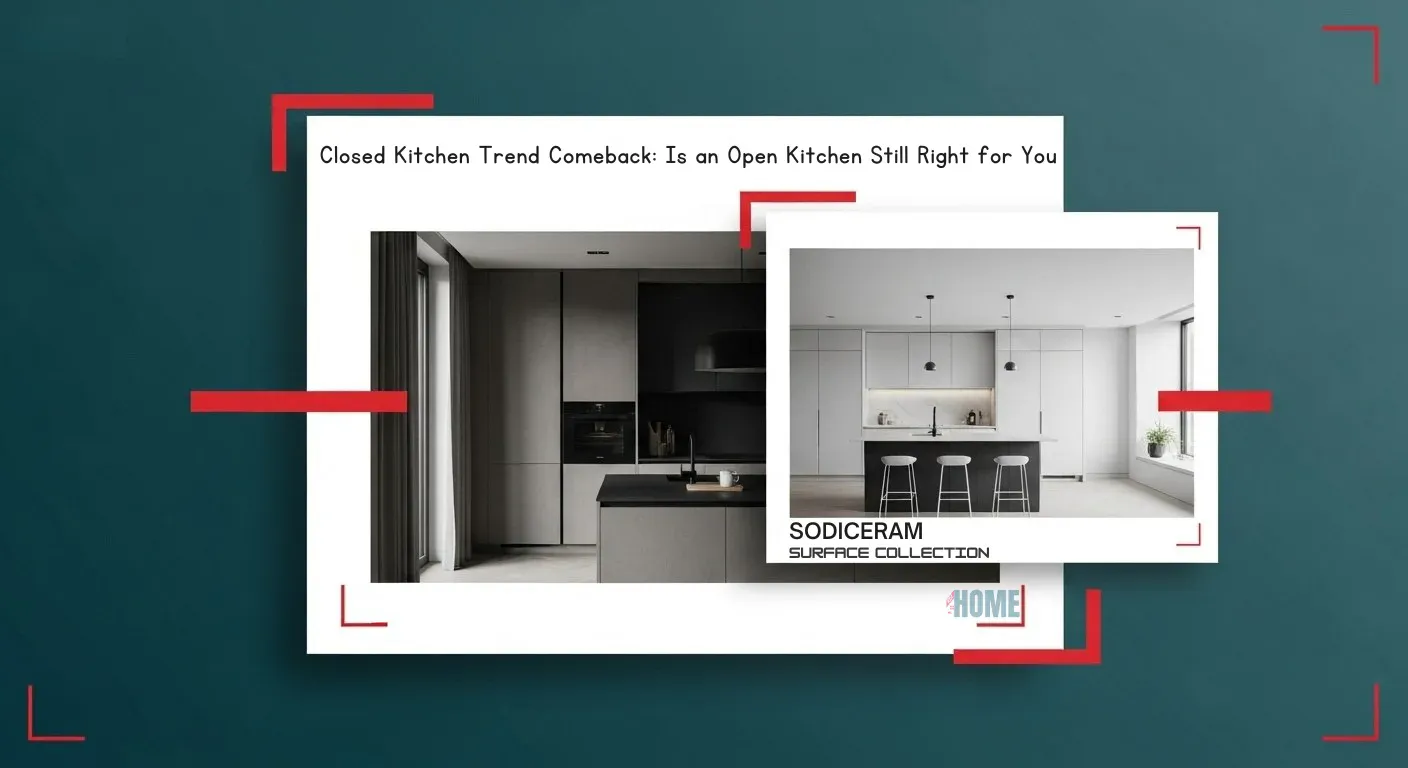
The resurgence of the closed kitchen trend comeback is driven by a desire for privacy, a need to contain mess and noise, and increased opportunities for dedicated storage and specialized design. This shift reflects changing lifestyles, including more work from home scenarios, where defined living zones are preferred over a single, open plan area.
If you have ever stood in your kitchen design, half loving the view into the living room and half wishing you could just slam a door and hide the chaos, you’re not alone. For years the open kitchen layout has been the darling of modern homes big, airy, social. But now, there’s a fresh whisper creeping through renovation the closed kitchen is quietly making a comeback. Yes the once “dated” concept of walls between your cooking zone and living space is back in the spotlight.
Why the Closed Kitchen Is Making a Comeback
Privacy, noise and smell control:
One big reason people are realising that cooking isn’t always glamorous and the open layout broadcasts everything. According to one source, “many are now leaning towards the coziness and intimacy closed kitchens offer.” Another says closed kitchens “help keep the smells and noise from the kitchen in the kitchen.”
In homes where multiple activities overlap (kids doing homework, someone on a Zoom call, pets or guests in the living space), the kitchen’s mess, smell and sounds become more problematic. So a closed kitchen offers a kind of refuge where cooking can happen without disrupting the rest of the home.
More wall space, storage and define workspace:
Closed kitchens often provide more usable wall area for cabinetry, shelving, appliances. For example, closed layouts allow you to stack full wall cabinets uninterrupted. One states that “closed kitchens offer increased wall space” as a key benefit. For serious cooks or those with lots of appliances, that extra storage counts.
Shift in lifestyle and work pattern:
It reflects how homes are used. More remote work, more multi use rooms, more desire for flexible zoning. “Hybrid kitchen trends” notes that “open concept kitchen design is giving way to hybrid layouts” because people are working from home and need more functional zones.
Mess concealment and resale nuance:
Another takeaway: the ability to hide the mess. One early says “the best way to hide a mess is to give homeowners the tools they need, including enclosed walls.” Also, although open kitchens historically boosted resale value, that dynamic may be changing especially in areas where buyers are looking for more efficient, private zones. So the closed trend isn’t just nostalgic; it’s practical.
What You Lose With a Closed Kitchen
Less visual openness and social integration:
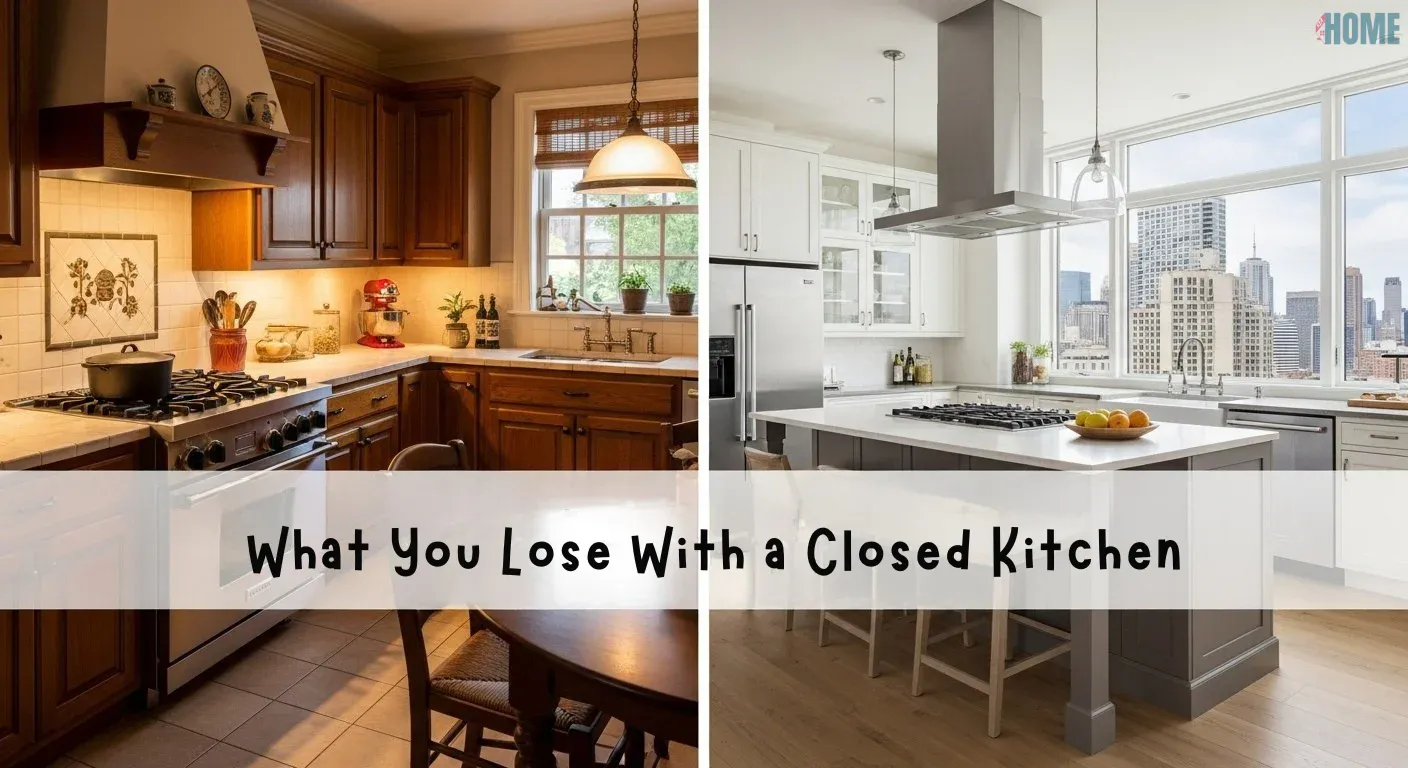
If you go fully closed, you may disconnect the cook from the rest of the household or guests. The Brownstone Boys highlights this trade off the cook may be “separated from the fun in the living area.” If you love to cook while chatting with friends or keeping an eye on children in the living area, a closed kitchen could feel isolating.
Natural light and sight lines might suffer:
Open kitchens are prized for making homes feel larger and brighter. One blog noted: “open kitchens make the space appear larger and allow more natural light.” In a closed layout you might compromise on natural light or view corridors, unless you design cleverly.
Flow and entertaining considerations:
Open kitchens support fluid movement between kitchen, dining and living zones. They’re ideal for hosting. A closed layout may interrupt that flow moving dishes from kitchen to dining may become less convenient. Some note this as a drawback.
Open Kitchen vs. Closed Kitchen Comparison
| Feature | Open Kitchen | Closed Kitchen |
|---|---|---|
| Space Perception | High – Feels larger, brighter, and more airy due to seamless flow into living areas. | Low – A self-contained space that can feel more enclosed, though practical for larger homes. |
| Social Interaction | High – Ideal for entertaining; the cook remains part of the conversation and can interact with guests and family easily. | Low – Offers privacy and separation from guests, which can be ideal for formal dining experiences. |
| Noise & Odor Control | Low – Smells and sounds from cooking and appliances (blenders, dishwashers) spread easily throughout the living space. | High – Cooking noise and strong odors (e.g., frying fish) are contained within the kitchen area, preserving the ambiance of other rooms. |
| Mess & Cleanliness | Requires constant tidiness; clutter and dirty dishes are always visible to anyone in the adjacent living areas. | Allows messes to be hidden from view and cleaned at a later time, which is valuable when entertaining. |
| Storage & Walls | Less wall space often means fewer upper cabinets and a potential need for creative storage solutions like large islands or walk-in pantries. | More walls provide ample opportunity for abundant cabinetry, shelving, and appliance placement, maximizing storage capacity. |
| Resale Value | Often highly valued in the current real estate market, as many buyers prefer modern, multifunctional, open-plan spaces. | Appeals to a specific demographic that values privacy and tradition; value depends on the local market preferences and overall home layout. |
Is an Open Kitchen Still Right for You
Here’s a decision framework that goes beyond simple pros & cons. Ask yourself each of these and take notes.
What your cooking style and frequency:
- If you cook frequently and create big mess/odours (frying, strong spices), a closed kitchen gives you containment.
- If you cook lightly or want the kitchen to be a visual hub of the home décor, open may be fine.
How do you entertain:
- Big social gatherings, many guests, interaction while cooking → open or semi-open works best.
- Small family dinners, quiet evenings, want to hide the mess → closed works better.
Storage, cabinetry and space constraints:
- If you crave lots of wall cabinets, appliances, backups closed gives more walls.
- If you have limited square footage and need sight-lines to make space feel larger, open helps.
Natural light, views and architectural context:
- Does your living / dining area have strong windows that feed into the kitchen? Open design helps leverage that.
- If your kitchen is tucked in, or walls wouldn’t hurt the light much, closed may be acceptable.
Resale and local market considerations:
- In your market (Pakistan, Karachi), check whether buyers expect open kitchens or if having a separate kitchen is still valued. Trends may differ from US/UK.
- Consider whether a closed kitchen might appeal to families who value privacy or more formal layouts.
Conclusion
Yes, the “closed kitchen trend comeback” is real but that doesn’t automatically mean the open kitchen is dead. Neither is objectively better. The goal is choosing what fits your lifestyle, your space, your future use of the home. The best kitchen layout is not the one Instagram loves it’s the one you’ll enjoy, live in, and not feel frustrated by.
 Decor & Improvement Accessories