

Home & Decor Blogs: DIY, Interior Design & Lifestyle Ideas
Best Engineered Hardwood Flooring for Your Kitchen & Dining Room

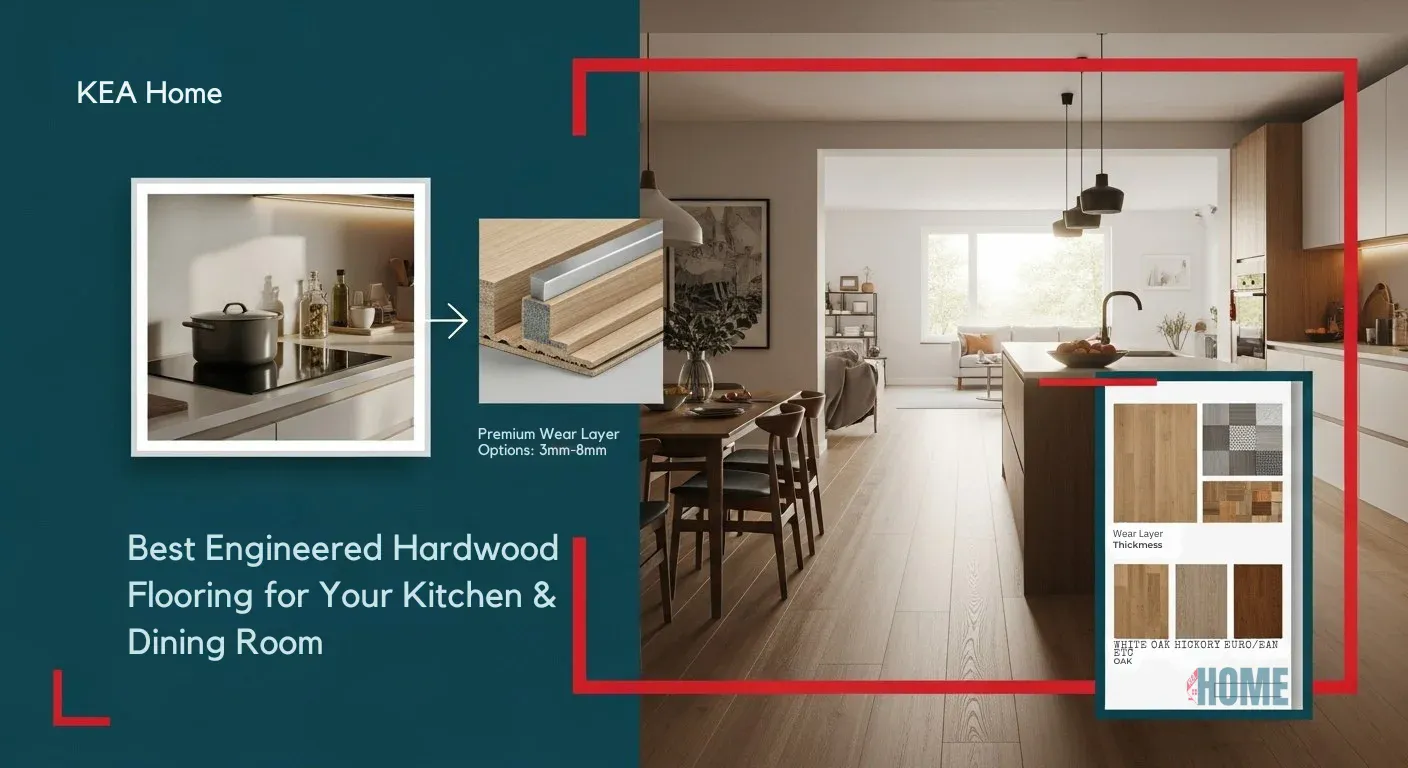
You have finally decided to ditch the cold tile or scratched up laminate in your kitchen and dining room, and you want real wood that looks amazing but won’t fall apart the first time someone spills a glass of red wine. Engineered hardwood has become the hero of open plan homes because it gives you that gorgeous solid-wood look while laughing in the face of spills, kids, dogs, and steaming pots.
What is Engineered Hardwood Flooring
While the “best” engineered hardwood flooring is subjective and depends on your budget, style, and performance needs, some brands and features consistently receive high ratings for quality and durability. To find the right flooring for you, consider these top brands and the key qualities that make for a premium product.
Why Engineered Hardwood Everything Else in Kitchens and Dining Rooms
Solid hardwood still looks incredible, but let’s be honest most of us don’t want to baby our floors like they’re museum pieces. Engineered hardwood is built differently multiple layers of real wood glued in a cross-hatch pattern under a thick top layer (the wear layer) of the actual hardwood you see and walk on.
That construction makes it way more stable than solid wood. It barely expands or contracts when you spill water or the humidity jumps because someone left the patio door open in July. In 2025, the best boards can handle full water spills for 72+ hours without cupping. Yes, really.
How Thick Should the Wear Layer Be for a Busy Kitchen
This is the single most important spec nobody talks about enough.
The wear layer is the real hardwood on top. Once you sand through it, the floor is toast. Here’s what matters in real life:
- 2mm or less → Fine for bed room, terrible for kitchens.
- 3mm → The bare minimum I’d accept if you have pets or kids.
- 4mm+ → This is where the magic starts. You can sand and refinish these floors 2–4 times over 30 years.
- 6mm and up → Basically acts like solid hardwood for a lifetime.
The Waterproof vs Water Resistant Debate
You’ll see “waterproof engineered hardwood” everywhere. Here’s the truth:
True waterproof floors have a rigid core (usually stone plastic composite or magnesium oxide) with a thin wood veneer on top. They’re technically vinyl wearing a wood costume. Great performance, but they don’t feel or sound like real wood when you walk on them.
The best water resistant engineered hardwoods in 2026 use 100% wood cores with new generation acrylic or ceramic coatings. They can sit in water for 72–120 hours without damage and still give you that warm, solid wood thud under your feet. That’s the sweet spot for kitchens.
Top 5 Engineered Hardwood Picks for Kitchens & Dining Rooms in 2026
When selecting engineered hardwood for kitchen design and dining rooms, durability, moisture resistance, and a protective finish are key considerations for these high traffic, moisture prone areas. Trends for 2026 favor warm, natural tones, wire brushed finishes, and wider planks that offer both style and performance.
Here are five top engineered hardwood picks and considerations for kitchens and dining rooms in 2026:
1. Hickory Engineered Wood Flooring
Hickory is highly recommended for its exceptional hardness and durability, making it one of the most scratch resistant wood species available.
- Key Features: Superior hardness (high Janka rating), durable, excellent at hiding wear and tear, and features distinctive grain patterns.
- Why for Kitchens/Dining: Its resilience stands up well to heavy foot traffic, accidental drops, and general activity common in busy dining and kitchen spaces.
2. White Oak Engineered Wood Flooring (Wire-brushed)
White oak remains a timeless and popular choice due to its balance of hardness, straight grain, and versatile light to medium tones that complement various 2026 design trends.
- Key Features: Good durability, stability, and takes stains beautifully. A wire-brushed finish is particularly popular as it enhances the wood grain and disguises minor scratches and daily wear.
- Why for Kitchens/Dining: The wire-brushed texture offers added grip and durability, while the classic aesthetic maintains a bright, open feel that pairs well with many interior styles.
3. Lifecore H2OME Waterproof Hardwood Collection
For those seeking true peace of mind regarding spills and moisture, products like the Lifecore H2OME line are engineered with a waterproof core and edge coating.
- Key Features: A genuine hardwood veneer with a natural waterproof rigid core, a durable waterproof wear layer, and a 72-hour waterproof warranty.
- Why for Kitchens/Dining: This is an excellent solution for kitchens where spills are common, as it can be wet-mopped for easy clean-up and resists the warping or buckling that can affect standard wood in humid areas.
4. European Oak Engineered Wood Flooring (Wide Plank)
Prized for its resilience and elegant appearance, European oak provides a sophisticated, timeless look. Wide planks remain a strong 2026 trend, giving spaces a grand, expansive feel.
- Key Features: Wide plank formats (7″ to 10″), subtle wire-brushing, and a range of warm neutral to rich brown color options are trendy for 2026.
- Why for Kitchens/Dining: Its dimensional stability makes it suitable for areas with variable climate conditions, and the wide planks create a clean, cohesive look in open-concept dining areas.
5. Maple Engineered Wood Flooring
Maple is a dense and durable option known for its smooth texture and light, even grain pattern.
- Key Features: High hardness rating, uniform look, and resistance to scratches, with colors ranging from creamy white to rich, warm washes.
- Why for Kitchens/Dining: Maple’s hardness makes it an excellent option for high-traffic zones, and its smooth, light appearance can brighten up a kitchen space while masking dust better than darker colors.
The One Feature Everyone Forgets That Saves Marriages
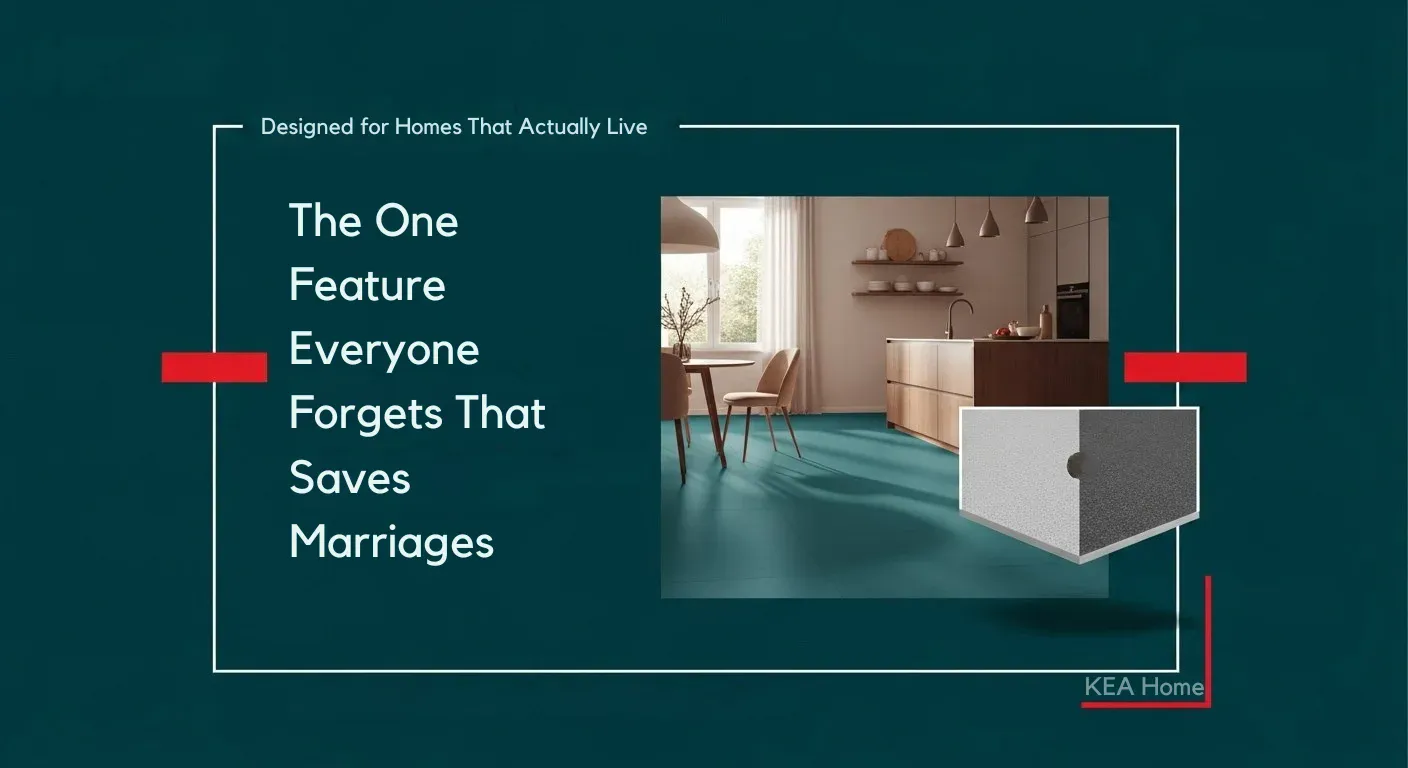
Listen up: get a matte or ultra-matte finish. Glossy floors show every footprint, crumb, and dog nose print. Matte finishes hide daily life and still look luxurious. I learned this the hard way after installing high-gloss in my own kitchen and wanting to cry every time the sun hit it.
How to Choose the Right Wood Species for Food Messes
White oak → Takes stains like a champ and hides red wine better than anything. Hickory → Super hard, crazy grain hides scratches, perfect if you drop cast-iron pans. Maple → Light color shows everything—avoid unless you’re a clean freak. Walnut → Gorgeous dark brown but soft; one high heel can dent it.
Installation Mistake That Will Haunt You Forever
Never glue down wide plank engineered in a kitchen bigger than 25 feet without expansion gaps. The floor will buckle and you’ll cry. Floating click-lock systems with 5G folds are now so strong that even pros use them in huge open kitchens. Do yourself a favor and pay extra for the better underlayment with attached vapor barrier.
Real Life Cost Breakdown
Budget friendly (still great): $6–8 per sq ft Mid-range (where most people should live): $9–13 per sq ft High end (you’ll never regret it): $14–22 per sq ft
Add $3–5 per sq ft for pro installation. Yes, it hurts, but cheap installers destroy expensive floors.
Maintenance That Actually Works
Only if you want to void your 30-year warranty. Best trick in 2026 Bona’s new Hardwood Floor Cleaner spray + their microfiber mop with the rotating head. Takes 5 minutes and your floors look brand new every time.
| Brand & Collection | Wear Layer | Plank Width | Water Resistance | Price Range (material only) | Best For |
|---|---|---|---|---|---|
| Kahrs Lux | 8mm | Up to 10″ | 72hr | $14–19 | Forever home, wide open spaces |
| Somerset Ultimate | 6mm | Up to 9″ | 72hr | $8–11 | Families on a budget |
| Monarch Plus | 7mm | Up to 12″ | 72hr | $13–18 | Design lovers |
| Hallmark Ventura Hydro | 4mm | Up to 9″ | Lifetime | $10–14 | Clumsy households |
| Provenza MODA | 5mm | Up to 10″ | 96hr | $15–22 | Hiding everyday chaos |
FAQs
Can engineered hardwood really go in kitchens now?
Yes! The best 2026 options handle standing water for days and look identical to solid hardwood.
How long does high-quality engineered hardwood last in a kitchen?
50+ years easily if you pick a 4mm+ wear layer and don’t abuse it with steam mops.
Is it cheaper than tile or luxury vinyl?
Material cost is higher than basic LVP, but installed cost is similar to mid-range porcelain tile and it adds way more resale value.
Final Thought
Choosing the right engineered hardwood for your kitchen and dining room isn’t just about picking a pretty plank it’s about finding a floor that can keep up with real life. With today’s advanced coatings, thicker wear layers, and rock solid core construction, engineered hardwood finally gives you that warm, natural wood feel without the constant “don’t spill that!” panic. Whether you lean toward hickory for its toughness, white oak for its timeless look, or one of the new waterproof hybrids for maximum peace of mind, the best choice is the one that fits how you actually live. Treat your floor well, clean it right, and it’ll reward you with decades of beauty, comfort, and the kind of quiet durability that makes your home feel effortless.
 Decor & Improvement Accessories