

Home & Decor Blogs: DIY, Interior Design & Lifestyle Ideas
Historic Home Renovation: Breathing New Life into Massachusetts’ Architectural Gems
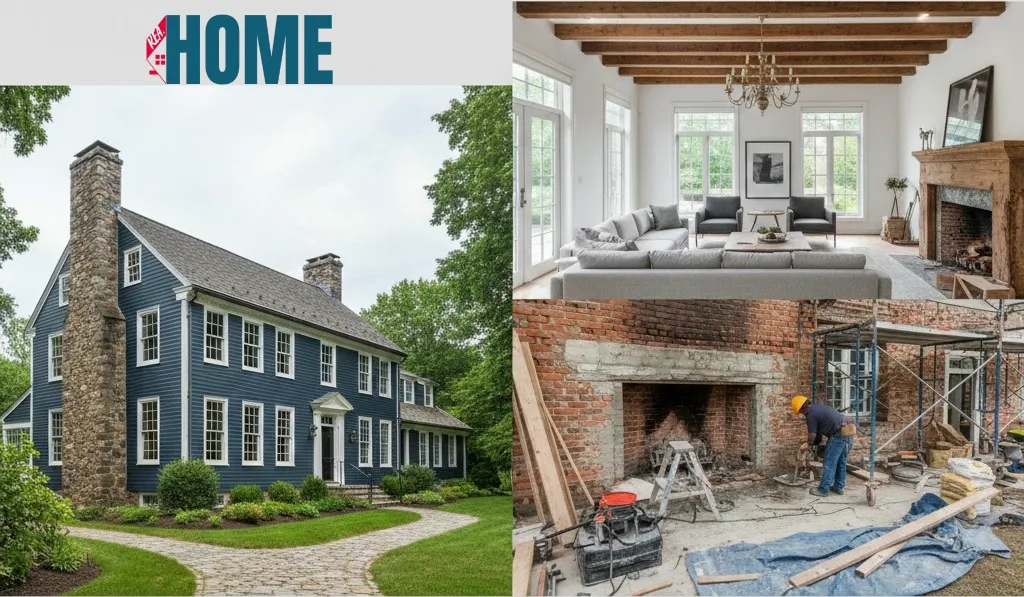
Renovating a historic home in Massachusetts can be a deeply rewarding endeavor, but it’s no small feat. The process of historic home renovation requires balancing the charm and character of the past with the modern comforts and functionality that today’s homeowners need. With its rich architectural history.
Massachusetts is home to a variety of historic properties, each with unique design challenges and preservation concerns. Whether you’re restoring a Colonial-era farmhouse, a Victorian brownstone, or an early 20th-century bungalow, this guide will help you navigate the complexities of historic home restoration, offering practical advice and tips from local experts.
Initial Planning and Challenges in Historic Home Renovation
Before diving into the renovation process, it’s crucial to thoroughly plan out the project. Historic home renovations come with unique challenges, especially when dealing with older structures that require specific care and attention to detail. Let’s explore some of the initial considerations that will guide your renovation journey.
Understanding Local Regulations and Permits
Historic home renovations in Massachusetts are subject to specific local and state regulations. Many towns and cities, especially in areas with historic districts, have strict guidelines that govern how homes can be altered. Failing to understand these requirements early on can delay your project or lead to costly mistakes.
- Zoning and Historical District Restrictions: Some areas, particularly those designated as historic districts, may have strict guidelines on what can and can’t be changed.
- Preservation Easements: In some cases, homes may be protected by preservation easements, which restrict alterations to maintain the property’s historical value.
- Required Permits: Work on a historic home often requires special permits. A local historic preservation commission can guide you on what’s needed.
Budgeting for a Historic Home Restoration
Renovating a historic home is often more expensive than renovating a modern property, due to the cost of specialized materials and labor. Understanding the financial commitment upfront will help you avoid surprises along the way.
- High-Cost Materials: Recreating authentic historic materials (e.g., custom woodwork, hand-crafted masonry) can significantly raise costs.
- Unexpected Repairs: Older homes often hide structural issues like foundation problems or outdated plumbing that can surface as work progresses.
- Potential Tax Incentives: Massachusetts offers some incentives for historic property renovations, including tax credits, which can help offset costs.
Choosing the Right Renovation Approach
Depending on the condition of the property, your renovation approach will vary. Some homes may require complete restoration, while others may only need minor updates to preserve their historical integrity.
- Full Restoration: A historic home restoration project aims to return the home to its original state as closely as possible.
- Preservation Over Renovation: In some cases, the focus may be on preserving key elements while updating others to improve livability.
- Adaptive Reuse: For properties that are in good condition but need functional updates, an adaptive reuse approach may be best, preserving the structure while adapting it for modern needs.
Finding the Right Team: Contractors and Experts for Your Historic Home Renovation
Once you’ve mapped out your vision for your historic home renovation, the next critical step is assembling the right team of professionals. From expert contractors to historic preservation specialists, the right team will ensure that your renovation is both historically accurate and structurally sound.
Hiring Historic Home Restoration Contractors
A key element to successful historic home restoration is choosing the right contractor. Not every contractor is experienced in working with historic properties, so finding one who specializes in this area is essential.
- Experience with Historic Properties: Look for contractors who have a proven track record in historic home restoration.
- Knowledge of Preservation Laws: Your contractor should be familiar with local and state preservation laws to ensure compliance.
- References and Portfolio: Ask for references from past clients and examples of their work on similar properties.
Working with Historic Preservation Contractors
For a project to stay true to its historical roots, consider working with a historic preservation contractor who specializes in maintaining the original architectural elements.
- Expert in Materials and Techniques: These professionals have a deep understanding of historic building materials and techniques, ensuring that original features like masonry or woodwork are restored properly.
- Collaboration with Local Authorities: A historic preservation contractor is typically well-versed in navigating the permitting and inspection process with local historic commissions.
- Focus on Long-Term Integrity: These experts prioritize the longevity and structural integrity of your home’s original features
Masonry Restoration and Preservation
If your historic home includes original masonry work, such as brick, stone, or stucco, you’ll need a team that specializes in historic masonry restoration.
- Repointing Mortar: Over time, mortar between bricks or stones can deteriorate. Repointing ensures the structure remains sound and preserves the original aesthetic.
- Brick and Stone Replacement: When bricks or stones are damaged beyond repair, skilled masons can find matching materials for replacement.
- Weatherproofing: Protecting your masonry from the elements is essential, particularly in Massachusetts where winters can be harsh.
Key Design and Restoration Elements in Historic Homes
Designing and restoring the interior of a historic home requires an understanding of its architectural style, the history of the home, and the needs of the modern homeowner. Let’s explore some of the essential design and restoration elements to consider when renovating your historic property.
Preserving Historic Home Interior Design
The interior design of a historic home is often filled with unique features such as intricate woodwork, original fireplaces, and antique fixtures. Preserving these elements while making the space livable and modern is a delicate balancing act.
- Restoring Period-Appropriate Features: Focus on preserving or restoring original features like crown molding, hardwood floors, and fireplaces.
- Incorporating Modern Amenities: Integrate modern amenities like updated kitchens and bathrooms without disrupting the home’s historical appeal.
- Lighting and Fixtures: Choose period-appropriate lighting fixtures and hardware to maintain authenticity, while upgrading electrical systems for safety.
Historic Masonry Restoration for a Timeless Look
Masonry work is a key aspect of many historic homes, from stone foundations to brick facades. Maintaining or restoring these features is crucial for both the aesthetic and structural integrity of your property.
- Repairing Damaged Masonry: Old brick and stone structures often experience wear and tear that needs careful repair by skilled historic masonry restoration professionals.
- Matching Materials: When restoring masonry, it’s important to use materials that match the original as closely as possible to preserve the home’s integrity.
- Weather Protection: Given Massachusetts’ climate, weatherproofing masonry is crucial to protect your home from seasonal damage.
Final Thoughts: Preserving Massachusetts’ Architectural Legacy
Renovating a historic home in Massachusetts offers the opportunity to preserve the region’s architectural history while adapting the space for modern living. While the process can be complex and time-consuming, the result is a property that stands as a testament to the craftsmanship and style of a bygone era. With the right team of historic property renovation experts and a thoughtful approach to design, your historic home renovation will not only enhance the beauty of your property but also contribute to preserving the legacy of Massachusetts’ rich architectural heritage.
FAQs
Historic homes often come with outdated systems, structural issues, and strict preservation regulations. It’s important to plan for potential surprises and work with experienced contractors familiar with local preservation laws.
Start by researching contractors who specialize in historic properties. Ask for references and check their previous work to ensure they have experience with the type of home you’re renovating.
Yes, updates can be made as long as they’re done thoughtfully. Focus on preserving key architectural features while making functional improvements like modern plumbing and electrical systems.
Look for a contractor who has experience working with historic materials and understands the nuances of maintaining structural integrity while preserving aesthetic elements.
Yes, Massachusetts offers state tax credits for the rehabilitation of historic properties. These credits can help offset some of the renovation costs.
Work with a local historic preservation contractor who is familiar with the rules and regulations. They can guide you through the permit process and help ensure your renovation adheres to all necessary guidelines.

 Decor & Improvement Accessories