

Home & Decor Blogs: DIY, Interior Design & Lifestyle Ideas
How Exterior Cleaning Actually Works: Methods, Rules, and What Baltimore County Properties Deal With

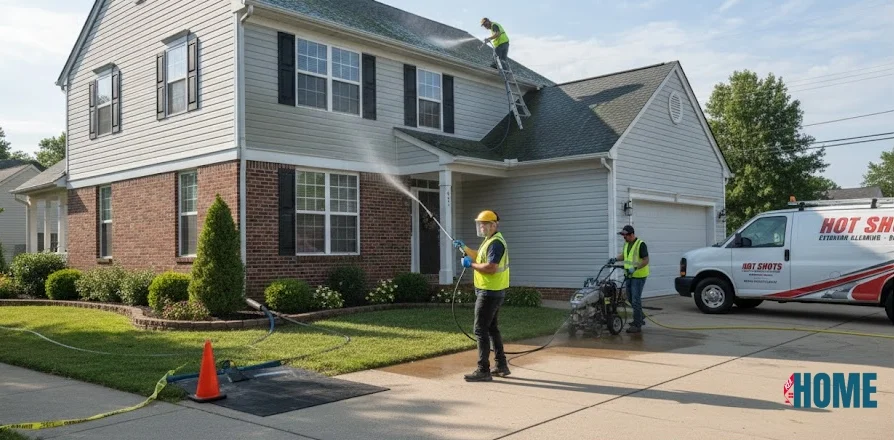
Exterior cleaning isn’t just pointing a hose at dirty siding. It’s become a proper trade – one that involves understanding materials, following environmental rules, and knowing when high pressure will help versus when it’ll rip vinyl right off a house.
Properties in Baltimore County, MD, pick up everything from spring pollen to winter deicing salts. Old rowhouses sit next to newer construction. Brick meets wood trim meets painted surfaces. Generic cleaning approaches don’t cut it here.
This breaks down how exterior cleaning actually functions – the technical side, the regulations, the seasonal stuff – without the marketing fluff.
Different Surfaces Need Different Approaches
Vinyl siding and concrete don’t respond to water pressure the same way. Hit vinyl with the force you’d use on a commercial parking lot, and you’re looking at cracked panels, moisture getting behind the material, maybe even voided warranties.
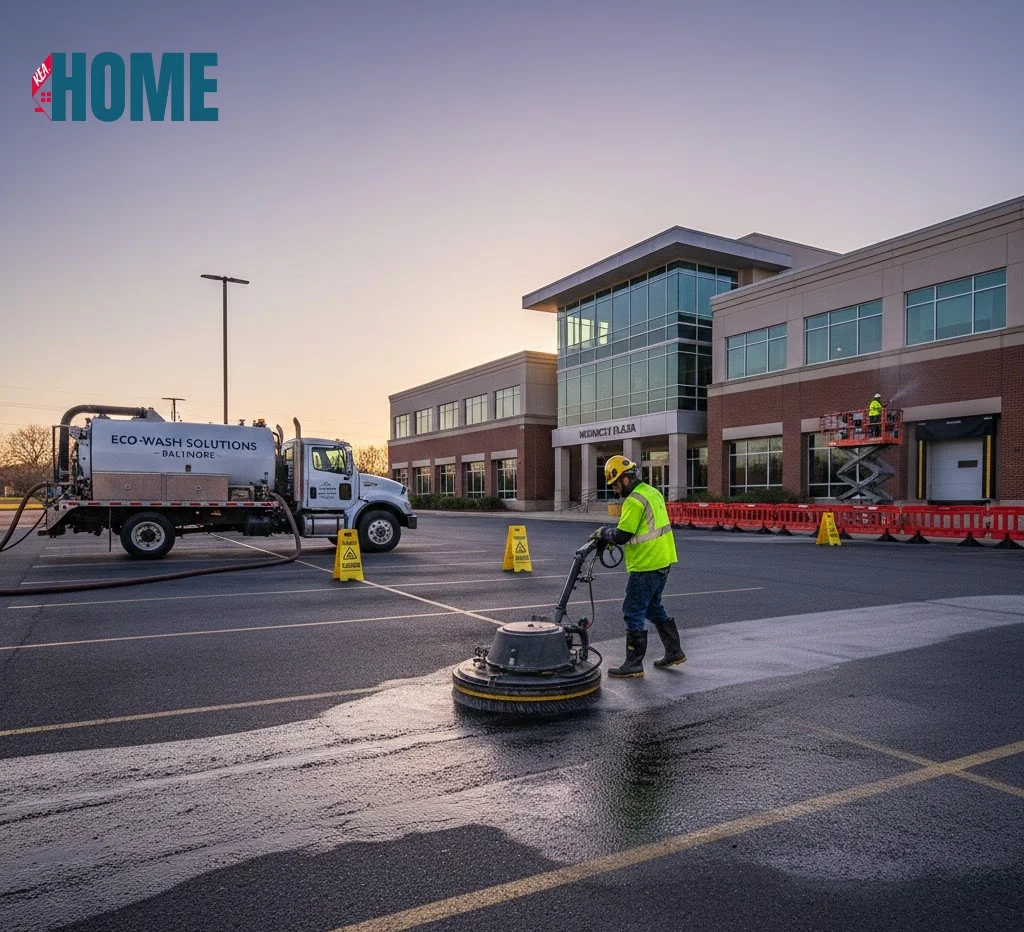
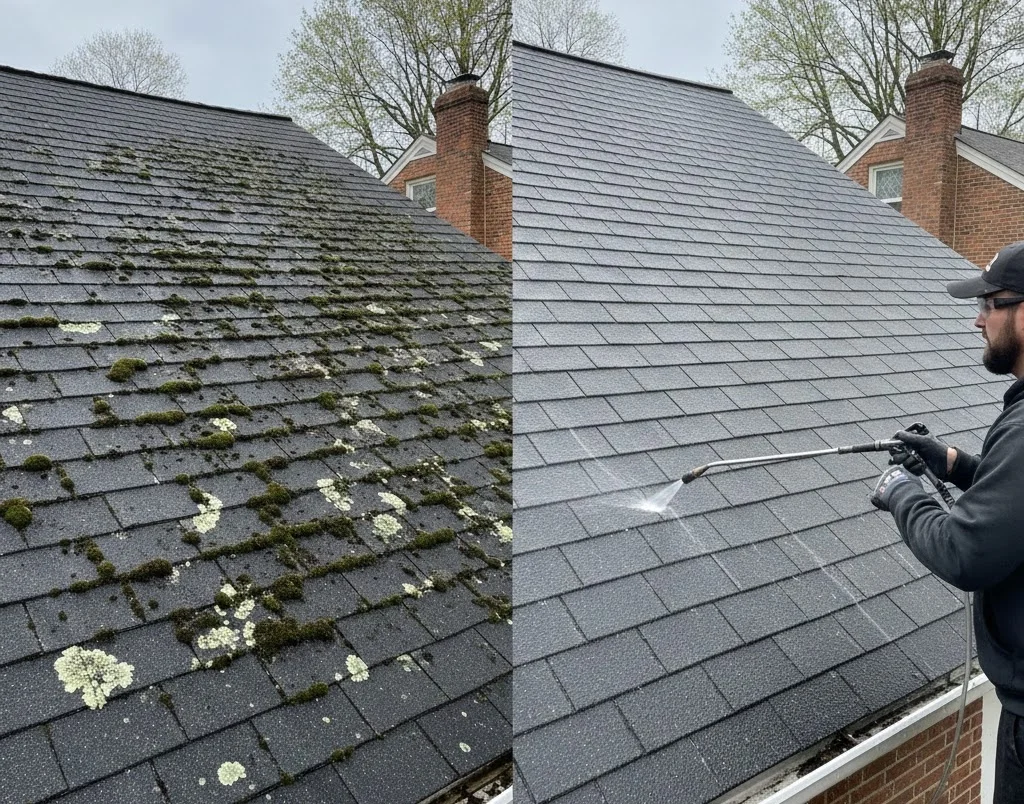
Soft washing runs between 60-100 PSI. That’s for delicate stuff – roofs, vinyl, anything where you’re dealing with organic growth like algae or moss. The cleaning agents do most of the work, not the force.
Pressure washing sits in the 1,500-4,400 PSI range. Concrete driveways, masonry, and surfaces that can handle it.
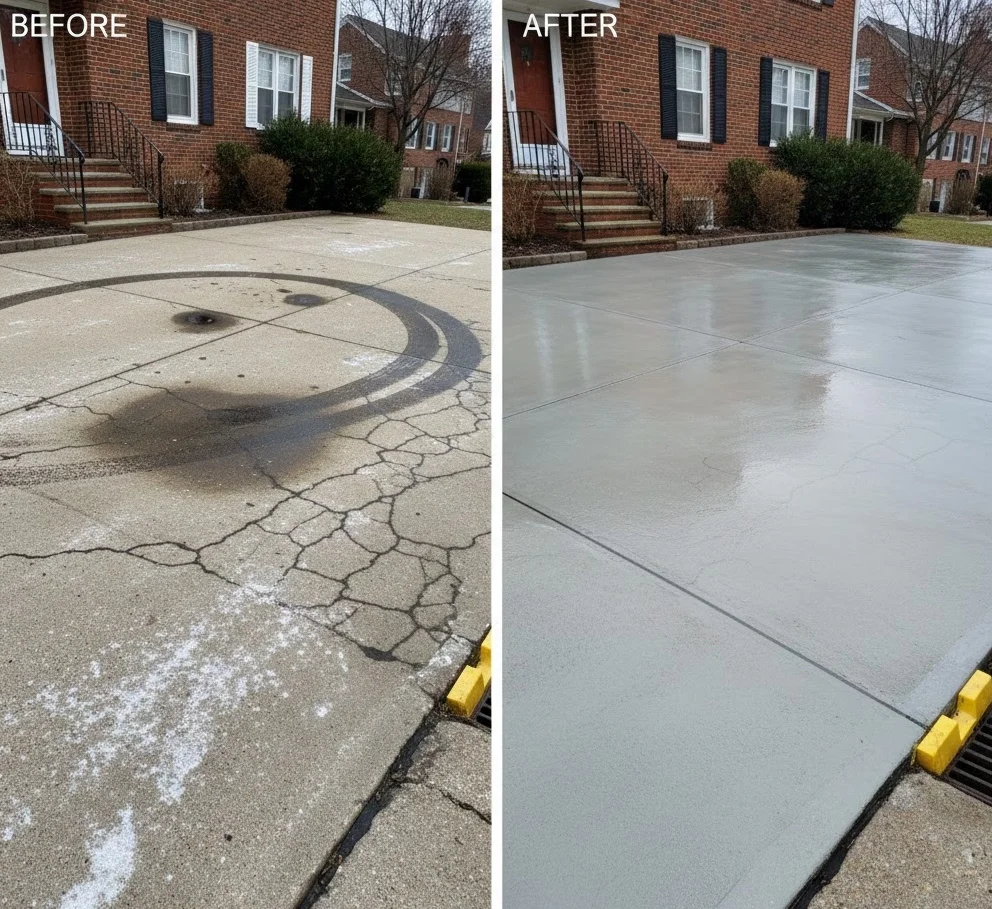
The difference matters. Professional pressure washing services run on-site inspections first – checking material composition, age, and what kind of grime they’re dealing with. Commercial sites might need 3,500 PSI at 220°F. A residential vinyl job needs maybe a tenth of that pressure with the right detergent and dwell time.
Mixed-material properties (which describe half of Baltimore County) require switching between approaches mid-job. Wood trim around brick windows, painted surfaces next to natural stone – each section gets treated according to what it actually is, not some universal setting.
Water Pressure and Flow Rate
Pressure gets all the attention, but flow rate matters just as much. Measured in gallons per minute, flow determines how effectively you’re actually rinsing contaminants away versus just blasting them around.
High pressure with weak flow can damage surfaces without removing deep-seated grime. Medium pressure with proper flow often works better.
Modern equipment lets technicians adjust pressure, flow, and spray angles on the fly. Useful when you’re moving from a concrete patio to adjacent wood decking in the same job.
Detergents and Environmental Rules
Exterior cleaning uses detergents formulated for specific problems – algae, mold, grease buildup, and pollution residue. They’re applied, given controlled dwell time to break down contaminants, then rinsed. This reduces how much mechanical force you need.
Maryland has strict rules about where that rinse water goes. Under the Clean Water Act and EPA guidelines, pressure washing wastewater can’t just flow into storm drains. It ends up in Chesapeake Bay watersheds otherwise.
Compliant operations use:
- Biodegradable detergents (sodium hypochlorite for mold, for instance)
- Runoff containment and diversion to sanitary sewers or grass areas
- Filtration systems that capture solids and oils
- Pre-wetting plants and diluting any chemical contact
Ignoring this isn’t just environmentally problematic – it’s a quick way to get fined. Baltimore County falls under the stormwater management mandates that exterior cleaning providers have to follow.
Seasonal Timing in the Mid-Atlantic
Each season creates different cleaning challenges here:
Spring brings pollen accumulation and algae growth, picking up as temperatures rise. Soft washing works best once it’s consistently above 50°F – cleaning agents perform poorly in cold.
Summer humidity accelerates organic growth on shaded surfaces. Scheduling needs to account for drying time.
Fall means leaf litter, and the window before freezing temperatures is when deck sealing and pre-winter cleaning make sense.
Winter leaves behind deicing salt residue on concrete and hardened grime. Cleaning in freezing conditions creates slip hazards from ice formation, so most exterior work pauses until temperatures rise.
Baltimore County properties cycle through all of this. Cleaning schedules that ignore seasonality end up either ineffective or damaging.
Safety Standards
The equipment used in exterior cleaning can cause serious harm. Pressure washers aren’t toys – high-pressure water jets cause lacerations, infections requiring medical treatment, and in severe cases, amputations. U.S. emergency rooms see thousands of pressure washer injuries annually.
Other hazards: slips on wet surfaces, chemical burns from concentrated detergents, electrocution risk without proper GFCI protection, and carbon monoxide buildup when running gas-powered equipment in enclosed spaces.
Standard safety measures include:
- PPE meeting OSHA requirements – eye protection to ANSI Z87.1 standards, chemical-resistant gloves, waterproof boots, face shields for certain applications
- Site barriers keep bystanders clear
- Equipment inspection before each job
- Training on ladder safety and harness use for elevated work
- Never operate where runoff will freeze into slip hazards
This isn’t optional. It’s how professional operations avoid injuries and maintain consistent results across different property types.
Residential vs. Commercial Work
| Aspect | Residential | Commercial |
|---|---|---|
| Typical surfaces | Siding, roofs, patios, driveways, decks | Public sidewalks, business hours, and loading schedules |
| Job duration | 2-3 hours for standard house wash | Variable – often requires off-hours scheduling |
| Coordination | Homeowner availability | Property managers, tenant notification, pedestrian safety planning |
| Pricing range | $250-$300 starting, house washing $300-$2,000 depending on square footage, roofs $0.30-$0.45/sq ft | $1,500+ starting, scaled by surface area and access complexity |
| Access issues | Landscaping, fencing, pet areas | Public sidewalks, business hours, loading schedules |
Commercial properties need logistical planning that residential jobs don’t. Working around business operations, managing pedestrian traffic, and ensuring surfaces are dry before foot traffic returns. Properties facing public sidewalks in Baltimore County’s mixed-use areas require coordination with property managers to avoid liability issues.
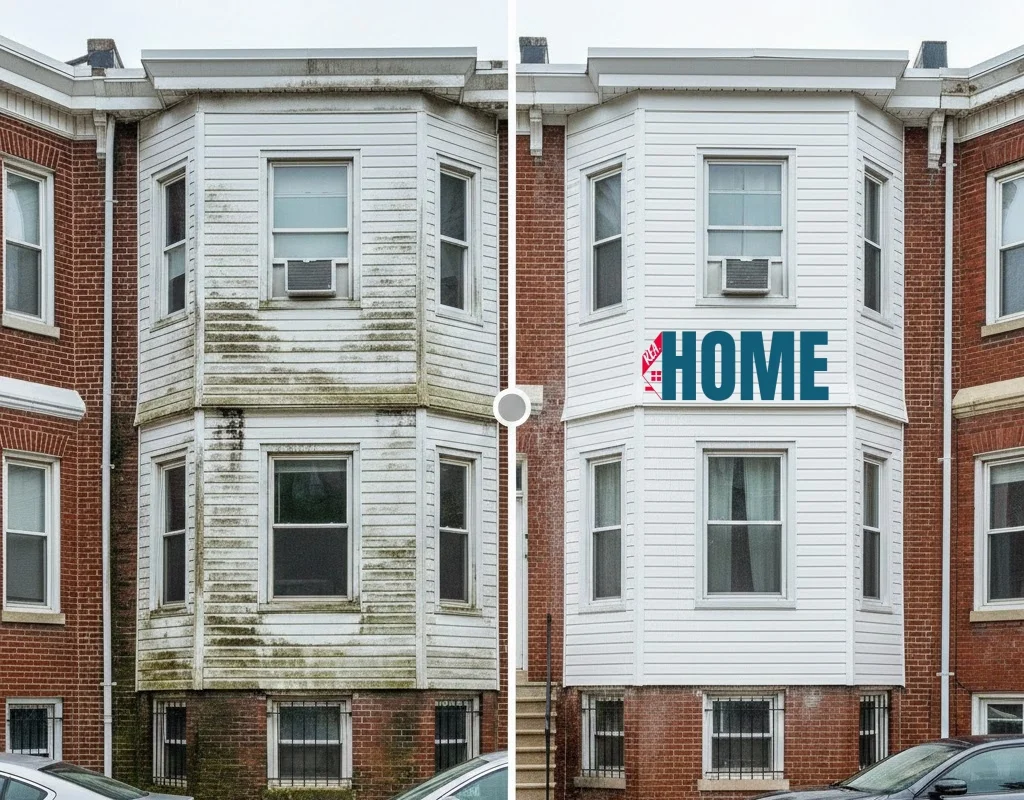
Residential work is more straightforward but still requires attention to manufacturer specs for different materials. A pressure washing services provider working on homes needs to know when soft washing protects a surface versus when it won’t get the job done.
What This Comes Down To
Exterior cleaning involves material knowledge, environmental compliance, weather awareness, and proper equipment handling. Baltimore County properties – with their mix of construction ages, materials, and exposure conditions – need approaches calibrated to what’s actually there.
The technical side matters more than most people realize. Surface evaluation, pressure calibration, detergent selection, and seasonal timing – these determine whether cleaning protects a property or damages it.
 Decor & Improvement Accessories