

Home & Decor Blogs: DIY, Interior Design & Lifestyle Ideas
How to Create a Mood Board That Actually Translates Into a Real Room Design

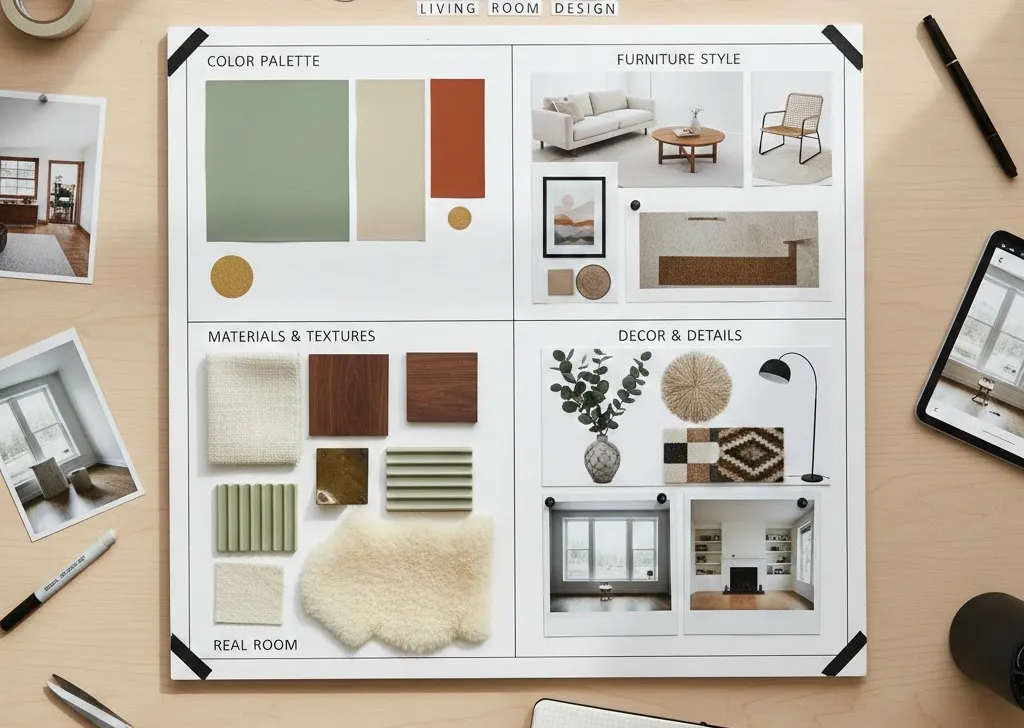
A mood board is not just a collection of images—it’s a tangible map that you make public about your entire room design. Most people make mood boards that look beautiful on a screen, but then completely crumble when it comes time to choose furniture, colors, and decor in real life. The trick is learning how to get from idea to expression.
In this guide, you’ll learn to make a temper board that actually works — the kind that makes it easy for you to sketch out a cohesive, functional, and beautiful room for you to actually bring to life. Whether you’re decorating a bedroom, dwelling room, home office, or even a studio, this information will help you make those alternatives in to an area that feels real, and you love.
What Is a Mood Board (and Why It Matters)?
A temper board is a visible series of images, colors, textures, materials, and thoughts that symbolize the feeling and path of a space. It helps you:
- Clarify your format style
- Avoid impulse purchases
- Keep your room cohesive
- Communicate thoughts in reality (to designers, contractors, or even yourself)
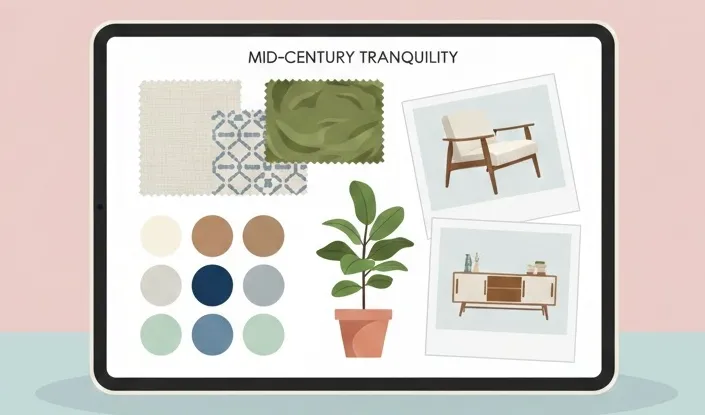
The problem? Many temper boards focus solely on aesthetics and omit real-world obstacles like space, budget, lighting, and availability. That’s why they don’t translate nicely into genuine room designs.
Let’s restore that.
Start With the Real Room, Not Pinterest
Before you acquire a single image, take an exact look at the room you’re designing.
Ask yourself:
- How huge is the room?
- What is the herbal mild like?
- What can’t be modified (windows, doors, flooring)?
- How will the room be used daily?
Measure the space, take photographs from one-of-a-kind angles, and be aware of any trouble areas. This step grounds your temper board in actuality and prevents thoughts that without a doubt won’t work in your space.
Pro tip: Include pics of your real room in your temper board. This maintains you centered on what’s possible.
Define the Mood in Words First
Before visuals, outline the feeling you want the room to have. Use 3–5 descriptive phrases such as:
- Cozy
- Calm
- Modern
- Earthy
- Luxurious
- Playful
These words end up in your filter. If a photo doesn’t suit your chosen mood, it doesn’t belong on the board—no matter how distinctly it is.
This step by myself makes your temper board a way greater quality and intentional.
Collect Inspiration (But Be Selective)
Now you can begin gathering images—but with purpose.
Look for a proposal from:
- Interior diagram websites
- Instagram and Pinterest
- Magazines
- Hotels, cafes, or actual homes
When accumulating images:
- Focus on full rooms, now not simply close-ups
- Save snapshots that exhibit the fixtures’ layout
- Notice how hues and substances work together
Avoid including too many images. A sturdy temper board is focused, now not crowded. Around 15–25 snap shots is commonly enough.
Break Inspiration Into Categories
This is the place most humans go wrong. Instead of one random collage, arrange your temper board into clear sections:
1. Color Palette
Choose 3–5 most important colors:
- 1 dominant color
- 1–2 secondary colors
- 1–2 accent colors
Make sure these colorations work with your room’s lighting fixtures and present elements.
2. Furniture Style
Add photos of:
- Sofas, beds, tables, chairs
- Similar shapes and proportions to what your room can fit
Avoid outsized furnishings if your room is small, even if it appears attractive online.
3. Materials & Textures
Include:
- Wood tones
- Fabrics (linen, velvet, leather)
- Metals
- Stone or ceramics
Textures add depth and assist your room experience.
4. Decor & Details
This includes:
- Lighting fixtures
- Rugs
- Art
- Plants
- Mirrors
These small prints convey persona to your space; however, they must assist the ordinary mood—not overpower it.
Use Real, Buyable Items
To make your temper board translate into an actual room, substitute familiar proposal photos with true merchandise on every occasion possible.
For example:
- Instead of “a beige sofa,” add a unique couch from a store
- Instead of “gold lamp,” add an actual lamp with dimensions and price
This helps you:
- Stay within budget
- Understand scale
- Avoid last-minute sketch changes

Check Scale and Proportion
A stunning temper board can nonetheless fail if the furnishings doesn’t fit the space.
Before finalizing your board:
- Compare furnishings dimensions to your room measurements
- Make positive walkways and clearances are realistic
- Avoid too many cumbersome objects in one room
If something appears brilliant on the board, but doesn’t feel healthy physically, it doesn’t belong.
Edit Ruthlessly
Now it’s time to refine.
Remove something that:
- Doesn’t shape your temper words
- Doesn’t work with your room size
- Doesn’t fit your budget
- Feels like an “impulse add.”
Your remaining temper board has to experience calm, cohesive, and clear—not puzzling or overwhelming.
An exact test: If anyone else appeared at your board, would they right away apprehend the fashion and vibe of the room?
Turn the Mood Board Into an Action Plan
A temper board needs to lead to action, not take a seat, forgotten on your phone.
Turn it into:
- A buying list
- Colour information for paint and fabrics
- A reference for furnishings placement
- A guideline for decor items
Common Mood Board Mistakes to Avoid
- Collecting too many patterns at once
- Ignoring lights conditions
- Choosing the latest gadgets, without thinking about longevity
- Designing with finances in mind
- Copying a room precisely as an alternative to adapting it
Remember: suggestion ought to inform you, not manage you.
FAQs
Yes. Mood boards are for everyone. Focus on feelings, colors, and characteristics rather than “rules.” Simplicity works best.
Ideally, 3–5 colors. Too many colours can make the room seem chaotic and difficult to execute.
Digital boards are extra bendy and less complicated to edit. Physical boards can be useful for textures and cloth samples. Use what works for you.
If it consists of real measurements, genuine products, and considers your room’s lights and size, you’re on the proper track.
Final Thoughts
A temper board ought to be a bridge between creativity and reality—not simply a series of stunning images. When you begin with your actual space, outline a clear mood, remain organized, and use sensible elements, your mood board turns into an effective graph tool.
By following this process, you’ll not only create a temper board that appears good—you’ll create one that leads to a room you can confidently carry to life. Take your time, believe your vision, and remember: the best-designed rooms are the ones that sense proper for the humans dwelling in them.
 Decor & Improvement Accessories