

Home & Decor Blogs: DIY, Interior Design & Lifestyle Ideas
How to Improve Your Home Before Selling and Increase Property Value
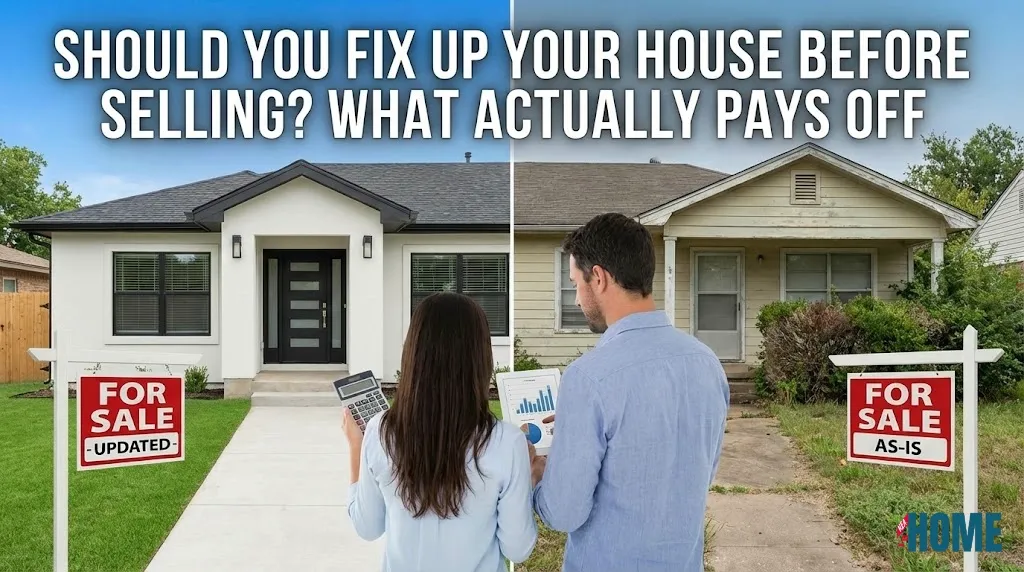
Selling your home brings up an awkward question pretty quickly: Do you pour money into improvements first, or list it as-is and hope for the best?
The honest answer depends on where you live, what shape your house is in, how much cash you have on hand, and how fast you need to sell. But here’s what most sellers get wrong – they assume every dollar spent on improvements comes back at closing. It doesn’t. Some projects return double what you put in. Others lose you money even though your home technically becomes “nicer.”
Kansas City’s market right now sits firmly in seller territory. Median home prices hover between $240,000 and $325,000, up around 4.9% from last year. Homes move in 23 to 57 days on average. About 39% of sales are cash deals, meaning investors and flippers are actively competing for properties. That context matters when you’re deciding whether to renovate or sell quickly.
What Return on Investment Actually Means
A thirty-thousand-dollar kitchen renovation sounds great until you realize it might only add twenty thousand to your sale price. You’ve spent money, your home is worth more on paper, but you’re walking away with ten thousand less than if you’d done nothing.
This trips people up constantly. Spending money on a house doesn’t automatically translate to getting that money back. The math can work against you, especially with big-ticket remodels in homes that don’t support high-end finishes.
Market conditions shift the equation, too. When inventory is low, and buyers are competing (like Kansas City right now, where 21% of homes sell over asking), you might not need extensive work to get strong offers. In slower markets with lots of listings, strategic updates help you stand out. Knowing which situation you’re in saves you from wasting money or leaving it on the table.
The Exterior Stuff That Actually Pays
Curb appeal isn’t just real estate agent talk. The front of your house sets expectations for everything inside. Buyers who pull up to an overgrown yard with peeling paint are already mentally discounting before they walk through the door.
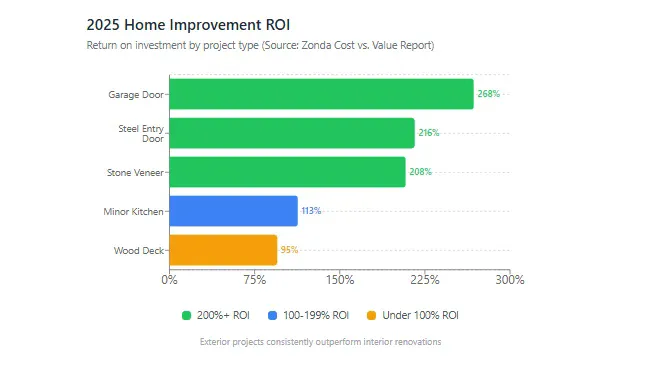
The 2025 Cost vs. Value Report tracked what homeowners actually recoup on common projects, and exterior upgrades dominate the top of the list:
| Project | Average Cost | ROI |
|---|---|---|
| Garage Door Replacement | $4,672 | 268% |
| Steel Entry Door | $2,435 | 216% |
| Stone Veneer Siding | $11,702 | 208% |
| Minor Kitchen Remodel | $28,458 | 113% |
| Wood Deck Addition | $18,263 | 95% |
A new garage door for under five thousand dollars returns nearly triple that in added home value. A steel entry door costs about $2,400 and more than doubles your money. Compare that to a minor kitchen remodel that costs almost thirty grand and barely breaks even.
The pattern is clear: relatively cheap exterior improvements outperform expensive interior renovations by a wide margin.
Beyond the big-ticket items, smaller landscaping work makes a noticeable difference without major expense. Trimming overgrown bushes, edging the walkway, fresh mulch in the beds, and some colorful plants near the entrance. These signals that someone has been taking care of the place, which makes buyers assume the rest of the house got the same attention.
Your front door deserves particular focus. Fresh paint in a color that actually welcomes people (not the faded beige that’s been there since 2008). New hardware – door handle, house numbers, maybe the mailbox if it’s seen better days. If the door itself is beat up, replacing it ranks among the highest-ROI moves you can make.
Interior Updates Worth Doing
Paint delivers more bang for your buck than almost anything else inside the house. If your walls feature bold colors from a decorating phase you’ve moved past, or they’re scuffed and faded from years of life, fresh neutral paint transforms how spaces feel. Rooms look cleaner, brighter, bigger. Buyers can picture their own stuff in there instead of trying to mentally paint over your burgundy accent wall.
Material costs stay modest. Time and labor are the real investments. But the impact punches way above its weight class.
Kitchens and bathrooms matter to buyers more than any other rooms – everyone knows this. But full renovations in these spaces rarely return their cost when you’re selling. The better approach: refresh without gutting.
For kitchens, that means painting or refacing cabinets instead of ripping them out. Swap the hardware on drawers and doors. Replace that dated brass light fixture with something from this decade. Make sure appliances are clean, and everything works. Countertops only need replacing if they’re genuinely damaged or so outdated they hurt the room – and even then, expensive stone in a modest house often represents over-improvement you won’t recover.
Bathrooms follow the same logic. New faucets where the old ones are corroded or dripping. Updated lighting. Fresh caulk around the tub and sink (yellow, cracked caulk screams neglect). Clean grout or re-grout if it’s beyond saving. Fix cracked tiles. But a complete bathroom gut-job? Unless what’s there is truly unusable, you’re probably spending money you won’t see again.
Maintenance Problems You Can’t Ignore
Cosmetic stuff helps your house show well. But actual maintenance issues – things inspectors will flag and buyers will use as negotiation leverage – matter more for protecting your sale price.
Roof condition tops the list. Buyers and their inspectors look there first. A roof near the end of its life or showing visible damage creates immediate concern. You don’t necessarily need a full replacement before listing, but knowing the condition and being prepared to address buyer worries keeps deals from falling apart.
The same goes for HVAC, plumbing, and electrical. Have professionals evaluate anything that seems questionable. You need to know what you’re dealing with, even if you decide not to fix it preemptively. Surprises during inspection tank negotiations.
The smaller stuff adds up, too. Leaky faucets. Doors that won’t close right. Windows that stick. Loose handrails. A running toilet. Individually, these seem minor, but collectively, they paint a picture of a house that hasn’t been maintained. Buyers start wondering what else might be wrong that they can’t see. Spending a weekend addressing these small repairs demonstrates you’ve taken care of the place.
When Fixing Up Doesn’t Make Sense
Sometimes the smartest move is skipping improvements entirely.
If you’re dealing with a tight timeline – job relocation, financial pressure, family situation that requires a fast move – the months spent planning and executing renovations might not align with your reality. Every month you spend on improvements means another month of mortgage payments, property taxes, insurance, and utilities. Those carrying costs eat into whatever benefit the improvements might bring.
If your house needs work beyond minor cosmetic updates and basic repairs, the math gets harder. Major structural issues, outdated systems throughout, homes requiring comprehensive renovation – bringing these to “market-ready” condition can cost more than you’d reasonably recover in the sale.
In Kansas City, where cash buyers represent nearly 40% of transactions, selling as-is to companies like Huck Buys Homes offers an alternative path. No repairs, no contractor headaches, no carrying costs while you wait for work to finish. You skip the improvement question entirely and move forward with your sale on your timeline.
This isn’t giving up. It’s recognizing that different situations call for different strategies. If you lack capital for improvements, don’t have the bandwidth to manage renovation projects, or just want to avoid the stress and uncertainty, direct sales to cash buyers make practical sense.
Making the Call
Think about your home’s price point and what buyers at that level expect. A starter home doesn’t need luxury finishes. A property in a higher bracket might require more comprehensive updates to compete.
Look at your competition. What are other homes in your area offering at similar prices? What condition are they in?
Budget realistically, including contingency for the unexpected costs that always show up during home projects. Get multiple quotes. Don’t assume you can handle major DIY projects unless you genuinely have the skills – poor quality work done by inexperienced homeowners can decrease value rather than increase it.
Factor in time. Some improvements wrap up in a weekend. Others drag on for months. Permitting requirements can extend timelines significantly on bigger projects.
Moving Forward
Strategic improvements – curb appeal, fresh paint, minor repairs, addressing obvious maintenance issues – typically deliver the best returns. Major renovations and over-improvements relative to your home’s price point usually don’t pay off at sale time.
The goal isn’t creating your dream home. It’s presenting a clean, well-maintained property that lets buyers picture themselves living there. Sometimes less is more.
And sometimes the right decision is skipping improvements entirely for a faster, simpler sale. If that’s where you land, Huck Buys Homes can help you close quickly and move on – no repairs, no fees, no waiting.

 Decor & Improvement Accessories