

Home & Decor Blogs: DIY, Interior Design & Lifestyle Ideas
Modern Bathroom Renovations That Actually Boost Home Value
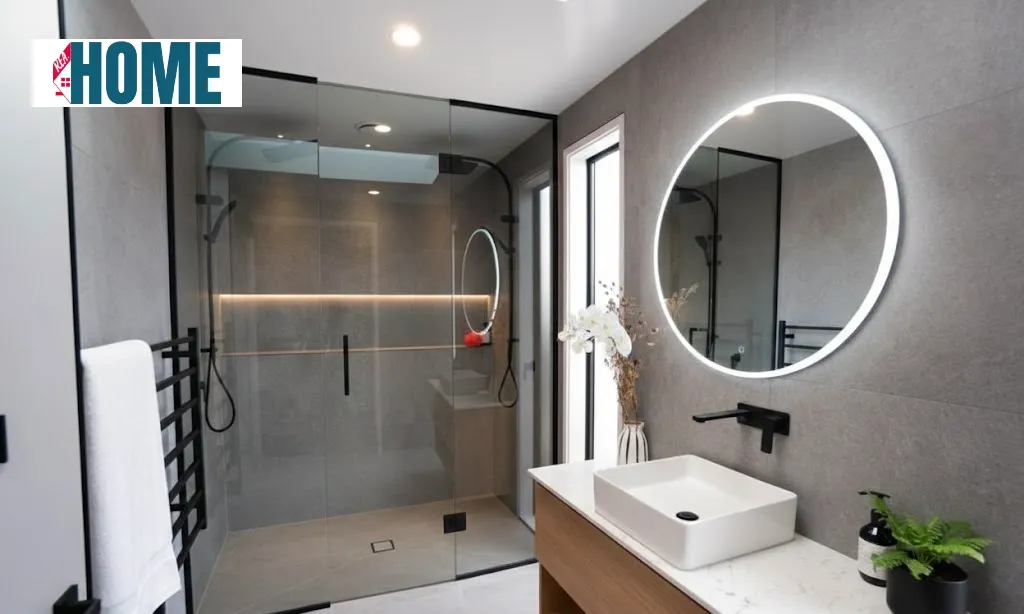
That moment when you step into your bathroom, and it looks like it magically aged ten years overnight? The grout’s gone grey, the vanity is peeling around the edges and the shower still has a permanent haze that no amount of scrubbing will budge. The vast majority of people don’t renovate because they’re inspired. They do it because something finally looks so bad it is driving them insane, and they can’t stand it anymore.
Thing is: bathrooms are one of the few rooms that actually make cents to spend money on for resale. The average midrange bathroom remodel costs around $16,500 in 2026, and you’ll recoup 65-80% of that when you sell — or about $10,700 to $13,200.
You don’t have to tear everything down. Lucky for you, the space doesn’t need a gut renovation to make it feel more like home and boost what a buyer would pay for the listing.
| Upgrade | Average Cost (2026) | Typical ROI | Value Added |
|---|---|---|---|
| Shower replacement | $8,000–$12,000 | 70–85% | $5,600–$10,200 |
| New vanity | $2,000–$5,000 | 70–80% | $1,400–$4,000 |
| Lighting and flooring | $1,000–$3,000 | 75%+ | $750–$2,250 |
| Full midrange remodel | ~$16,500 | 65–80% | $10,700–$13,200 |
Start With the Shower — It’s What People Notice First
The shower eats up more visual space than anything else in most bathrooms. It’s also what people immediately picture themselves using, which is why a grimy tub-shower combo from 2008 can kill the vibe of an otherwise decent room.
Ripping that out and putting in a frameless walk-in shower is probably the single highest-impact change you can make. Curbless designs with large-format tiles are everywhere right now, and for good reason — fewer grout lines mean less scrubbing, the seamless look makes the room feel bigger, and they work for everyone regardless of age or mobility. Throw in a built-in bench or a recessed niche, and you’ve basically got a spa setup without spending spa money.
Working with a reliable shower replacement company takes the guesswork out of sizing, materials, and finishes. A professional will also steer you away from trendy choices that look amazing now but feel dated in three years — which happens more often than you’d think with bathroom fixtures.
Expect to pay $8,000–$12,000 for a proper shower replacement, and you’ll see 70–85% of that come back at resale. For one upgrade, that’s a solid return.
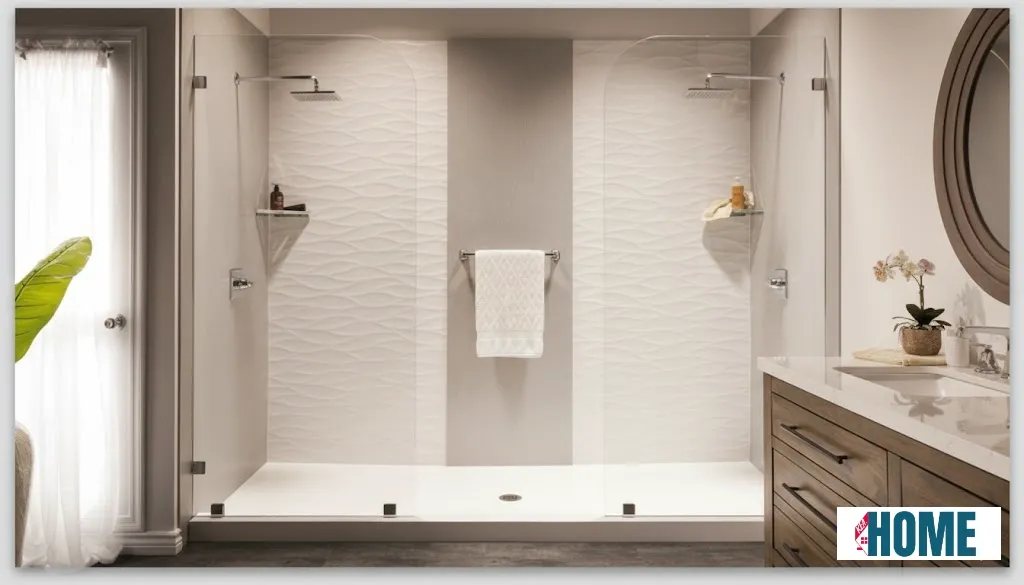
Your Vanity Is Doing More Heavy Lifting Than You Realise
Most people imagine of the vanity as basically a sink with a cabinet under it.” But it affects the mood for the whole room quietly — your finish, your countertop material, flung around hardware or sorteably nested within another night of morning chaos. Rough-appearing, a thing, nothing else in the room quite saves.
Floating vanities are the go-to for a reason. Instead of sitting the thing on the floor, mounting it to the wall frees up visible space underneath that makes the bathroom feel quite a bit larger in fact. Pair that with a quartz countertop — more than 39 percent of bathroom remodels feature quartz nowadays for its stain- and water-handling capabilities (and Mediterranean cool) without the fussiness of granite — and you have something that looks expensive, but not outrageously so.
Soft-close drawers are a weirdly effective detail. Nobody walks through a home viewing and say,s “oh lovely, soft-close mechanisms.” But the impression it leaves — that somebody cared about the details — absolutely registers. A decent vanity replacement runs $2,000–$5,000 with a 70–80% return.
Bad Lighting Ruins Good Renovations
This trips people up constantly. They’ll drop thousands on tile and fixtures, then preserve the one single overhead light that throws a hideous shadow over everything. The room ends up reading as flat and cheap, despite all the money invested in it.
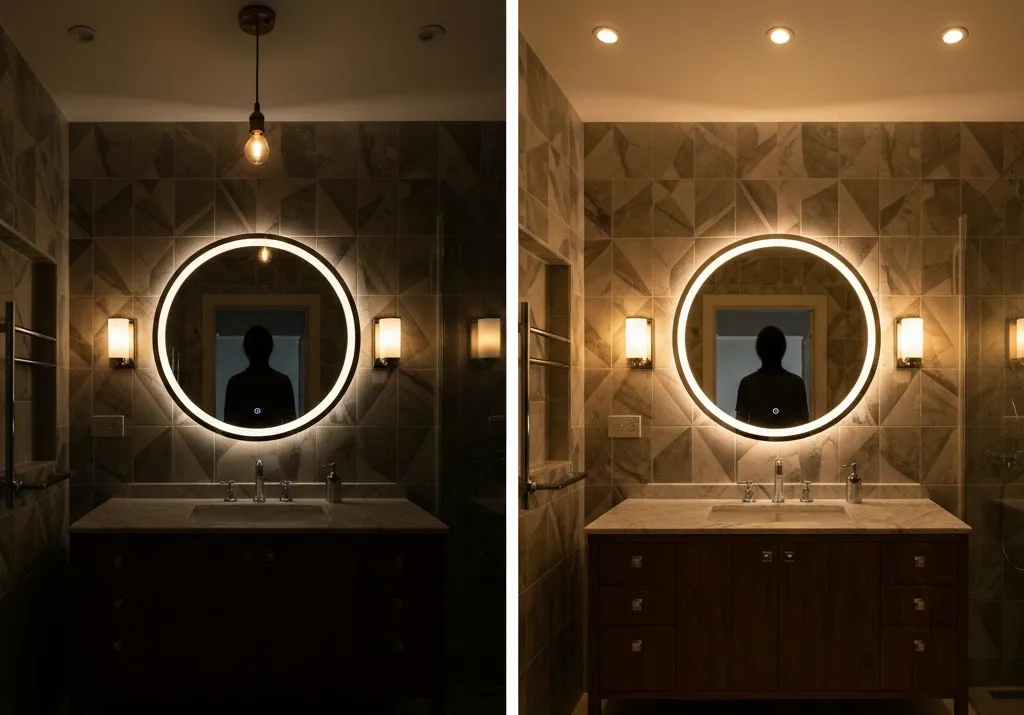
What does work is a combination: recessed ceiling lights for overall illumination, along with wall sconces, or a backlit mirror near the vanity, geared toward personal hygiene. Warm LEDs that are around 2700K make the room feel comfortable without the clinical bluish tint you often see with cooler bulbs.
LEDs also use about 75% less energy than the old incandescent stuff, which is the kind of running-cost detail that resonates with buyers even if they don’t consciously think about it.
The best part? Relighting a bathroom is cheap. You can do it for well under a thousand dollars in many cases, and the difference it makes — both in person and in listing photos — is way out of proportion to the cost.
Old Floors Drag Everything Else Down
You can have a beautiful shower, a new vanity and perfect lighting, and if the floor is cracked vinyl from 15 years ago, that’s what people are focused on. The floor is both the stage and the backdrop of the whole room, and when it’s off, nothing else quite lands.
Porcelain tile and luxury vinyl plank are the two most robust mediums at present. Porcelain is virtually impervious to water, can be crafted in styles that look quite convincingly like natural stone or wood and lasts for decades. LVP is squishy underfoot, less expensive to buy and install, and it still looks presentable — a good option if budget is squeezing.
Most designers are pushing for bigger tiles with thinner grout lines these days. The stark white-everything approach that has for years so dominated bathrooms is on the way out in favor of warmer neutral tones, a cleaner look and products that are easier to maintain,” Ms. Bronstein said.
Good flooring typically brings back 70%+ of its cost when you sell.
Where to Put All Your Stuff
Storage is one of the top needs in any bathroom, and really that’s the important thing that separates a room that works and one that just photographs well. When there’s no place to cram a towel and cleaning supplies, not to mention the seventeen half-empty bottles of shampoo we all seem to collect, it goes on the counter. Shoppers clock that clutter right away, and it shrinks the room in their head.
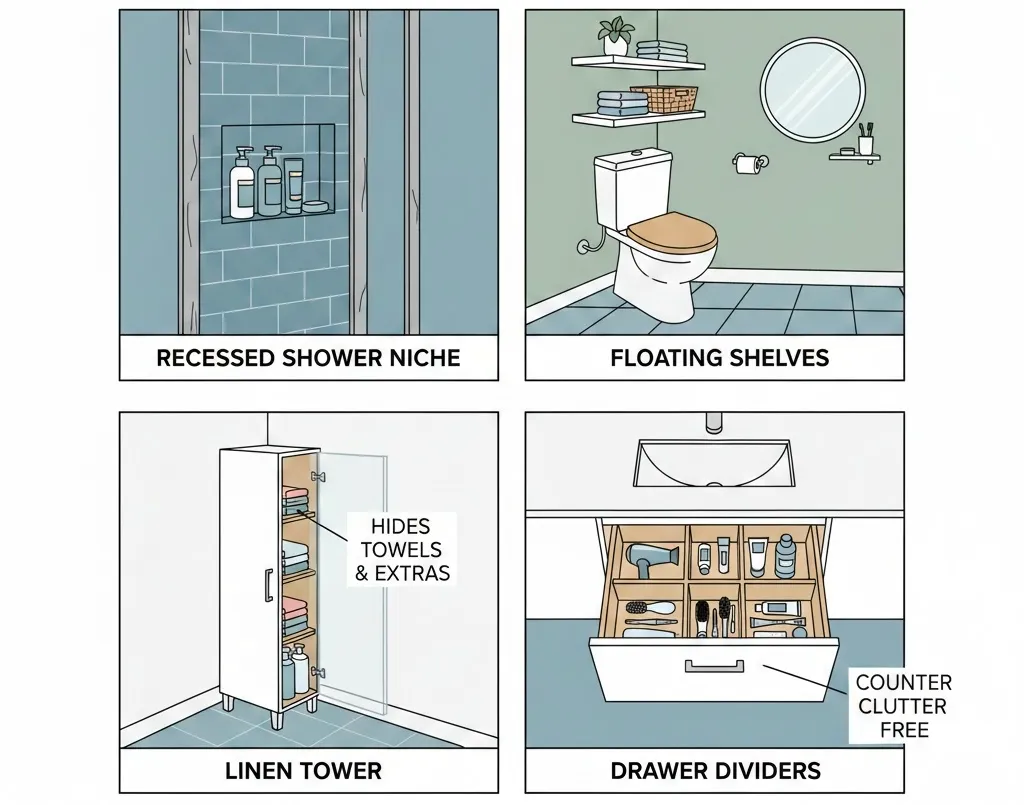
Some choices of how to include storage without creating a claustrophobic feel:
- Recessed shower niches — built into the stud cavity so they don’t steal any floor space
- Floating shelves above the toilet or beside the mirror — functional without feeling heavy
- A linen tower in a spare corner — hides towels and extras behind a door
- Drawer dividers in the vanity — sounds minor, but it keeps the counter clear which is half the battle
Individually, these are small spends. Together, they make a bathroom that handles real daily life, not just a staged open-house photo. Buyers aren’t just looking at your bathroom — they’re imagining their own routine happening in it. If the room can handle that mental test, it connects with people in a way that pretty tiles alone won’t.
Hardware, Paint, and the Stuff That Seems Too Small to Matter
Not every improvement needs a contractor. Swapping out an old faucet set, putting on new cabinet pulls, framing a builder-grade mirror, slapping on a coat of paint in a warm neutral — these are weekend jobs that shift the whole feel of the room.
Matte black and brushed gold are both popular hardware finishes right now. Either works, but pick one and stick with it across the faucet, towel bar, drawer pulls, and shower trim. Mixing metals deliberately can look sharp if you know what you’re doing, but more often it just looks like you bought whatever Home Depot had in stock that day.
When every small detail feels intentional, buyers assume the rest of the house got the same treatment. That assumption is genuinely worth money.
Don’t Overthink the Design
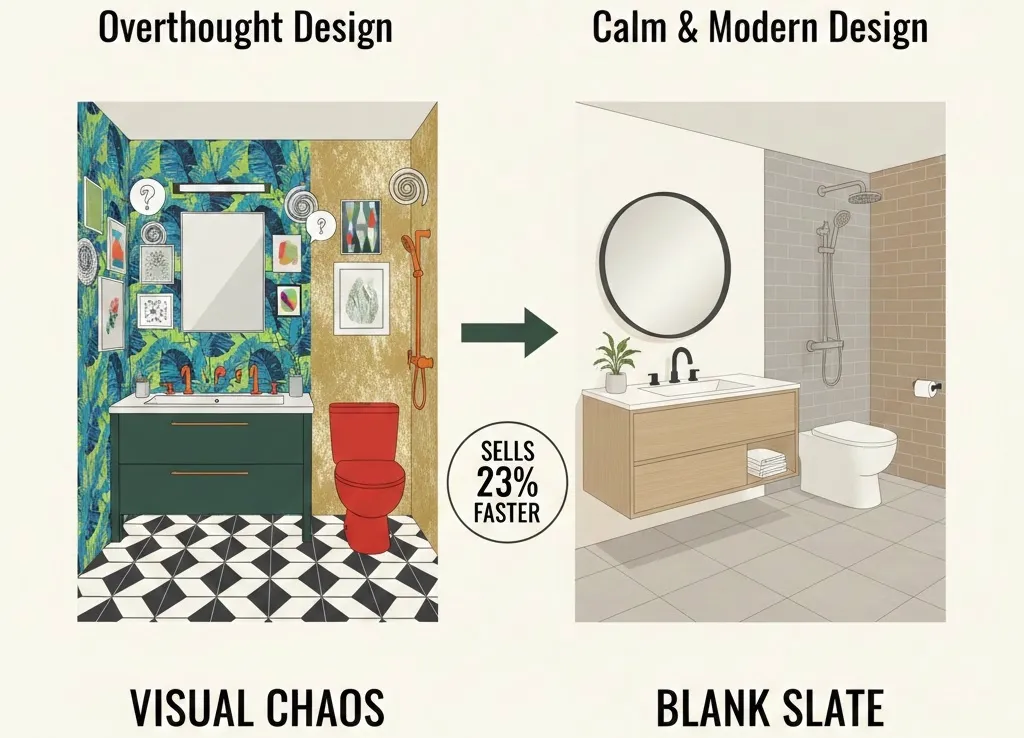
A bathroom that tries to do too much ends up feeling noisy. Bold patterned floor tile, a statement wall behind the vanity, coloured fixtures, and textured wallpaper might each look great on Pinterest individually. Stick them all in a 40-square-foot room, and you’ve got visual chaos.
Neutral palettes sell to more people. Warm greys, soft whites, natural wood tones, matte finishes — these create a room that feels calm and modern without being boring. The point is that a buyer walks in and pictures their own stuff in there, not yours. The moment they’re distracted by your bold design choices, you’ve lost them.
And the numbers back this up. Homes with updated bathrooms sell up to 23% faster than comparable ones with dated wet rooms. A big part of that is this exact thing — when the bathroom looks finished and neutral, nobody adds “bathroom reno” to their mental to-do list after purchase. That removes friction from the buying decision.
Water-Saving Fixtures Are a Quiet Win
This doesn’t get talked about enough. Low-flow toilets, aerated faucets, and WaterSense-certified showerheads cut water usage by 20–60%. That’s real money off the utility bill every month, and it’s something buyers — especially younger ones — increasingly pay attention to.
A dual-flush toilet is a few hundred dollars and pays for itself through reduced water bills over a couple of years. It won’t make the listing photo, but it quietly adds value that holds up long after the sale.

 Decor & Improvement Accessories