

Home & Decor Blogs: DIY, Interior Design & Lifestyle Ideas
Moving Long-Distance from Tampa? What You Should Know First
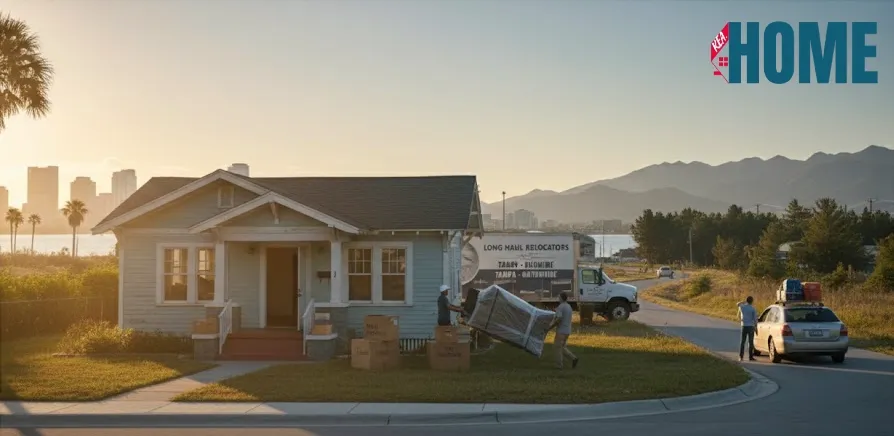
So you’re leaving Tampa. Job opportunity, family stuff, maybe you’re just done with the humidity and want mountains or seasons or whatever. Fair enough. But moving across state lines is a whole different beast from hauling your couch to an apartment across town.
Tampa sees a ton of people come and go. Growing city, coastal lifestyle, all that. Plenty of folks eventually pack up and head somewhere else. Doesn’t make it simple, though. Long-distance moves have more moving parts (pun intended), more ways to go wrong, and more costs that sneak up on you. Rush it and you’ll pay for it — sometimes literally.
Worth slowing down and thinking through the big stuff before you start taping boxes.
How Your Stuff Gets There
First question: who’s actually moving everything?
Local moves are easy enough. Rent a U-Haul, bribe friends with beer and pizza, done by dinner. Cross-country? Different story. Your belongings are sitting in a truck for days. Maybe over a thousand miles. Stuff shifts, weather happens, timing gets complicated.
Working with experienced long distance moving companies in Tampa takes a lot of that headache off your plate. They’ve got systems for packing fragile items, securing furniture so it doesn’t bounce around for three states, and actually showing up when they say they will. When something goes sideways — and something usually does — they’ve dealt with it before.
Book early. Like, way earlier than feels necessary. Eight weeks minimum, twelve if you can. Wait until a month out and you’re stuck with whoever’s left at whatever they want to charge.
The Money Part
People budget for movers and think they’re done. They’re not.
Where It Actually Goes
| Expense | Typical Range | What It Covers |
|---|---|---|
| Movers | $2,000 – $5,000+ | Distance, weight, packing help |
| Packing supplies | $100 – $300 | Boxes, tape, wrap |
| Travel | $200 – $800 | Gas, food, maybe a hotel |
| Temporary housing | $500 – $2,000 | If your new place isn’t ready |
| Storage | $100 – $300/month | Bridging the gap |
| Pet transport | $200 – $1,000+ | Especially flights |
| New utility deposits | $100 – $400 | Starting fresh accounts |
Average interstate move runs around $4,300 for roughly 1,000 miles according to the American Moving and Storage Association. But that swings a lot based on how much junk you’ve accumulated and how far you’re hauling it.
Build in a cushion. Something will cost more than expected. It always does.
When to Actually Move
Summer’s popular. Everyone wants to get settled before school starts. Makes sense.
Also means prices spike, movers book up, and your flexibility disappears. Moving in June? Hope you planned months ago.
Off-season (late fall, winter, early spring) usually means better rates and more options. Trade-off is weather. Driving through the Midwest in January isn’t fun. Moving out of Tampa in September puts you in hurricane season territory.
Check your route. Look at historical weather. Give yourself buffer days. Scheduling a move down to the exact hour with zero wiggle room is asking for problems.
Get Rid of Things First
Every pound you move costs money. Every box takes space in the truck.
That treadmill you haven’t touched in two years? Donate it. Kitchen gadgets still in the packaging? Gone. Clothes from three sizes ago? Let them go.
This takes longer than you’d think. Don’t try cramming it into the weekend before movers arrive. Start weeks early. Room by room. Make decisions when you’re not exhausted and panicking.
Important stuff — documents, medications, laptop, chargers, few days of clothes — stays with you. Not on the truck. If there’s a delay (happens more than you’d expect), you don’t want to be stranded without basics.
Know Where You’re Going
Moving somewhere you’ve never lived means everything’s unfamiliar at once. Overwhelming if you’re not prepared.
Do your homework before you get there. Neighborhoods, cost of living, commute times. Where’s the closest grocery store? Pharmacy? Hospital? Decent coffee?
Visit if you can swing it. Walk around, eat somewhere local, get a feel for things. Not always possible, but it helps. Google Street View works in a pinch.
Point is to have some anchors when you arrive. Knowing where to grab essentials on day one makes everything feel slightly less chaotic.
The Part Nobody Warns You About
Logistics are the easy part honestly. The hard part is leaving.
You don’t realize how many small routines you have until they’re gone. The coffee shop where they know your order. The neighbor who waves. The drive you could do half asleep. That stuff adds up to feeling at home, and you’re walking away from all of it.
Moving with family makes it more complicated. Kids might get weird about it — acting out or going quiet. Partners have their own friendships and routines they’re losing too. Not everyone processes change the same way or on the same timeline.
Preparing emotionally isn’t some soft extra thing. It’s practical. Adjustment takes months. Sometimes longer. Pretending you’ll hit the ground running without looking back just sets you up to feel worse when reality hits.
Paperwork Nobody Tells You About
New state means new bureaucracy. Fun.
Driver’s license needs updating — most states give you 30 to 90 days. Miss the window and there might be fines.
Vehicle registration, same deal. Different fees and timelines everywhere.
Voter registration if you want to actually vote where you live now.
Insurance gets tricky. Auto coverage requirements vary by state. Your current policy might not meet minimums where you’re headed.
Renting? Read the lease carefully. Security deposit rules, tenant protections, notice requirements — all different depending on the state.
Make a checklist. The number of things that need changing after a move is absurd, and forgetting one creates headaches months later.
Once You’re There
Boxes everywhere. Nothing’s where it should be. Natural urge is to unpack everything immediately and “get settled.”
Don’t. You’ll burn out before you’re halfway done and still have weeks of adjusting ahead.
Essentials first. Bedroom so you can sleep. Bathroom. Kitchen so you’re not living on takeout. Everything else can wait.
Small routines help. Morning walk around the block. Regular grocery trip. Tiny patterns that create some stability while everything else is still unfamiliar.
Say hi to neighbors when you see them. Small connections make a place feel less foreign faster than any amount of unpacking.

 Decor & Improvement Accessories