

Home & Decor Blogs: DIY, Interior Design & Lifestyle Ideas
Pairing Furniture and Abstract Art: Simple Rules That Always Help

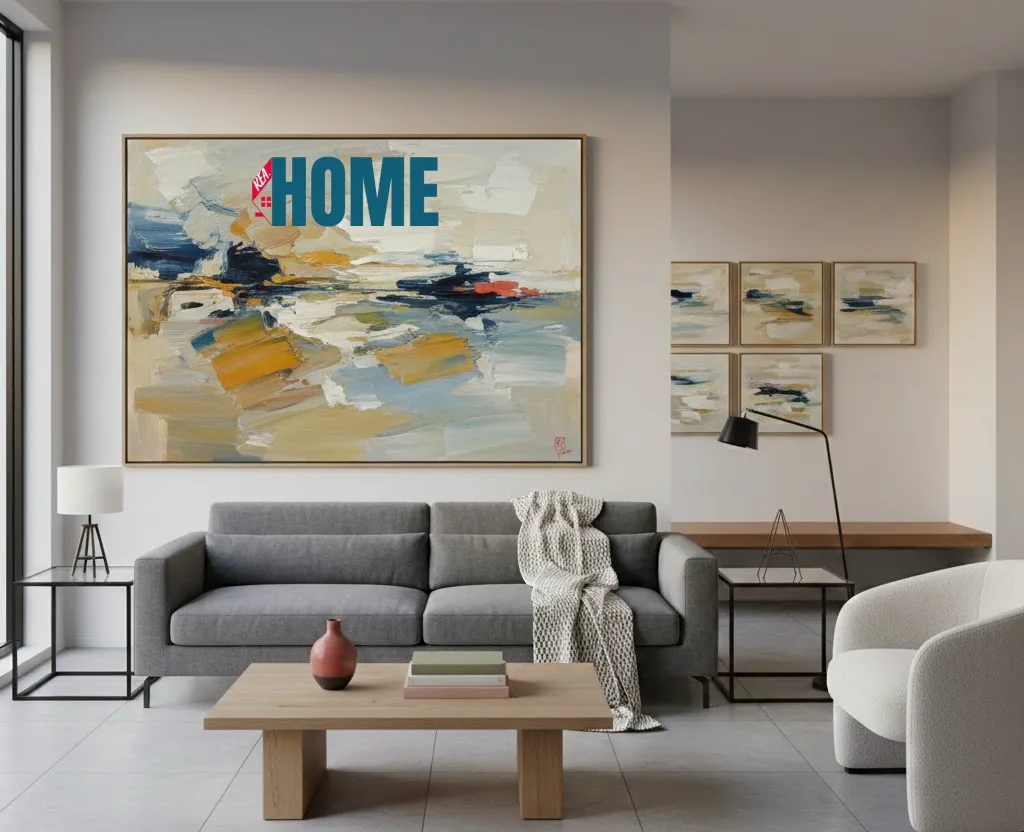
Homes often feel unfinished when the artwork and furniture speak in different visual languages. People sense the mismatch even when they can’t explain it. A room with thoughtful furniture choices gains a clear identity only when the artwork supports the mood, color rhythm, and structure already in place. Abstract oil pieces are especially good at doing this because they don’t rely on literal subjects.
Their strength comes from shape, gesture, balance, and texture. When these qualities align with the furniture, the room feels steady and intentional. When they clash, the space can feel scattered. This article breaks the process into clear steps that make pairing art with furniture far less confusing. The aim is not to dictate rigid formulas but to guide readers toward choices that feel natural, grounded, and visually confident.
Match the Mood, Not the Exact Colors
Rooms rarely fall apart because the art is “wrong.” Trouble usually starts when the furniture and artwork tell different emotional stories. People often focus too much on matching colors and forget that mood carries more weight. A room can hold contrasting shades without trouble, but it struggles when the energy of the artwork fights the character of the furniture. This section shows how to read mood through texture, shape, and tone, and how to let that guide pairing choices in a steady, practical way.
Look for Emotional Tone Before Color
Abstract pieces communicate through rhythm, pressure, and form. When furniture leans soft—light woods, rounded cushions, woven textures—art with gentle transitions and blended strokes usually feels right. Pieces with sharper edges or dramatic contrasts work better with structured furniture, strong silhouettes, or monochrome palettes.
Examples
- A serene living room with oatmeal linen seating works with washed blues, warm grays, and quiet brushwork.
- A modern space with black metal frames and clean-lined sofas pairs well with bold blocks of color or angular compositions.
Repeat Small Hints of Color Instead of Matching Large Areas
Matching big areas of color often creates stiffness. It pulls attention away from the art’s actual character. A better approach is to repeat a single tiny color from the piece somewhere in the room.
Simple ideas
- A small vase echoes a soft pink that appears once in the painting.
- A pillow with a thread of the same muted green found in a corner of the canvas.
- A stack of books in a related tone is placed on a coffee table.
These details act like quiet bridges rather than loud declarations.
Let the Furniture Materials Guide the Feel
Material choices tell their own story. Natural fabrics create warmth, metal reads crisp, leather adds weight, and glass introduces clarity. Choose art whose mood works with that behavior. For example, flowing brushstrokes soften strong materials, while structured artwork strengthens lightweight furniture.
Use Scale to Anchor the Space
Rooms often feel unsettled when the size of the artwork and the size of the furniture ignore each other. Scale shapes the entire visual order of a space. A canvas that’s too small above a wide sofa feels apologetic, while an oversized piece above a delicate console overwhelms. Using scale well doesn’t require formulas; it needs awareness of proportion and how the eye reads relationships. This section walks through practical ways to anchor rooms using abstract oil paintings in a balanced and confident way.
Let Proportion Set the Foundation
A simple guideline is that artwork should take up roughly two-thirds of the width of the furniture beneath it. This ratio keeps the wall from looking empty while preventing the piece from overpowering the furniture. It’s a starting point rather than a hard rule, but it gives structure when decisions feel uncertain.
When Smaller Works Better
Smaller art can shine when the furniture has strong detailing—carved wood, tufting, or vintage finishes. In these cases, the art should support the furniture instead of competing with it. A modest-sized canvas above a detailed dresser helps the furniture remain the main character.
When Larger Creates Presence
Wide, simple furniture often benefits from a commanding canvas. A long sofa with minimal lines gains strength when paired with one bold piece. The art fills the empty plane above the seating and brings direction to the room.
Think About Orientation
- Horizontal artwork stretches a space and settles it.
- Orientation steers the energy of a room.
- Vertical pieces add height and introduce lift.
A tall canvas behind a reading chair gives a cozy corner more purpose, while a wide piece above a low media console creates a relaxing balance.
Use Clusters Where a Single Piece Feels Wrong
When a single canvas doesn’t fit the scale you need, a cluster of small pieces can solve the problem.
Practical groupings
- Three small canvases hung in a straight row above a dining bench.
- A set of two stacked vertically beside a tall lamp.
- Four pieces arranged in a square near a study desk.
Clusters create structure without needing one oversized piece.
Let Texture and Shape Do Some of the Work
Texture often gets overlooked when people choose art, even though it plays a big part in how a room feels. Abstract oil work carries physical depth that interacts with furniture finishes, natural light, and movement in the space. Shape matters, too. The curves or edges in furniture influence what kind of composition feels grounded. This section explains how to notice these details and use them to strengthen the relationship between furniture and artwork so a room feels steady rather than scattered.
Texture Adds Depth and Helps Balance Materials
Oil paint has body. Thick strokes catch the light, while smooth surfaces stay calm. When paired well, they enrich the room without drawing excess attention.
Texture pairings that work
- Rough textures with natural woods create warmth and subtle movement.
- Smooth canvases with metal or lacquered furniture bring clarity and order.
- Mixed textures support eclectic spaces anchored by varied materials.
Shape Should Support the Furniture’s Geometry
Abstract compositions rely on shape as much as color. Look for works whose forms speak to the furniture’s outline.
Examples
- Rounded brushwork softens boxy seating and gives the room a gentle flow.
- Angular lines strengthen modern interiors and echo sharp silhouettes.
- Sweeping arcs pair well with curved chairs or sculptural lighting.
The aim is to let art and furniture speak the same design language.
View the Painting From Different Distances
Texture behaves differently depending on how far away the viewer stands. Close up, it offers detail. From across the room, it becomes part of the room’s rhythm. Before hanging a piece, step back and watch how the surface interacts with daylight and artificial lighting. This small habit helps avoid surprises and gives the artwork a chance to settle into the space naturally.
Conclusion
Pairing art and furniture works best when guided by mood, proportion, and thoughtful texture. Rooms come together when the artwork supports the character already shaped by the furniture. Larger or smaller pieces, quiet or bold canvases, and textured or smooth surfaces all play a part. None of these choices require rigid formulas. They simply ask for awareness of how each element affects the whole. When handled with care, abstract pieces bring steadiness, clarity, and a sense of unity to any room.
 Decor & Improvement Accessories