

Home & Decor Blogs: DIY, Interior Design & Lifestyle Ideas
Skip the Renovation: When Selling Your Home As-Is Makes More Sense
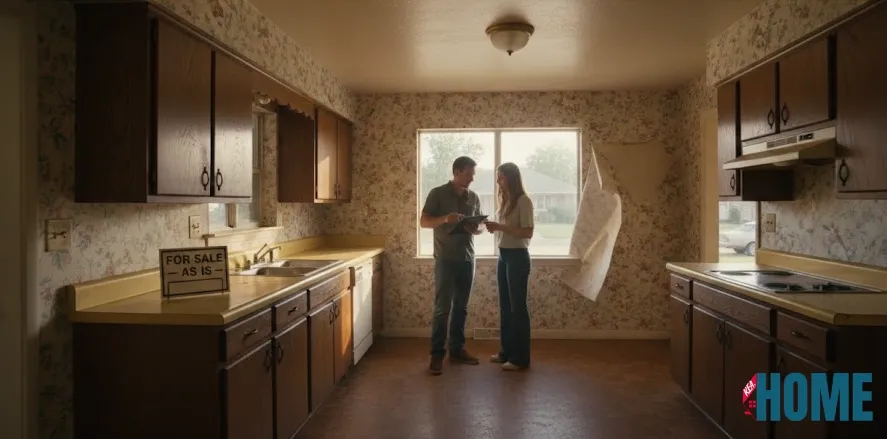
Every real estate article you’ll ever read says the same thing: renovate before you sell, and you’ll make more money. And sure, that’s true sometimes. But it’s not some universal law of homeownership. Plenty of sellers pour money into renovations and never see that cash again. Others skip the whole thing, sell as-is, and walk away without regrets.
The question isn’t whether renovations add value. Sometimes they do. The question is whether your renovation, on your house, in your neighborhood, right now, will actually pay off. That calculation is more complicated than most people realize.
The Numbers Aren’t What You Think
Real estate agents love throwing around ROI percentages. Kitchen renovations return 80%. Bathrooms give you 70% back. These figures come from legitimate sources—the annual Cost vs. Value Report published by Remodeling Magazine and Zonda tracks this stuff every year across 28 different project types in over 100 US markets.
But here’s where it gets interesting. The 2025 report shows a minor kitchen remodel returning about 96% nationally—costs around $27,500 and adds roughly the same back at resale. Meanwhile, a major upscale kitchen remodel? That one costs around $158,500 and returns just 38%. You’re losing money the fancier you go.
The real standout is garage door replacement. A new garage door costs somewhere around $4,500 to $5,800, depending on your market, and the 2025 report shows it returning 268% of that investment at resale. That’s not a typo—it’s the highest-returning project in the entire report, and it has been for two years running.
The lesson? Small exterior improvements beat big interior projects almost every time. Eight of the top ten ROI projects in 2025 were exterior replacements. Curb appeal apparently matters more than that Italian marble backsplash you’ve been eyeing.
Renovation Cost vs. Value Estimate
| Project Type | Typical Cost | Value Added | ROI |
|---|---|---|---|
| Garage Door Replacement | $4,500–$5,800 | $12,000+ | 268% |
| Steel Entry Door | $2,400 | $5,200 | 216% |
| Manufactured Stone Veneer | $11,000 | $23,000 | 208% |
| Minor Kitchen Remodel | $27,500 | $26,400 | 96% |
| Major Mid-Range Kitchen | $80,000 | $40,000 | 50% |
| Major Upscale Kitchen | $158,500 | $60,000 | 38% |
| Primary Suite Addition | $150,000+ | $75,000 | ~50% |
The Neighborhood Ceiling Problem
This is where people really get burned. You can install the most beautiful kitchen in the state, but if every other house on your street has original 1970s cabinets and linoleum floors, you’ve just built yourself a trap.
Real estate pricing works on comparison. Your home’s value gets determined by what similar homes nearby have sold for recently—that’s the basis of comparative market analysis, which appraisers and agents use to set prices. When those comparable homes haven’t been renovated, your expensive upgrades don’t translate into higher offers. Buyers shopping your price range are comparing you to the house down the street, not to some theoretical fully-renovated version of your home.
One Reddit user learned this the hard way after dropping $75,000 on a high-end kitchen with Italian marble counters. Recouped about half when they sold. The problem wasn’t the kitchen—it was the neighborhood. Local buyers wanted functional, not fancy. They weren’t willing to pay a premium for upgrades they didn’t ask for.
Another homeowner in Sunnyvale spent $500,000 renovating a house in a neighborhood where home values capped around $700,000. Left at least $100,000 on the table. When you’re already near the ceiling for your area, renovations don’t raise that ceiling—they just eat into your equity.
Before you touch anything, look at what’s actually selling near you. Pull recent sales data. If unrenovated homes in similar condition are moving at prices you’d accept, that tells you something important.
When Time Works Against You
Renovations eat time. A minor kitchen update takes 4-6 weeks if everything goes smoothly. Major work can stretch to 3-4 months. And nothing ever goes smoothly.
Contractors find surprises behind walls. Permits get delayed. Materials show up late or wrong. Weather pushes back exterior projects. Meanwhile, you’re paying for that house every month—mortgage, insurance, utilities, taxes. If you’ve already bought your next place, those carrying costs compound fast.
Say your renovation theoretically adds $30,000 in value but costs $25,000 and takes four months. That looks like a $5,000 profit on paper. But add in four months of mortgage payments ($8,000-$12,000 depending on your loan), plus insurance and utilities, and your profit just evaporated. Might have even turned negative.
Job relocations don’t wait for backsplash installation. Divorce situations rarely accommodate construction timelines. Financial pressure requiring immediate liquidity doesn’t care about your contractor’s schedule. Some life circumstances just don’t leave room for renovation projects, and that’s a valid reason to skip them entirely.
Buyers Who Actually Want Outdated Homes
This might be the most overlooked factor. A certain percentage of buyers actively prefer homes that need work. They want to choose their own finishes, their own layout, their own vision. A freshly renovated house locks them into someone else’s taste.
You might love that gray subway tile and white quartz combo. The buyer walking through might hate it. Now, instead of seeing potential, they’re calculating how much it’ll cost to rip out your brand-new kitchen and start over.
By leaving your home as-is, you potentially expand your buyer pool. You get people who appreciate the current character, people planning their own renovations, and people who just don’t want to pay a premium for someone else’s design choices. That’s a wider net than the shrinking group specifically hunting for move-in-ready perfection.
The Cash Buyer Route
Traditional sale logic assumes you’re listing on the open market, waiting for offers, hoping buyers’ financing comes through. But that’s not your only option.
Cash home buyers—whether you’re selling in Dallas, Houston, or looking for Denton cash home buyers—operate on completely different terms. They purchase homes as-is; they don’t care about your outdated kitchen, and they close fast.
The tradeoff is price. Cash investors typically offer 50% to 70% of market value, though iBuyer companies might go as high as 85-95% depending on home condition and local market. That sounds like a big discount until you factor in what you’re avoiding: agent commissions (5-6% of sale price), months of carrying costs, repair expenses, staging, and the uncertainty of whether a financed buyer’s loan will actually come through.
In Denton specifically, the current market shows homes sitting about 67-90 days before selling, with median prices hovering around $360,000-$385,000 depending on the data source. A traditional sale means weathering that timeline with all its associated costs. Cash sales typically close in 7-14 days.
The math varies by situation. But when your home needs significant work, or you need speed over maximum price, or you’re facing expensive repairs that would eat into any renovation budget anyway, cash offers deserve serious consideration.
Reading Your Local Market
Market conditions change the calculation entirely. In a strong seller’s market where inventory is tight and buyers are competing, property condition matters less. Homes move regardless, and outdated finishes become something buyers overlook because they’re just happy to get an accepted offer.
In buyer’s markets with lots of inventory, you might assume renovations become more important for standing out. Sometimes yes. But dumping money into improvements during a slow market doesn’t guarantee results. If everything’s sitting for months regardless of condition, you’re extending your timeline and adding costs without any assurance of proportional return.
Look at what’s happening in your specific area, not national trends. How quickly are homes in your condition and price range actually selling? If they’re moving at prices you find acceptable, renovations might be unnecessary. If everything’s stagnant regardless of condition, renovations won’t solve the fundamental market challenge.
The Emotional Trap
Plenty of sellers renovate not because the numbers make sense but because they can’t stomach showing their home in its current state. They’re embarrassed by the dated bathroom. They’re convinced a new kitchen will obviously pay off. They’re avoiding the regret of wondering what could have been.
This is emotional reasoning dressed up as financial logic. And it usually leads to overspending.
There’s also the sunk cost problem. Once you’ve started renovating and spent $15,000, stopping feels wasteful. So you keep going. What was supposed to be a modest update becomes a major project that far exceeds any reasonable return expectations.
Be honest about your motivation. Are you renovating because the numbers genuinely support it, or because selling your home as-is feels like admitting something uncomfortable? One of those reasons makes financial sense. The other one just costs money.
Making the Call
Deciding whether to renovate requires looking at your specific situation, not following generic advice.
Calculate the true cost of renovations: materials, labor, your time, and carrying costs during construction. Research what similar homes in similar conditions are actually selling for in your immediate area—not just listing prices, but actual closed sales. Consider your timeline, your financial situation, and how much stress you’re willing to absorb.
Sometimes the path of least resistance—selling as-is—turns out to be the smartest move. You eliminate renovation risk, avoid carrying costs, skip the stress, and potentially access your equity months sooner. The buyer willing to pay for your home might be someone who values its current character or sees potential for their own vision rather than someone demanding move-in perfection.
Understanding when not to renovate is just as valuable as knowing when improvements make sense.

 Decor & Improvement Accessories