

Home & Decor Blogs: DIY, Interior Design & Lifestyle Ideas
Small Home Upgrades That Quietly Improve Everyday Life
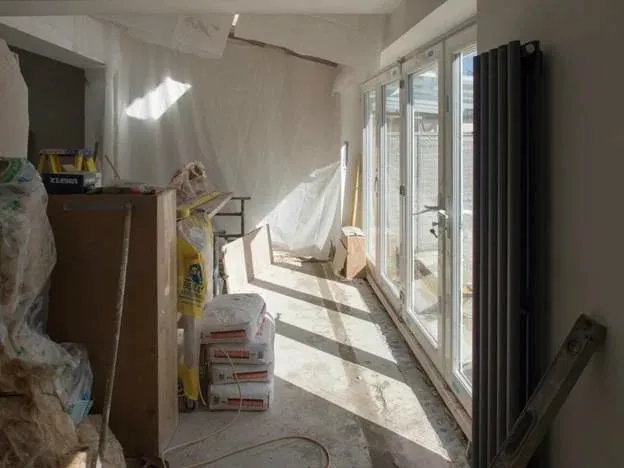
Ever notice how the smallest things in a house are often the ones that wear you down the fastest? A door that sticks, a light that never quite feels right, a space that works but only barely. None of it feels urgent, but it adds up in ways you only notice when you leave and suddenly feel lighter somewhere else.
Big renovations get attention, but it’s the smaller upgrades that quietly shape daily comfort. They don’t announce themselves. They just remove friction, one habit at a time.
Where Small Changes Carry More Weight Than Big Plans
Large projects promise transformation, but they also demand time, money, and disruption. Smaller upgrades tend to slip in without ceremony. They solve specific problems instead of reimagining the whole house. That’s why they stick.
People don’t usually wake up wanting a remodel. They want fewer annoyances. Less noise. Less effort. Fewer moments where something doesn’t work the way it should. When an upgrade addresses that directly, it changes how a home feels without changing how it looks.
These improvements often get overlooked because they’re not dramatic. But over time, they shape routines more than any new paint color ever will.
Access Points Affect Daily Flow
One of the most overlooked parts of a home is the overhead door that opens and closes multiple times a day. It’s used early in the morning, late at night, and often in a rush. When it starts to grind, shake, or leak air, the irritation builds slowly. Noise becomes normal. Resistance feels expected. Temperature changes get blamed on the weather.
Upgrading this system does more than improve access. A smoother, quieter overhead door changes how the house wakes up and settles down. Better sealing helps keep indoor temperatures steady. Reliable movement reduces strain on motors and hardware. The result isn’t flashy. It’s a daily routine that feels calmer and more predictable. This upgrade is less about appeal and more about reliability and consistency. When systems work the way they should, they fade into the background, which is exactly the point.
Lighting That Supports How Rooms Are Actually Used
Lighting tends to fade into the background, even when it’s wrong. People get used to dim corners, harsh glare, or rooms that never quite feel comfortable, and instead of fixing the source, they adjust their habits around it. Lamps get dragged in. Certain areas stop being used. Over time, the house feels tighter, even if nothing has changed structurally.
Better lighting doesn’t require a full redesign. Small shifts make a difference. Softer light where people relax. Clear, focused light where work actually happens. Switches placed where hands naturally reach instead of where plans once said they should go. These changes often reshape how rooms are used almost right away.
The real shift shows up in mood. Spaces feel steadier. Less strained. Lighting stops demanding attention and starts supporting movement, rest, and daily rhythm without announcing itself.
Storage That Reduces Decision Fatigue
Clutter is often blamed on habits, but it usually starts with layout. When storage doesn’t match how a home is actually used, people are forced to decide the same small things over and over. Where does this belong right now? Where can I set it down? That mental back-and-forth adds up faster than most people realize.
Smaller storage changes can ease that strain. Shelves placed near the things they hold. Hooks where bags and jackets naturally land. Cabinets that open fully instead of hiding space in the back. Nothing dramatic, just practical adjustments.
These fixes don’t change the size of a home, but they change how it feels to live in. When objects have clear places, routines smooth out. The house stops pushing back and starts quietly working with you instead.
Quiet Improvements to Sound Control
Noise is one of the most underestimated sources of stress in a home. It doesn’t need to be loud to be draining. Echoes, rattles, and vibrations wear on attention without announcing themselves.
Simple changes can make a difference. Better seals around openings. Soft materials that absorb sound. Hardware that doesn’t shake or hum. These fixes rarely get noticed individually, but together they change how calm a space feels.
Homes that sound softer tend to feel slower, even when life inside them isn’t.
Temperature Consistency Room to Room
Few things are more frustrating than a home where one room feels fine and another doesn’t. Temperature swings make people avoid spaces or constantly adjust settings.
Addressing this doesn’t always require major system changes. Improving insulation in targeted areas. Sealing gaps. Adjusting vents. These small steps help balance conditions without overhauling everything.
When the temperature evens out, people stop thinking about it. That mental space matters more than it sounds.
Hardware That Stops Demanding Attention
Handles, hinges, and fixtures get used thousands of times a year. When they squeak, wobble, or resist, they pull focus every single time.
Upgrading hardware is rarely exciting, but it’s deeply satisfying. Smooth movement. Solid feel. No noise. These details reinforce a sense that the home is holding together. It’s not a luxury. It’s a relief.
Smart Features Used Sparingly
Smart home upgrades can improve life, but only when they solve real problems. Over-automation often creates new ones. The quiet wins come from simple applications. Timers that match routines. Sensors that reduce waste. Controls that make systems easier to manage, not harder.
When technology supports habits instead of reshaping them, it fades into the background. That’s where it belongs.
Why These Changes Matter More Than They Seem
Small upgrades work because they respect how people actually live. They don’t ask for new habits. They remove obstacles from existing ones.
Over time, these improvements change how a home feels to return to. Less effort. Less noise. Less adjustment. That cumulative effect shapes daily life more than any single renovation ever could. The value isn’t in how impressive the change looks. It’s in how rarely it gets noticed afterward. When a home stops asking for attention, it gives something back instead.

 Decor & Improvement Accessories