

Home & Decor Blogs: DIY, Interior Design & Lifestyle Ideas
Small Space Savior: Low-Profile TV Stands Make Rooms Look Bigger

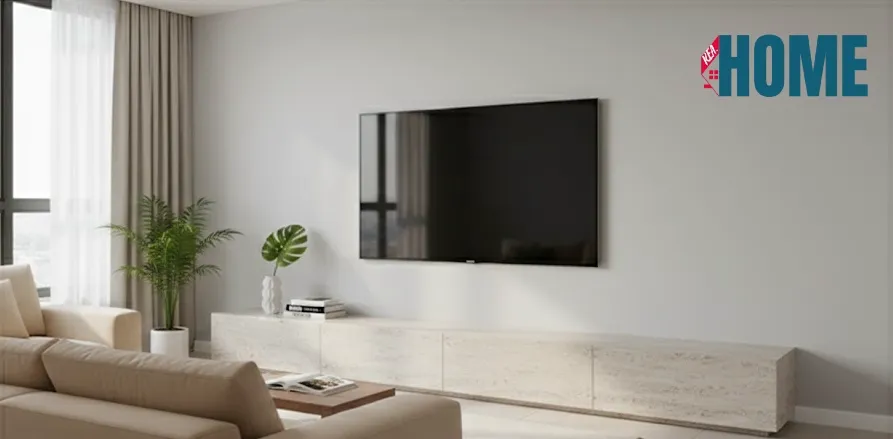
There is a common misconception in interior design: “If you have a small room, you should buy small, tall furniture.”
The logic seems sound—save floor space by building vertically, right? Wrong. In a compact living room, tall, bulky cabinets actually have the opposite effect. They chop up the walls, block sightlines, and make the ceiling feel like it is crushing down on you.
If you are living in a city apartment or a cozy condo, your goal is to create the illusion of volume. You want “airiness.” And surprisingly, the secret to achieving this isn’t buying a smaller TV; it is changing what sits underneath it.
The Low-Profile TV Stand (media consoles that sit close to the ground, usually under 20 inches high) is the unsung hero of small-space design. It is a visual trick used by luxury hotel designers and architects to make modest square footage feel expansive. Here is the science behind why going “low” makes your room feel “high.”
The “Vertical Void” Effect (Hacking Your Ceiling Height)
The most valuable asset in a small room isn’t floor space; it is wall space.
When you place a standard-height cabinet (30 inches or taller) against a wall, you are essentially covering up the bottom third of your vertical real estate. Your eye draws a line from the top of the furniture to the ceiling. The distance looks short, which makes the ceiling feel low.
A low-profile TV stand changes the geometry. By keeping the furniture profile low—often just 14 to 18 inches off the ground—you expose significantly more wall area above the unit.
The Optical Illusion: When you enter the room, your brain registers that vast expanse of empty wall above the TV and subconsciously interprets it as “high ceilings.” It creates a “vertical void”—negative space that allows the room to breathe. Even if you have standard 8-foot ceilings, a low-slung console can make them feel like 10-foot ceilings simply by manipulating the proportions.
The Mathematics of Scale
Proportion is everything. A heavy, tall entertainment center in a 10×12 foot room feels like an elephant in a phone booth. It dominates the space.
To create visual harmony, you need to pay attention to the relative dimensions. When calculating the ideal tv stands size for a compact room, the height is just as critical as the width. A unit that is too tall will compete with the TV screen itself, creating a “wall of furniture” effect.
By choosing a stand that is wider but much shorter, you shift the visual weight to the floor. This “grounding” effect keeps the heavy elements at ankle level, leaving the eye-level zone clear. When your line of sight is unobstructed as you scan the room, the brain perceives the total volume of the space as being larger than it actually is.
The “Horizon Line” and Visual Flow
Interior designers often talk about the “Horizon Line” of a room. This is the imaginary line where most of the furniture tops out.
In a cluttered, small room, the horizon line is jagged. You have a tall bookshelf here, a medium chair there, and a high TV cabinet there. This visual chaos makes a room feel shrinking.
Low-profile furniture helps establish a consistent, low horizon line.
- The Long Horizontal: A long, low media console emphasizes the horizontal axis. In design theory, horizontal lines suggest tranquility, stability, and width. Just as wearing vertical stripes makes a person look taller, putting horizontal lines in a room makes the room look wider.
- Streamlined Aesthetics: Modern low-profile stands often feature clean lines and handle-less drawers. This lack of visual “noise” (knobs, carvings, uneven surfaces) allows the eye to glide over the furniture without stopping, further enhancing the sense of flow.
Balancing the “Big Screen” Dominance
Let’s be honest: we all want a huge TV. A 65-inch or 75-inch screen is now the standard for home theater.
However, a giant black rectangle on the wall of a small room can look oppressive. It acts like a black hole, sucking up all the light and attention.
If you put a giant TV on a high stand, it towers over you. It feels aggressive. If you put a giant TV on a low-profile stand, it feels balanced. The low center of gravity counteracts the visual heaviness of the screen. It turns the TV setup into a sleek, gallery-like installation rather than a looming monolith. It allows you to enjoy the cinematic experience without the technology feeling like it is “looming” over the sofa.
Maximizing Natural Light
Light is the ultimate space expander. The more light you have, the bigger the room feels.
Tall furniture casts long shadows. If your media console is near a window, a tall unit might block valuable sunlight from penetrating deeper into the room.
Low-profile stands stay out of the way of the sun. They allow light to wash over the floor and the lower parts of the walls. Pro Tip: Choose a low-profile stand with a Glossy or Sintered Stone top. These materials are reflective. They act like mirrors, bouncing natural light from the windows back into the room. A matte, dark wood cabinet absorbs light; a polished, light-colored stone surface amplifies it. This subtle reflection adds another layer of depth to a cramped space.
Functionality Without Bulk
One fear people have about low furniture is storage. “If it’s smaller, where do I put my stuff?”
This is a misunderstanding of design. Low-profile does not mean low-capacity.
- Deep Drawers: Because they are lower, these stands often have deeper drawers designed specifically to hold media equipment, game controllers, and blankets.
- The “Top Shelf” Bonus: Because the stand is low, the top surface is easily accessible. While you shouldn’t clutter it, having that extra surface area for a curated selection of decor (a vase, a coffee table book) adds personality without blocking the view.
Conclusion: The “Penthouse” Aesthetic
There is a reason why modern penthouses and luxury lobbies feature low-slung, sprawling furniture. It screams “relaxation.” It suggests that you have so much space that you don’t need to stack things vertically.
By bringing this “Penthouse Aesthetic” into your small apartment, you are tricking the eye and soothing the mind. You are clearing the air.
So, if you are feeling boxed in by your living room, look at your TV stand. Is it tall? Is it blocky? Is it blocking your view? Swap it out for a sleek, low-profile design. You might be surprised to find that you didn’t need a bigger room after all—you just needed lower furniture.
 Decor & Improvement Accessories