

Home & Decor Blogs: DIY, Interior Design & Lifestyle Ideas
The Rise of Artificial Grass in Modern Playground Design

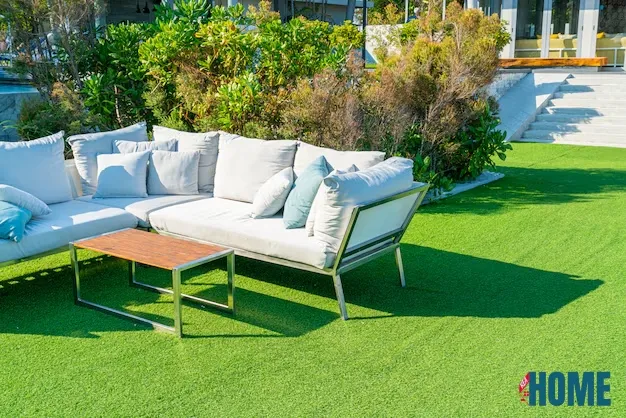
Modern playground design has entered a new era. What was once a simple collection of swings and slides has evolved into a carefully planned environment focused on creativity, safety, and sustainability. Designers and architects now treat playgrounds as extensions of community design and child development strategy. One of the biggest changes driving this evolution is the use of custom designed outdoor surfaces that combine aesthetics with innovation.
A New Standard in Play Space Design
For years, playgrounds were built with limited materials—concrete, wood, and metal. While functional, these materials offered little room for creativity or comfort. Artificial grass has changed that completely. It allows designers to think beyond practicality and start creating spaces that look, feel, and perform better for children.
Artificial grass playgrounds have become a design statement. They offer the look of natural greenery with the safety and versatility of engineered materials. The result is a surface that feels soft, looks beautiful year-round, and can be customized to match any design vision.
The Evolution of Playground Surfaces
The rise of artificial grass in playgrounds reflects a larger trend in sustainable and inclusive design. Traditional surfaces like gravel or sand are messy, inconsistent, and less accessible for children with mobility challenges. Synthetic turf, on the other hand, offers uniform traction, shock absorption, and accessibility.
Designers now use artificial grass to craft play areas that are both visually appealing and functional. These surfaces can be installed with different textures and color variations, helping children distinguish between zones for play, rest, or learning. The customization possibilities are endless, allowing each playground to have its own unique character.
How Artificial Grass Supports Creative Learning
Children learn best in environments that stimulate their senses. A surface that feels soft, colorful, and safe encourages exploration. Artificial grass gives designers the ability to integrate shapes, paths, and color-coded sections that guide play naturally.
This creates a dynamic environment where every inch of space becomes part of the learning process. Children might follow a bright path that leads to a story zone or play a game inspired by the patterns on the surface itself. Through movement and imagination, they build coordination, memory, and creativity.
A Safe and Sustainable Choice
Safety is the foundation of any great playground. Artificial grass is designed with cushioning layers that absorb impact and reduce injuries. It provides a stable and consistent play surface, which helps protect children from slips or falls.
Beyond safety, these surfaces are environmentally responsible. They eliminate the need for constant watering and lawn maintenance, reducing both resource consumption and long-term costs. Many modern turf systems are made from recyclable materials, aligning perfectly with the growing demand for eco-conscious design solutions.
Versatility Across Play Environments
One of the biggest advantages of artificial grass is its adaptability. It fits seamlessly into a wide range of projects—from compact urban playgrounds to sprawling community parks. Designers can use it to blend natural and built environments without compromising on appearance or performance.
In schoolyards, for example, artificial grass allows for vibrant multi-purpose areas that work for sports, learning, and social play. In residential settings, it brings comfort and beauty to family-friendly spaces that stay inviting in every season.
Even small spaces benefit from this versatility. Artificial turf can transform rooftops, courtyards, or underused corners into lively play zones full of color and life.
The Design Perspective: Merging Function and Art
Playground design has become a creative discipline. Architects and landscape designers are now treating surfaces as artistic canvases rather than flat, functional bases. Artificial grass supports this approach by offering flexibility in shape, texture, and tone.
Designers can incorporate geometric patterns, gradients, or thematic layouts that make every playground unique. These artistic touches turn play spaces into landmarks within communities—places that stand out visually while enriching daily life.
The Role of Innovation in Play
Innovation in materials has redefined what playgrounds can be. Artificial grass technology continues to improve in durability, drainage, and comfort, ensuring long-lasting performance even under heavy use. The ability to integrate design with science is what makes this material so transformative.
Companies specializing in custom designed outdoor surfaces are now working with schools, municipalities, and developers to push design boundaries. They are creating surfaces that not only look good but also support physical, cognitive, and emotional development.
Looking Ahead: The Future of Playground Design
The future of playgrounds will focus on creativity, inclusivity, and sustainability. Artificial grass is at the center of that vision because it allows for endless design potential without sacrificing practicality. These spaces are becoming immersive environments that teach, inspire, and connect children in meaningful ways.
Playgrounds are no longer simply areas for physical activity. They are places where design, innovation, and imagination intersect. As more designers embrace artificial grass, we are seeing a shift toward playgrounds that reflect the values of modern life—beauty, safety, and environmental awareness.
Where Imagination Takes Root
Playgrounds are mirrors of the communities they serve. When built with care and creativity, they become places that nurture curiosity and joy. Artificial grass has made it possible to design spaces that are as functional as they are inspiring.
By rethinking surface design, we are redefining how children experience the world beneath their feet. With thoughtful planning and artistic vision, every playground can become a story in itself—a place where imagination takes root and creativity grows.
 Decor & Improvement Accessories