

Home & Decor Blogs: DIY, Interior Design & Lifestyle Ideas
What Homeowners Should Know Before Replacing Their Furnace
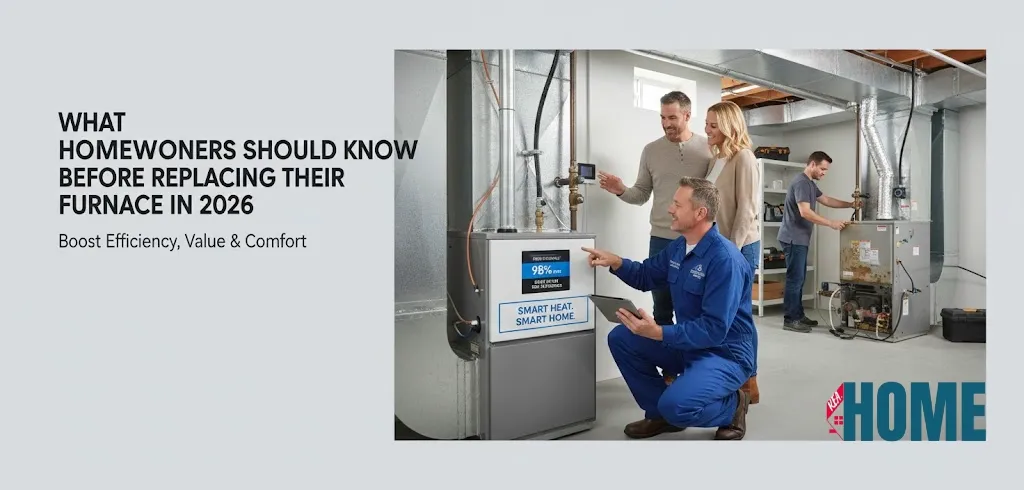
Replacing an outdated furnace is not merely a matter of keeping your house warm; rather, it is a clever home improvement project that can increase the value of your property, reduce your energy expenses, and make your home comfortable throughout the entire year. It may be an old-fashioned, cumbersome device of the 90s or simply looking at an upgrade that will be more efficient, but the right details mean that you will not have any headaches in the future. We have gathered some of the best tips from real-life users that will guide you through this project, such as when to do some of the work yourself and when to just get an expert to install that part of the project without any problems.
Evaluating Your Current Furnace
Look long and hard at what you have before you even consider having another. The life span of furnaces is 15- 20 years, although during severe winters it may manifest itself earlier. Begin with easy tests: Does it warm all around, or are there rooms that are freezing and others that are roasting? Hearing any strange noises, such as rattling or banging, usually connotes loose components or a malfunctioning blower. Check your energy bills, as well; when it’s increased 10-20 per cent without any particular cause, then inefficiency might be the cause.
Get your repair history books- unless you have phoned more than twice a season to your tech, it is time to do it. An easy home hack: Check the filter (replace if soiled) and glance at the flame; it should be steady blue, yellow indicates problems and a possible safety concern. In case of doubt, have a professional check it out; it will be cheaper than having to make accidental repairs in the middle of the blizzard.
Furnace Types for Your Home
Furnaces are not all the same, and the selection of the one that fits your home system and the availability of fuel in the area relate to the choice. Gas models are famous due to their fast heating and energy-saving nature, particularly in places that have natural gas pipelines. Electric is cleaner and less complicated to set up, which is perfect when you are off-grid or you are looking to add to a small area. An oil furnace is powerful when used in bigger houses, but it requires tanks to store oil as well as greater maintenance.
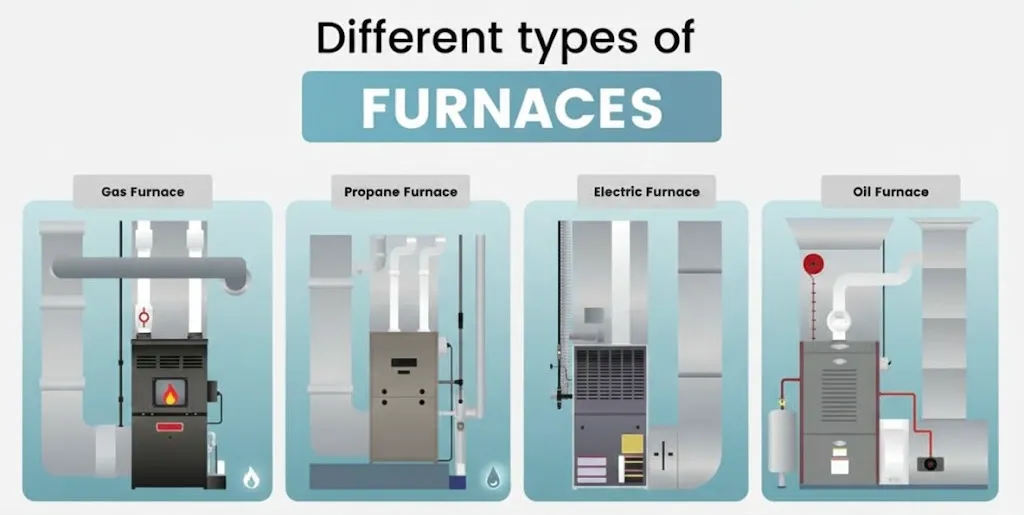
Where 2026 upgrades are involved, think of heat pumps as a hybrid, that is, highly energy-efficient and usually eligible for rebates, although extreme cold may force them to use a backup. Discuss with a local HVAC man to have it fit your insulation and square footage; bad fits cost money in the long-run.
Picking the Right Size and Efficiency
It is a question of size–a unit too large will be run constantly, and bills increased; a unit too small will make short-cycles, and wear out soon. To nail it, pros apply a Manual J calculation that is based on your home layout, your home Windows, and your climate. Target high AFUE (90%+ in gas) to use as much heat as possible in fuel.
When going for energy-efficient models, proper furnace installation is key to locking in those savings and avoiding voids on warranties. Look for features like sealed combustion for safety in tight homes.
Modern Features That Make a Difference
The modern-day furnace is full of features that are connected to smart home systems. Variable-speed blowers regulate gently in search of uniform heat, and multi-stage burners increase slowly, no longer producing explosions of hot air. Install a smart thermostat such as the Nest to control the app or zone heating and heating only the room you use.
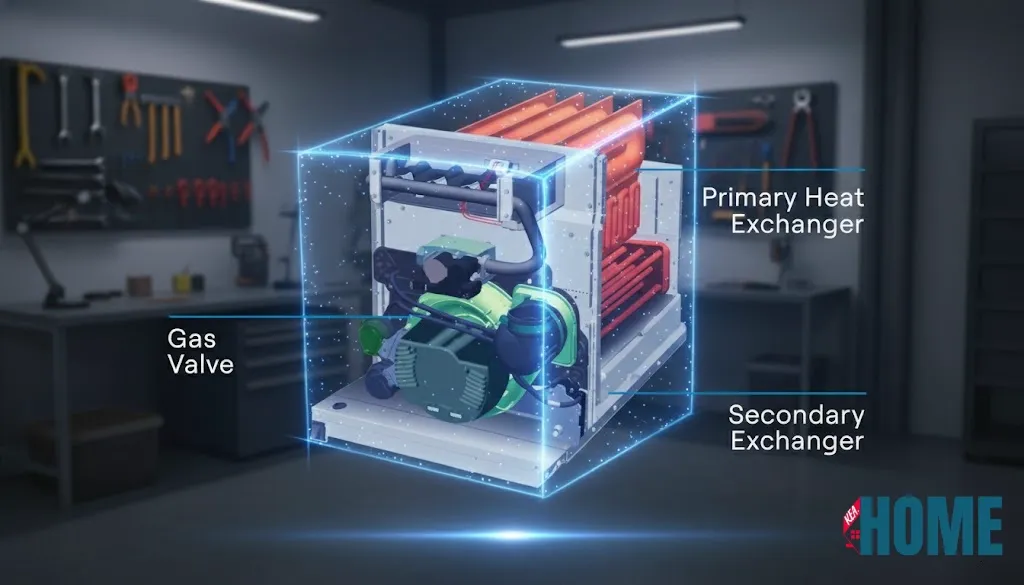
Such advantages will not only increase comfort but also reduce energy consumption by a factor of 20-30%, which is a success in any home improvement project.
Budgeting for Your Furnace Replacement
The prices are different depending on the type, size, and extras such as ductwork tweaks. The following is a rough breakdown of their visual calculation at 2026 averages of a typical 2,000 sq ft house:
Add at least $500-2,000 to install more intricate ones or rebates that can cut up to $2,000 in efficient units through federal programs. Get 3-5 quotes to compare.
Prepping for Installation Day
Compatibility is crucial—ensure your new unit works with existing ducts and thermostats. Clear space around the old one, shut off gas/electric, and move furniture for easy access.
A pro install takes 4-8 hours; stay home to answer questions. Post-install, test everything and ask about warranties—most cover parts for 5-10 years.
Maintenance Tips
Never save money here; replace filters every 1-3 months, and get an annual servicing to prevent problems with a crazy delay. Vents should be kept clean, and dust accumulation should be monitored. Healthy habits add years to life and maintain the level of efficiency.
Ready to upgrade? The purchase of a new furnace is a sound investment in the comfort and the resale value of your home. Call a reputable HVAC professional and get going.

 Decor & Improvement Accessories