

Home & Decor Blogs: DIY, Interior Design & Lifestyle Ideas
When a Plumbing Problem Can’t Wait
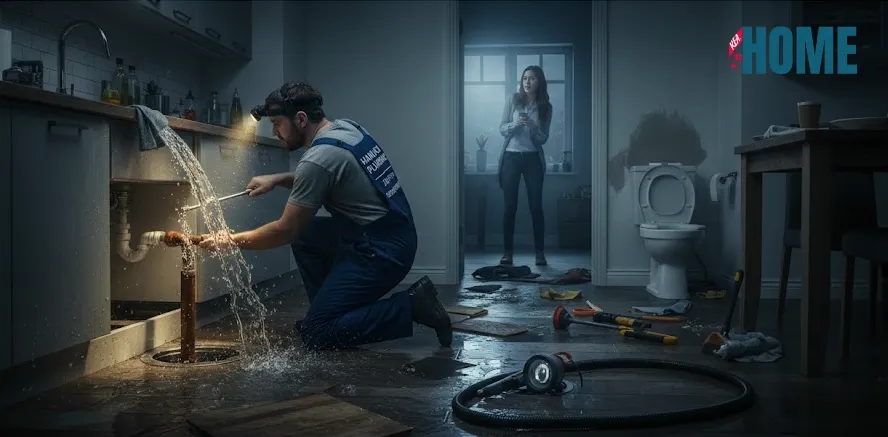
Pipes burst. Toilets overflow. Drains back up at 2am on a Sunday. These things never happen at convenient times, and they don’t fix themselves while you wait.
Here’s what makes it worse: burst pipes alone cause around £50 million in damage across the UK every year, with roughly 2,650 incidents. January and February see the worst of it—claims spike by 51% during those cold months. The average insurance payout for water damage sits between £5,000 and £15,000 for homeowners, though it can climb much higher if the leak runs for hours before anyone notices.
That’s why 24/7 emergency plumbing matters. Quick response—getting someone there within an hour or two—can be the difference between mopping up a puddle and ripping out waterlogged flooring. If you’re dealing with something urgent, contact the best plumbers near Manchester before a small leak becomes a renovation project.
Still not sure if your situation counts as an emergency? Here’s what typically does.
Common Plumbing Problems and What They Cost
| Problem | Typical Repair Cost | Potential Damage Cost |
|---|---|---|
| Burst pipe | £150–£400 | £5,000–£15,000+ (insurance claim) |
| Blocked drain | £100–£300 | Property flooding, health hazards |
| Overflowing toilet | £80–£150 | Water damage, contamination |
| Dripping tap (left unfixed) | £50–£100 | Wastes 5,500+ litres/year |
| Emergency callout fee | £100–£120 | Prevents escalation |
Finding Local Help
You’re running a shower, and the pressure drops to nothing. Or a tap that worked fine this morning won’t stop dripping. These problems creep up without warning, and when they do, you need someone who can actually get to you quickly.
Searching for a ‘plumber near me‘ makes sense for a few reasons. Local plumbers know the area—they understand the quirks of older Victorian pipework common in parts of Manchester, they’re familiar with local water hardness issues that cause limescale buildup, and they can reach you faster. That last point matters more than you’d think. Emergency plumbers charge around £100–£120 just for the callout, plus £60–£120 per hour after that. Every extra 30 minutes waiting for someone to arrive from across town adds to your bill and gives the water more time to spread.
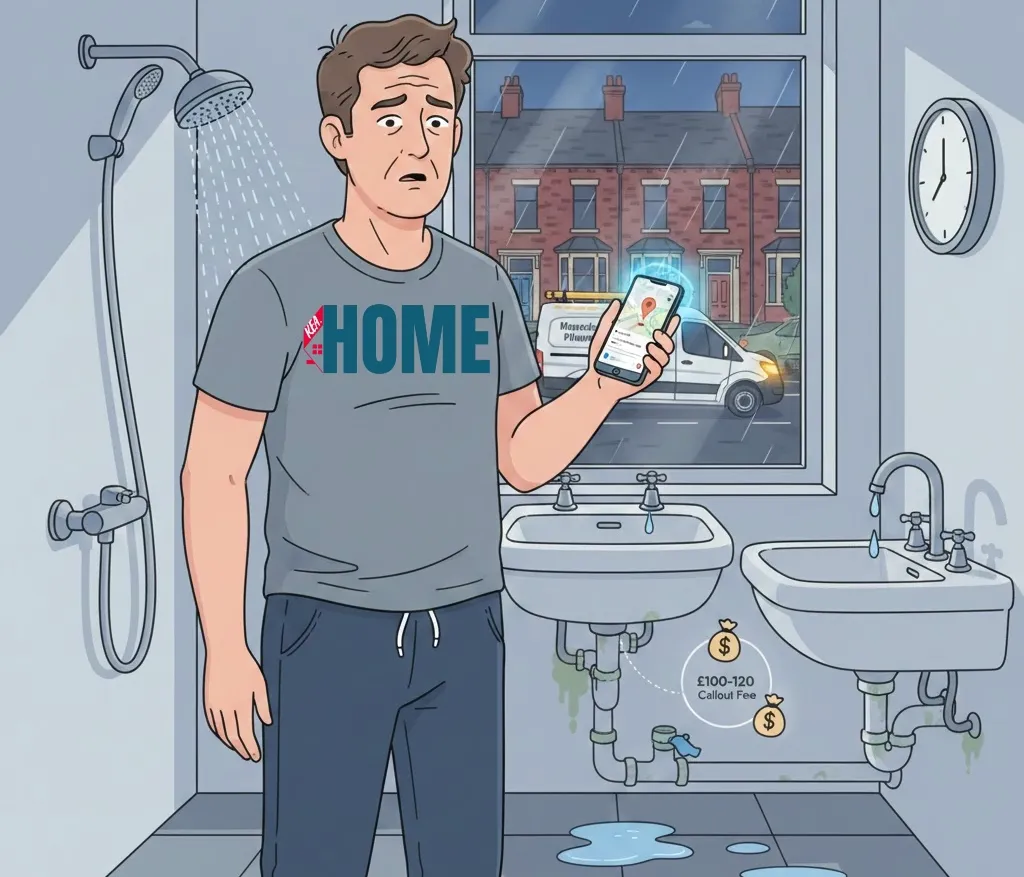
This doesn’t mean a plumber from further out won’t do good work. But if you’re choosing between two equally qualified people, the one who can be there in 20 minutes instead of an hour is probably the better bet.
Sewer and Drainage Problems
Rain hammers down, temperatures drop, and suddenly your drains aren’t coping. Sewage systems get overloaded, especially in winter, and that leads to backups, slow drainage, and smells you really don’t want hanging around your home.
The UK sees around 300,000 sewer blockages every year—and it costs roughly £100 million to sort them all out. Wet wipes are responsible for about 93% of these blockages, according to Water UK research, even though 22% of people admit they still flush them. When these blockages happen in pipes you’re responsible for, you’re looking at repair bills and potentially sewage backing up into your property.
If your drains are gurgling, draining slowly, or producing foul smells, don’t sit on it. What starts as an inconvenience can turn into raw sewage flooding your bathroom. Call someone before you’re dealing with a genuine health hazard.
Overflowing Toilets
Your toilet fills up and won’t drain. Water’s rising toward the rim. Panic sets in.
First instinct is to flush again—don’t. You’ll make it worse. Much worse.
Most toilet blockages come down to things that shouldn’t be flushed in the first place. Wet wipes cause 75% of drain blockages according to Water UK, even the ones labelled “flushable.” Add sanitary products, too much toilet paper, or random items kids have dropped in, and you’ve got a clog that a household plunger probably won’t shift.
Having the right tools to do so is important when you encounter a clogged drain. Pressure jets like the ones you see at car washes can be used to help move stubborn blockages down the line. Trying to force the issue yourself without knowing what you’re dealing with usually makes things worse and can damage pipes.
While you’re waiting for help, be sure your water is turned off at the main. This will keep the toilet from refilling and reduce how much water escapes. Then call someone who knows what they’re doing.
Routine Inspections Save Money
Neither does every problem, of course, let itself be seen against a backdrop of furious gushing water. Some develop quietly—a tiny drop seeping down a wall, the first indications that a valve is failing, decay erasing sections of old pipes piece by piece.
The Great Thing About Having an Annual Plumbing Check Is That You Can Catch These Things Before They Become Emergencies. A dripping tap might seem minor, but a leak can waste 5,500 litres (1,500 gallons) or more in one year. According to Water UK and WaterSafe, it is the water that you pay for running down the drain. If you live in a house with a water meter, everything adds up.
Extra risks come in the winter. When the temperature is low, water will freeze in your pipes, expanding its volume and cracking the pipe. When it thaws, shoot–leaks! And sometimes when that happens, the pipe is practically crying out for mercy. Insulation for exposed pipes, plus leaving on at least some heat when you go away, is one way to stop this happening.
It is not much more expensive to have a regular check-up than to pay the emergency call-out charges, water damage bills, and excess insurance costs. Prevention may be unglamorous, but that is no argument against it.
Speed Matters
If your kitchen is flooded or the toilet is bubbling over, the one person you want to speak to is the best-placed amateur – someone who knows local emergency plumbers, can get them to you quickly, has the judgment to assess the problem correctly and fix it without creating any new ones: that’s what you need.
Water damage claims are costing UK insurers an average of £1.8 million a day. Much of this damage occurs in the time between “It’s wrong” and ” Somebody’s fixing it.” Don’t wait to see if a leak stops on its own. Don’t attempt DIY solutions for problems you don’t fully understand.
 Decor & Improvement Accessories