
Home & Decor Blogs: DIY, Interior Design & Lifestyle Ideas
Routine Behaviors That Place Strain on Household Plumbing
Pipes, drains, and fixtures absorb the impact of whatever a home sends through them, and daily routines quietly impact how well the system holds up. Most homeowners don’t realize that small habits have a direct influence on the condition of the plumbing. Everyday actions can place strain on pipes long before visible signs appear.
A practical approach starts with understanding which behaviors create stress inside the system. Some habits seem harmless at first, but slowly contribute to buildup, pressure, or wear. Many homes in Austin, Texas, often deal with hard water, which increases the way minerals settle inside pipes and fixtures, so daily habits carry even more influence on plumbing health. Identifying those actions helps maintain a stable, predictable plumbing setup without calling for a major lifestyle shift.
Pouring Grease Down the Kitchen Sink
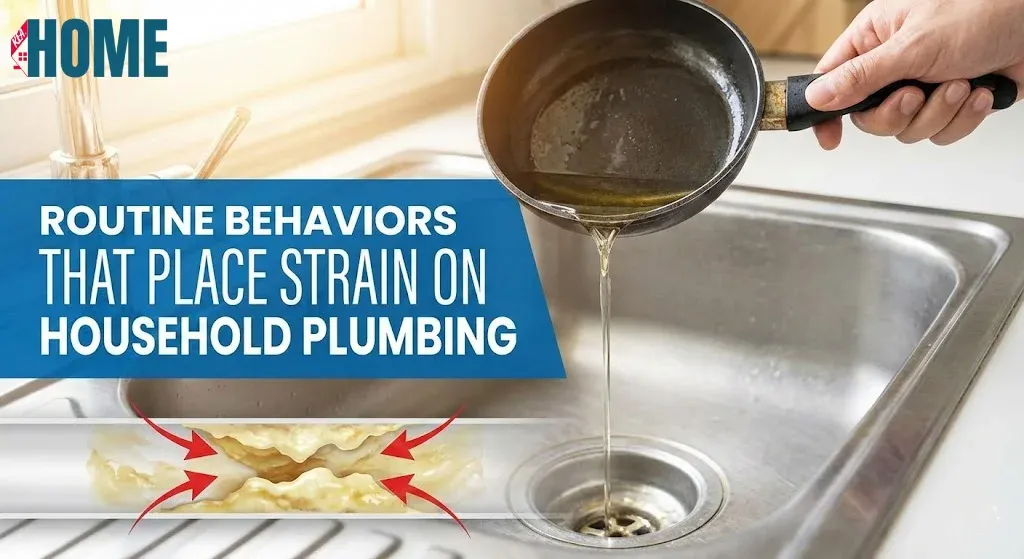
Grease may seem harmless when it’s warm, but once it cools, it settles inside pipes and forms thick layers. Each time it enters the sink, it adds to the material already lining the interior walls. Eventually, this buildup restricts movement through the pipes and creates tension throughout the drainage system.
Many homeowners change this habit by setting aside a dedicated container for grease. Cooling the grease and discarding it separately prevents it from entering the plumbing in the first place. This simple adjustment removes a major source of strain and helps the kitchen drain stay clear and consistent. However, if you’re unable to resolve the issue and your drains keep clogging, it’s best to call the experts. With the services of an emergency plumber Austin, TX residents can rest assured that their plumbing issues will be taken care of professionally.
Letting Soap Scum Build Up
Soap scum collects quietly inside showers, tubs, and sinks. Residue forms whenever soaps and body products mix with water and settle on surfaces. As such, this coating begins sticking to pipes, slowing water movement and creating a rough layer where other debris can attach. The buildup becomes thicker the longer it sits, and the drainage system begins to feel sluggish.
Regular cleaning stops soap scum from gaining a foothold. Wiping down surfaces and rinsing the drain area prevents residue from turning into a long-term problem. This routine prevents blockages from forming and keeps water moving without interruption.
Overloading the Garbage Disposal
Garbage disposals handle a lot of responsibility, and they operate best with small, manageable amounts of food waste. Large portions place extra strain on the blades and motor. When too much material enters at once, the disposal becomes stressed, slows down, and pushes partially broken-down food into the pipes. This leads to clogs, foul odors, and pressure inside the drainage lines.
Using modest portions keeps the system operating as intended. When food enters in smaller batches, the disposal breaks it down more consistently.
Using the Toilet as a Trash Can
Toilets are designed for toilet paper and waste only. When hygiene wipes, cotton products, wrappers, or similar items enter the bowl, they block the narrow sections of the drainage path. Even items labeled as “flushable” often hold their shape long enough to create trouble inside pipes. These objects catch on bends and joints, forming clusters that restrict movement.
Keeping non-toilet items out of the bowl protects the entire system. A small trash bin in the bathroom handles everything that doesn’t belong in the toilet.
Running Multiple Water-Heavy Appliances
Appliances such as dishwashers, washing machines, and showers require a strong, steady supply of water. Running them at the same time sends a high volume of water through the system all at once. This can create pressure inside the pipes and overwhelm sections that aren’t prepared for such a large load. Eventually, the strain contributes to wear on joints, valves, and older fixtures.
Spacing out appliance use keeps water movement balanced. Once appliances run at separate times, the plumbing handles each task without sudden pressure shifts.
Letting Mineral Deposits Sit in Faucets
Mineral deposits collect inside faucets and fixtures where water flows regularly. Hard water leaves behind small particles that attach to internal surfaces and openings. Over time, the deposits restrict water movement and create uneven pressure inside the fixture. If the buildup continues, it starts affecting valves and connections as well.
Cleaning faucets routinely and removing mineral film protects the internal components. A simple wipe-down or a short soak loosens the deposits and keeps the fixture clear. Once this becomes a regular habit, the faucet remains functional.
Hanging Heavy Items on Shower Fixtures
Shower fixtures often look sturdy, yet they are designed for lightweight use. When heavy baskets, bottles, or storage racks hang from the fixture, the weight pulls downward and strains the connection to the wall. This stress loosens the fixture, weakens the seal, and creates small gaps where water can travel behind the surface. That moisture eventually reaches the plumbing area and causes damage to nearby components.
Removing heavy items and choosing lighter storage options creates a more stable shower environment. Fixtures stay firmly attached, and the surrounding plumbing remains protected from moisture exposure.
Ignoring Slow Drainage
Slow drainage is often one of the earliest signs of trouble in the plumbing system. Debris collects inside pipes and gradually reduces the space where water can move. When water lingers, the buildup grows faster because small particles cling to the slower-moving surface. Leaving slow drainage unattended allows the blockage to expand until it disrupts the entire pipe.
Taking note of a drain that moves more slowly than usual helps prevent larger issues. A quick cleaning or a simple inspection removes the early buildup and restores normal function.
Routine plumbing strain often begins with habits that appear harmless. Small actions, like pouring grease, ignoring slow drainage, or hanging heavy items from fixtures, quietly create stress on pipes and fixtures throughout the home. With mindful routines, the household avoids unnecessary repairs and maintains a cleaner, stronger foundation for long-term use.
 Decor & Improvement Accessories