

Home & Decor Blogs: DIY, Interior Design & Lifestyle Ideas
Why Should You Live in a Tourist-Friendly Town (and Why Shouldn’t)?

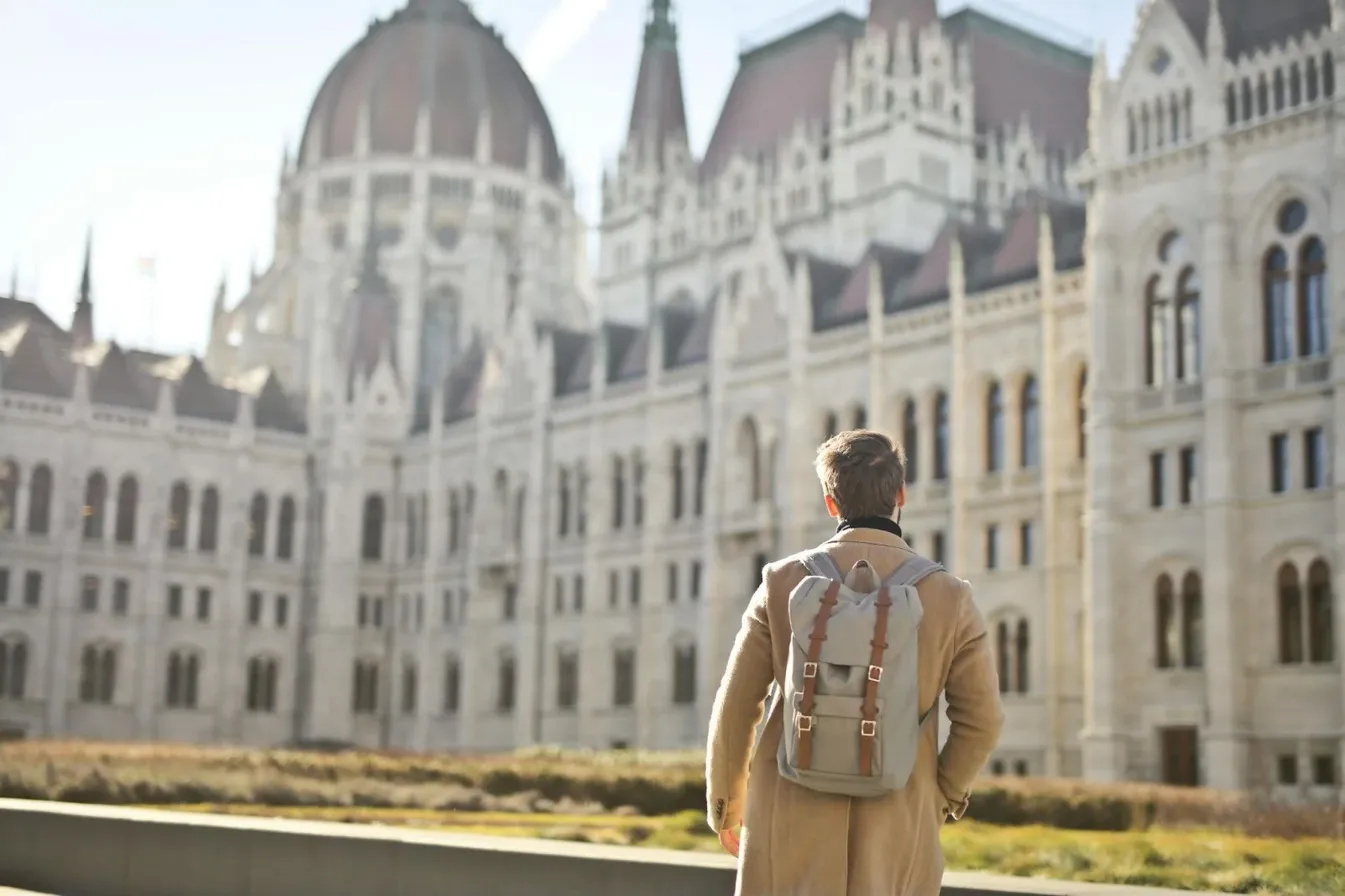
Living in a tourist-friendly town sounds like the perfect lifestyle, right? There are beaches, cafés, festivals and new faces every week. But for some people, it’s the opposite. By “tourist-friendly,” they think of traffic, noise, high rent and a never-ending stream of outsiders. The truth is, a tourist town can be both. It depends on your taste and preference of lifestyle whether you should live here or not.
Our goal is to help you with all the ups and downs of a tourist town that can affect your decision. So, have a look.
Why Living in a Tourist-Friendly Town Can Be Amazing
Strong Economic Opportunities
Tourists spend money constantly on hotels, cafés, taxis, souvenirs, tours, activities, and rental homes. That spending creates jobs and business openings that don’t exist in quieter towns.
A local who works a regular 9–5 job might also earn weekend income by running a small food stall during festivals or renting out a spare room on Airbnb. It’s much easier to have multiple income streams because customers keep coming.
Lively Social and Cultural Scene
There’s always something going on. It can be live concerts, farmers’ markets, cultural fairs, beach parties, or food festivals.
A Saturday night it’s not just “movie at home” here. It’s more about watching street concerts followed by exploring the night market in a tourist area. You are always in a festive mood.
Better Public Infrastructure
Governments and developers invest heavily in places that attract visitors. So, you get cleaner streets, better public transport, rapid internet improvement, and more security staff.
Even a small coastal village might get a brand-new airport and modern shopping plaza within a few years because it attracts tourists.
Lifestyle Perks at Your Doorstep
No need to drive hours just to see the ocean or mountains. They’re part of the neighbourhood.
A person who lives in a ski town might go snowboarding before work. Or, someone living near a famous coastline might watch sunsets every day without planning a trip.
Easy Business Potential
Tourist towns are natural customer magnets. Even simple ideas can work if the execution is good. A woman who loves baking could open a tiny pastry booth near a beach and thrive purely from tourist traffic. The same idea wouldn’t survive in a low-population town.
Attractive Real Estate & Investment Opportunities
Tourist towns often become property hotspots because visitors frequently end up wanting vacation homes or rental-friendly houses. This creates steady long-term appreciation and strong rental demand.
For example, areas like Lake Geneva’s 53147 neighbourhood are popular among buyers for exactly this reason.
Why Living in a Tourist-Friendly Town Can Be Exhausting
Higher Living Costs
Tourists don’t bargain. So naturally prices inflate. Rent also increases when investors buy homes for Airbnb. And restaurants raise prices because tourists are willing to pay premium rates.
Crowds and Noise
During peak seasons, the town can get overloaded. Roads jam, beaches and parks fill up, and people are walking around late into the night. Your privacy becomes limited. You might wait 45 minutes for a table at your favourite restaurant because it’s filled with out-of-towners.
Seasonal Income Instability
Tourism isn’t evenly spread throughout the year. Money flows fast during holidays and festivals. Then slows down sharply once peak season ends. Some jobs or businesses have to rely heavily on the “busy months” to survive the “slow months.”
A surf school might earn extremely well from December to March. But make almost nothing during the rainy season.
Cultural Shift and Commercialization
Local traditions sometimes change to fit visitors’ expectations. And the town slowly feels more like a theme park than a community. A small fishing village might drop its traditional food festival and replace it with a “Seafood & EDM Carnival” because it attracts more tourists. It’s disappointing for the locals.
Weaker Sense of Community
With so many short-term visitors, friendships can take longer to build. Neighbours move frequently, café staff change often, and connections sometimes feel temporary. You might meet someone at a music event, become friends instantly, and then find out they’re flying home next week. This cycle repeats all year.
Who Will Love Living in a Tourist-Friendly Town
Social and Extroverted Personalities: People who enjoy meeting new people, making conversation and being surrounded by activity will thrive as tourist towns provide constant interaction and stimulation. The demand is still high with buyers competing for the best spot.
Entrepreneurs and Side-Hustlers: There’s steady customer flow and high spending power from visitors, which makes it easier to launch small businesses and grow quickly.
Hospitality and Tourism Professionals: Chefs, hotel staff, guides, event organizers and entertainers have more career opportunities and higher income potential here than in quiet residential towns.
Digital Nomads and Creative Freelancers: Artists, photographers, writers and content creators benefit from inspiring scenery, lively environments and access to unique stories, visuals and events to build their work.
Young Singles and Newly Married Couples Without Kids: If nightlife, events, travel energy and a spontaneous living lifestyle matter more than quiet schools and structured routines, tourist towns offer a fun and memorable living experience.
Who Might Struggle in a Tourist-Friendly Town
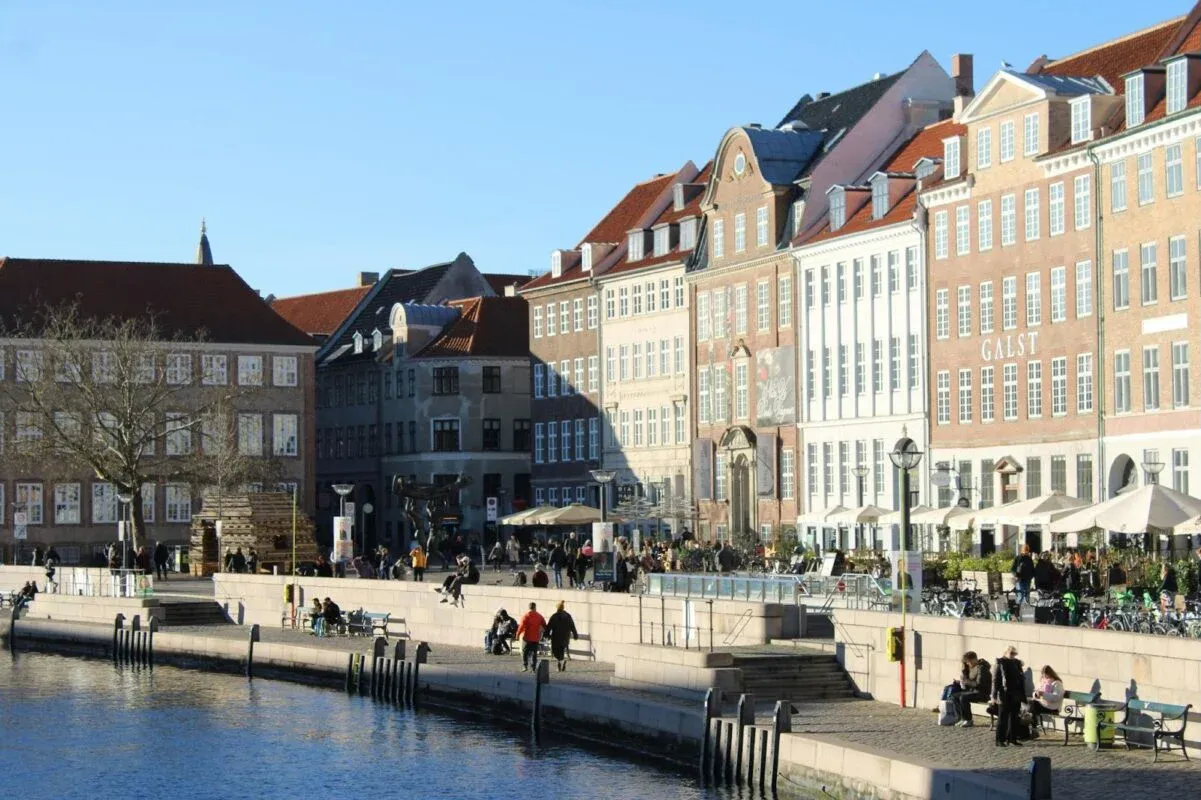
Introverts: If you recharge by being alone and dislike unpredictability, tourist towns can feel chaotic instead of exciting.
Families Raising Children: Parents looking for stable schools, calm neighbourhoods, easy commuting and predictable routines may find tourist traffic and noise stressful for daily life.
Remote Workers: People who work from home and require quiet concentration may feel constantly interrupted by street noise, events and seasonal crowds.
Budget-Conscious Individuals: If your financial comfort depends on low living costs, tourist towns may feel burdensome. Here, housing and everyday expenses tend to rise faster than average.
Retirees: retirees often prefer living in a familiar community. Since residents, workers and neighbours change frequently, it can take longer to build friendships you keep for years. This can feel isolating for those who value permanence.
Bottom Line
Tourist-friendly towns are not inherently good or bad. They’re simply intense. They offer opportunity, excitement and lifestyle perks. But they also bring higher costs, crowds, and constant change. Some people feel alive in that environment, while others feel overwhelmed.
If you love motion, social energy, business possibilities, and cultural events, a tourist town may be the perfect fit. On the other hand, if you value privacy, routine, silence, and deep community roots, a quieter town will likely feel more like home.
 Decor & Improvement Accessories