

Home & Decor Blogs: DIY, Interior Design & Lifestyle Ideas
Engineered Wood Flooring Ideas for Your Home
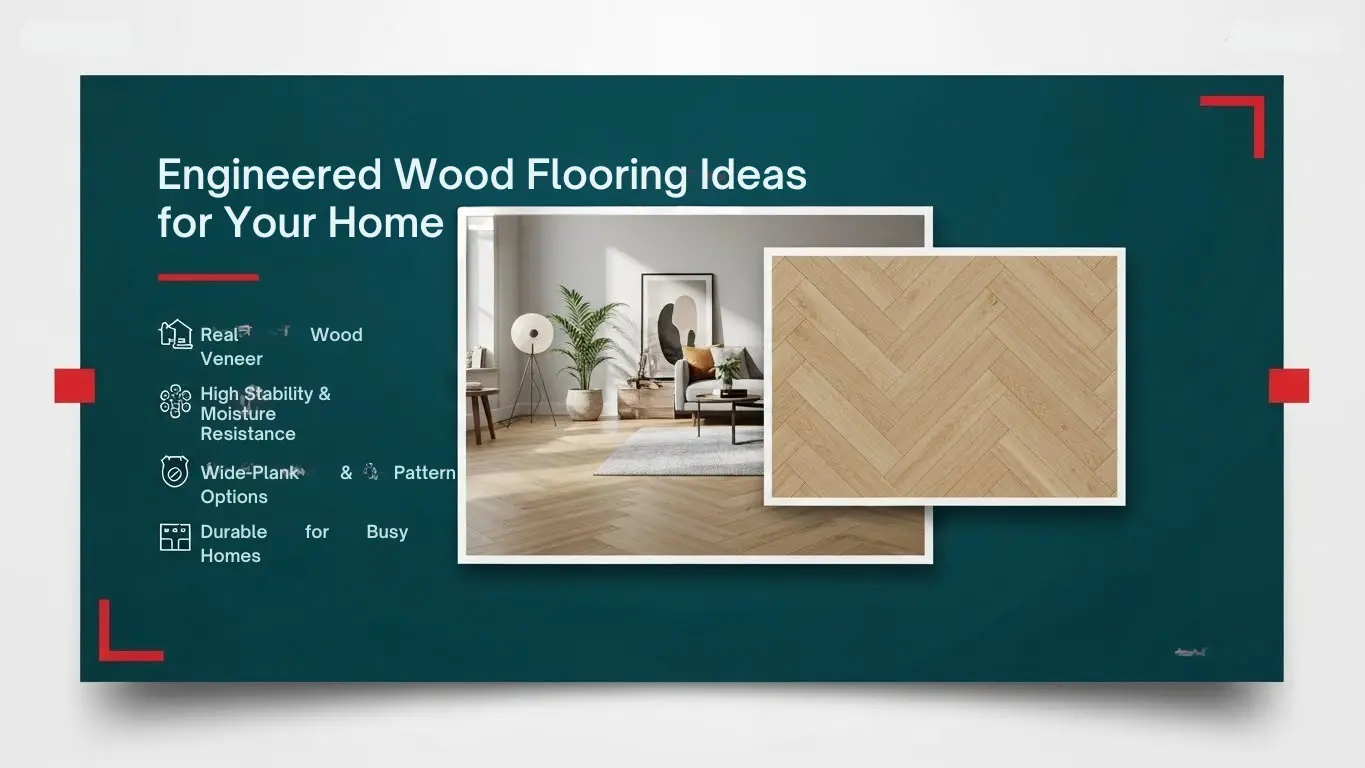
Engineered wood flooring solves that specific problem. Real wood on top. Plywood core underneath. The core resists moisture and temperature swings. The top looks like hardwood because it is hardwood. The National Wood Flooring Association explains the construction.
My buddy installed solid hardwood in his basement last year. Beautiful stuff. Three months later, every board had gaps big enough to lose a coin in. Humidity got it. He ripped it all out.
Don’t do that.
But here’s what nobody tells you: not all engineered wood is the same. I’ve seen $3/sq ft stuff delaminate in two years.
I’ve also seen 6mm veneer planks last twenty. The difference is in details most guides skip. Let’s get into those.
What Actually Is Engineered Wood?
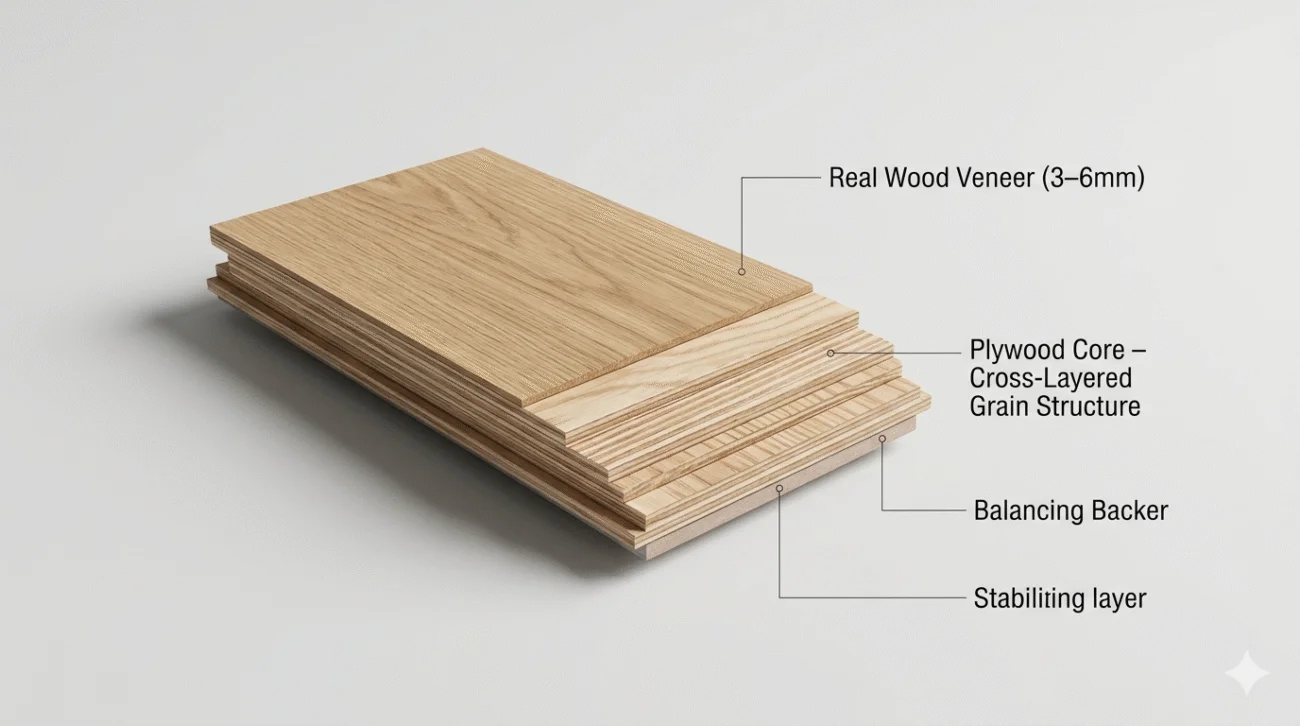
- Top: real hardwood veneer. Oak, walnut, maple. Thickness matters. Cheap = 1mm (thinner than a credit card). Good = 3–6mm.
- Middle: plywood or HDF. Layers run opposite directions. That stops expansion. Solid wood can’t do that.
- Bottom: balancing backer. Same as core.
Here’s a test. Go to a store. Bend a solid oak board. Won’t move. Bend an engineered board. It flexes.
That flex handles humidity and bumpy subfloors. No cupping. No cracks.
I learned this myself. Put solid maple in a lake house. Concrete slab. Vapor barrier. No crawl space.
One year later? Cupped so bad you felt ridges through socks.
Swapped to engineered. Flat four years running.
Where Engineered Wood Actually Works
Let me save you money.
Yes to: Living rooms, bedrooms, hallways, home offices, dining rooms. Also basements (if dry), kitchens (if you wipe spills), and over concrete slabs.
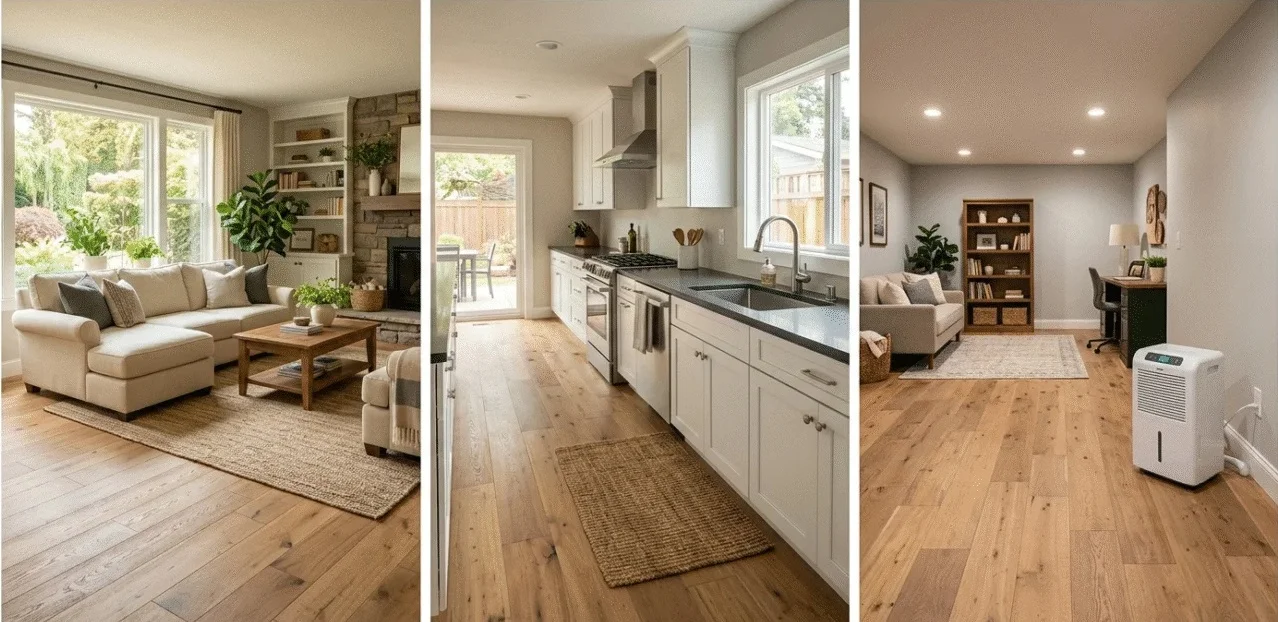
Also over radiant floor heating, the Radiant Floor Heating Guide confirms this but warns to keep water temp under 85°F.
No to: Full bathrooms, laundry rooms, mudrooms with snow melt, or any place where water sits.
I don’t care what the salesperson says. Engineered wood is not waterproof. This reddit post warns about this too. One leaking washing machine or a kid who splashes bathwater daily? You’re gambling.
Maybe to: Kitchens. I said yes above, but let me qualify. If you’re careful, wipe spills immediately, use a mat near the sink, engineered wood is fine.
I have it in my own kitchen. My friend did not use a mat. Overnight a wet dish towel on the floor. Now she has a dark spot that will not be removed. Your call.
Three Design Ideas That Actually Work
Most people install straight rows. Fine. But you’re paying for real wood. Have some fun.
Idea 1: Wide planks – but not for the reason you think
Everyone says wide planks make rooms feel larger. Sometimes.
In my living room? 10-inch white oak. The grain is so bold it makes the space feel more intimate. Like inside a tree.
I liked it. My wife hated it. She wanted it to be narrow.
Here’s the real point: wide planks show everything. Knots. Color changes. Dents. Kids or dogs? Wide planks look beat up fast. (Reddit thread)
Try this instead: wide planks in low-traffic rooms (formal dining, master bedroom). Narrow planks in hallways and playrooms. Mix widths. Nobody says you have to use one size everywhere.
Idea 2: Herringbone – but cheat the right way
Herringbone looks expensive. Because it is.
Labor alone: $8–15 per square foot extra. I called three installers for a 200 sq ft entryway. Lowest quote: $2,800 just for labor. Wood was another $1,500.
Workaround: buy pre-finished planks made for herringbone. Short planks. You still pay for labor, but skip on-site finishing.
One catch: herringbone needs a perfectly flat subfloor. Within 3/16 inch over 10 feet. My subfloor wasn’t. Would have added $500 for leveling. I passed.
Idea 3: Mix light and dark – don’t be a hero
Magazine photos show a light oak kitchen, dark walnut living room. Beautiful.
Then you try it. Different thicknesses. Different locking systems. Weird seam where you walk.
Doable, but plan. Use a T-molding or reducer strip. (NWFA guidelines) The transition piece should match the lower floor.
Better: same wood species, different stain colors. Same thickness. Same manufacturer. Fewer headaches.
I tried mixing oak and walnut once. The oak was 1/2 inch. The walnut was 5/8 inch. Trip hazard. Ripped it out.
The Downsides Nobody Puts in the Brochure
Let me be honest. Engineered wood has real problems. Ignore these and you’ll be back here in two years asking how to fix bubbling planks.
Moisture is still a threat, just less of one
I said this earlier. Repeating because it’s that important.
Engineered wood handles humidity better than solid wood. But a dishwasher leak or a potted plant that overflows? Same damage. The core swells. The edges curl. You can’t un-curl it.
The HomeAdvisor guide suggests keeping indoor humidity between 35% and 65%. Get a hygrometer. They’re $10 on Amazon.
I keep one in my basement. When it hits 70%, I run a dehumidifier.
You Can Refinish It. Maybe Once. Maybe Never
Solid hardwood: sand it six times over a century. Engineered wood with a 2mm veneer? Sand it once, carefully, and you might hit the plywood underneath. Then you’re screwed.
Thicker veneer (4mm+) can handle one or two light sandings. But here’s the catch.
Many engineered wood products have a beveled edge. Sanding removes the bevel. Then your floor looks weird.
This Quora thread from flooring professionals goes into detail.
My rule: if you want a floor you can refinish, buy solid wood or buy engineered with at least 4mm veneer and no bevel. And save the manufacturer’s spec sheet.
Scratches Happen. Some Finishes Hide Them Better
Wire-brushed or hand-scraped finishes hide scratches. Smooth glossy finishes show every single one.
I have a 90-pound labrador. His nails destroyed my smooth-finished maple in six months. Switched to wire-brushed oak. Can’t even find the scratches.
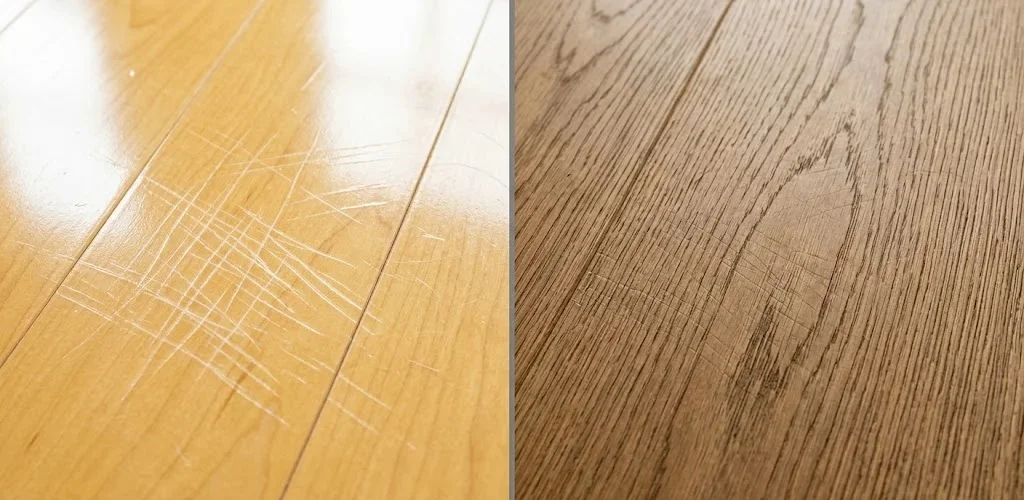
Title: engineered-wood-flooring-dog-scratches-wire-brushed-finish
But here’s a raw detail: wire-brushing feels rough under bare feet. My wife complained for a year. Trade-offs.
Sunlight Fades Wood. Yes, Even Engineered
UV light breaks down the finish and changes the wood color. Oak darkens. Cherry darkens more. Maple lightens.
According to the Wood Floor Business magazine, you can see noticeable change in 6–12 months of direct sunlight.
Solution? Rugs. Curtains. UV-blocking window film. Or accept that your floor will age. Some people like the patina. I do. My wife doesn’t. She bought more rugs.
Comparison Table (Because Sometimes You Just Want the Numbers)
| Feature | Engineered Wood | Solid Hardwood | Laminate |
| Top layer | Real wood veneer | Full wood thickness | Printed photo of wood |
| Refinishing | 0–2 times (depends on veneer) | 5–10 times | Never |
| Moisture resistance | Moderate | Low | High (but not waterproof) |
| Cost per sq ft (installed) | $6–14 | $8–20 | $3–7 |
| Lifespan with care | 20–40 years | 50–100+ years | 10–20 years |
| Can go over concrete | Yes | No (needs plywood subfloor) | Yes |
| DIY-friendly | Click-lock: yes | No (nail/glue) | Yes |
Quick Answers to What People Actually Ask
No. Unless it’s rated “waterproof” – but that’s not real wood. I’ve seen it done. Regretted it every time.
48–72 hours. Open boxes. Stack with spacers. The NWFA says wood and subfloor moisture should be within 2–4%. I skipped this once. Planks gapped. Don’t skip it.
Click-lock for DIY. Glue-down for pros. Click-lock floats – feels a bit spongy. Glue-down feels solid but hard to remove later. I prefer click-lock on concrete, glue-down on plywood.
Not naming one – no kickbacks. Look for: veneer thickness at least 3mm, plywood core (not fiberboard), aluminum oxide finish, 25+ year warranty that covers normal wear. Reddit’s r/Flooring has brand threads. Go read those.
Last Thing Before You Buy
Engineered wood isn’t a scam. But cheap engineered wood is.
The people who trash-talk it? Bought the $3 stuff. 1mm veneer. No refinishing possible. Warped within a year.
The people who swear by it? Spent $8–12 per foot. Got 4mm or 6mm veneer. Installed over concrete or radiant heat. Ten years later, still flat.
Here’s your checklist before buying:
- Subfloor type?
- Average humidity in the room?
- Pets? Kids?
- Willing to wipe up spills immediately?
Answer those. Then choose engineered wood, solid hardwood, or something else. Don’t let a salesperson decide for you.

 Decor & Improvement Accessories