

Home & Decor Blogs: DIY, Interior Design & Lifestyle Ideas
Foundations of a Healthy and Comfortable Home
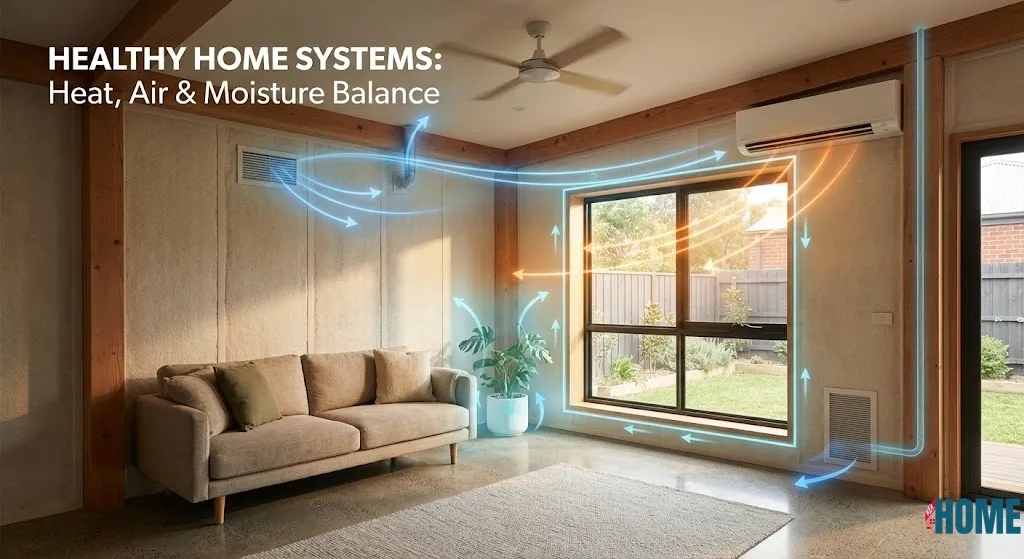
Creating a healthy, comfortable home starts with a systems approach that manages heat, air, and moisture at the building shell. The shell, or building envelope, is the barrier between indoors and outdoors and includes your roof, walls, windows, doors, and floor. When this layer performs well, ventilation, efficient equipment, and smart maintenance routines can fine-tune comfort instead of fighting basic design flaws. Too many Australian homeowners chase expensive gadgets while ignoring these fundamentals, which actually determine how a house feels and what it costs to run.
Australia spans climate zones from tropical Darwin to alpine regions, and common construction types such as brick veneer, weatherboard, and apartments respond very differently to heat and moisture. The same product can perform brilliantly in one location yet cause condensation or overheating in another. Effective solutions must be tailored to your climate, building type, and household needs. This guide walks you through a stepwise upgrade plan with practical actions suited to capable DIYers and to projects that need licensed trades.
Healthy And Comfortable Australian Homes Balance Temperature, Air Quality, Moisture, And Running Costs.
A healthy, comfortable home maintains steady temperatures, clean indoor air, low moisture risk, and manageable running costs. Thermal comfort comes from reducing cold draughts and hot spots by improving insulation, sealing gaps, and using correctly sized heating and cooling, paired with ceiling fans to boost perceived comfort.
Indoor air quality focuses on limiting particulate matter, which is made up of tiny airborne particles, and gases such as nitrogen dioxide. Key actions include capturing and exhausting moisture and cooking emissions outdoors and supplementing with filtration during smoke events. Heating and cooling can account for up to fifty percent of home energy use in Australia, so envelope improvements and efficient systems materially reduce bills.
Climate nuance matters enormously. Darwin tends to prioritise shading, ventilation, and dehumidification. Melbourne needs balanced airtightness with effective extraction and winter solar gains through north-facing glass. Canberra demands high insulation levels, careful vapour control using appropriate membranes, and roof-space ventilation to manage condensation risk.
Sealing Smartly, Then Ventilating Deliberately, Cuts Draughts Without Sacrificing Fresh Air.
Tightening the envelope with targeted draught sealing comes first, then providing controlled exhaust and make-up air ensures fresh air enters from the right places. Common leakage points include door and window perimeters, sliding glass door tracks, unsealed downlights, bathroom fan housings, and gaps at skirtings and architraves. CSIRO research suggests uncontrolled air leaks can account for roughly fifteen to twenty-five percent of winter heat loss in a typical Australian home.
Finding and Fixing Common Leaks
- Check door frames, thresholds, and window sashes for light gaps; adjust hardware and add compression or brush seals.
- Inspect downlight penetrations and fan housings; use compliant covers and sealants suitable for high temperatures.
- Seal gaps around plumbing and cable penetrations with fire-safe materials compatible with the surrounding construction.
- Fit quality perimeter seals and door sweeps to external doors to block draughts at floor level.
Do a DIY smoke-pencil or incense-stick test on windy days to identify problem areas. After sealing work, track improvements by noticing fewer cold spots and logging lower heating run times on days with similar weather.
Balance with Controlled Ventilation
Plan for make-up air where required so exhaust fans perform without pressure issues. Use door undercuts or transfer grilles to supply replacement air from clean zones. Never discharge exhaust air into roof spaces; instead, run ducting outdoors to reduce moisture accumulation and mould risks in building cavities.
Effective Moisture Control Prevents Mould And Protects Both Health And Building Fabric.
Source-control moisture with outdoor-exhausted fans, fix leaks fast, and insulate cold surfaces to starve mould and dust mites while protecting building fabric. Vent showers, cooking, and clothes drying outdoors whenever possible. The National Asthma Council Australia notes that mould and dust mites are common asthma triggers, especially in damp, poorly ventilated homes.

High-Moisture Rooms First
- Bathrooms: use run-on timers after showers and squeegee wet surfaces
- Laundry: use vented dryers ducted outdoors or heat-pump dryers with condensate management
- Place hygrometers in bathrooms, bedrooms, and wardrobes
- Respond when relative humidity stays above sixty percent with increased extraction
Building fixes include insulating cold surfaces such as external walls behind wardrobes, maintaining gutters, ensuring subfloor ventilation in timber floors, and repairing plumbing quickly. In colder climate zones, NCC 2022 requires roof-space ventilation with minimum free-area openings to mitigate condensation risk in roof cavities.
Well-Planned Ventilation Supports Respiratory Health And Reduces Moisture Problems.
Use code-compliant extraction that discharges outdoors, interlock bathroom fans with lighting where required, and add HEPA filtration on smoke days. HEPA (high efficiency particulate air) filters capture very fine particles that standard filters miss. The National Construction Code (NCC) 2022 requires kitchen, bathroom, toilet, and laundry exhaust to discharge outdoors. Non-continuous bathroom fans in rooms without natural ventilation must run for ten minutes after the lights switch off.
Kitchens and Extraction
Prefer ducted rangehoods exhausting outdoors and use them every time you cook, especially on gas, to capture moisture and combustion by-products. Maintain baffle filters and check backdraft dampers seasonally. Seal roof and wall penetrations carefully to prevent water ingress and uncontrolled air leakage.
Smoke Event Response
Australia’s twenty-four-hour PM2.5 standard, which covers fine particles smaller than 2.5 micrometres, is twenty-five micrograms per cubic metre under the Air NEPM, and will tighten to twenty in 2025. On smoke days, EPA Victoria advises staying indoors, closing windows, setting air conditioning to recirculate, and using HEPA air cleaners sized to the room. Ventilate when outdoor air improves, even if that is only for short windows overnight.
Smart Insulation And Passive Design Depend On Your Climate Zone.
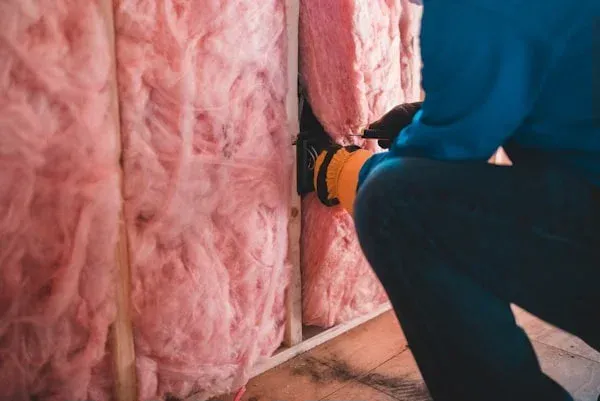
Start with ceilings and roofs for major comfort gains. Then address walls and floors while checking condensation risks for your climate zone. YourHome notes that insulation is essential for comfort when correctly specified and installed. Poor installation, such as gaps or compression, can negate most of its rated performance.
Climate-Specific Priorities
- Cold climates: increase R-values, consider slab edge insulation, pair with roof-space ventilation
- Warm climates: prioritise shading, low solar heat gain glazing, and cross-ventilation
- All climates: confirm continuous coverage without compression around services
Shade east and west windows in hot regions while admitting low winter sun in cool zones. Consider window films, external blinds, or upgraded glazing to manage solar gains and losses effectively.
Right-Sized Heating And Cooling Support Comfort, Air Quality, And Manageable Bills.
Reverse-cycle air conditioners heat efficiently in winter and cool in summer; size them correctly, zone sensibly, and pair them with fans and a tight shell for best results. Improving insulation and draught proofing significantly reduces energy demand before you even switch equipment on.
Calculate room heat loss by climate and envelope quality. Avoid oversizing systems, which worsens dehumidification and causes short-cycling. Close off seldom-used rooms, set modest temperature targets, and use ceiling fans to extend the comfort range. Clean indoor filters quarterly and schedule professional service before peak seasons.
Air Conditioner Rebate Victoria Can Significantly Reduce Upfront Costs For Efficient Systems.
Victorian households and businesses can access substantial discounts for efficient reverse-cycle systems through the Victorian Energy Upgrades (VEU) program when systems are installed by accredited providers. Eligibility varies by system capacity, type, and what equipment you are replacing, with indicative household discounts sometimes reaching into the thousands of dollars.
Confirm your installer is VEU-accredited, verify product eligibility, and obtain a written quote showing the incentive and your contribution. Ensure warranty coverage is clear for both the product and workmanship, and know who to contact for support. Victorian households can verify eligibility, see indicative discounts, and request a split-system quote via Savage Air’s accredited provider resource at air conditioner rebate Victoria to reduce upfront costs under the VEU scheme.
Indoor Air Quality Improves When You Control Combustion Sources, Particles, And Allergens.
Use ducted rangehoods every time you cook, flue gas heaters outdoors, and manage allergens with regular cleaning, filtration, and humidity control. If you use gas appliances, ensure strong kitchen extraction and plan for electrification over time to reduce nitrogen dioxide and indoor particulate exposure.
For allergen management, damp-dust surfaces regularly, hot-wash bedding, and encase mattresses if dust mites trigger symptoms. Use a vacuum with a HEPA filter on hard floors and carpets. Low-cost particle sensors are useful for trend-spotting during cooking and smoke events, helping you link readings with actions and refine routines.
Sleep-Smart Bedrooms Use Temperature, Light, And Noise Control To Support Deep Rest.
Target cool, dark, and quiet conditions with breathable bedding and low-allergen practices to improve sleep quality. The Sleep Health Foundation recommends around seventeen to nineteen degrees Celsius for most adults. Use ceiling or pedestal fans for gentle airflow to expand comfort without overcooling.
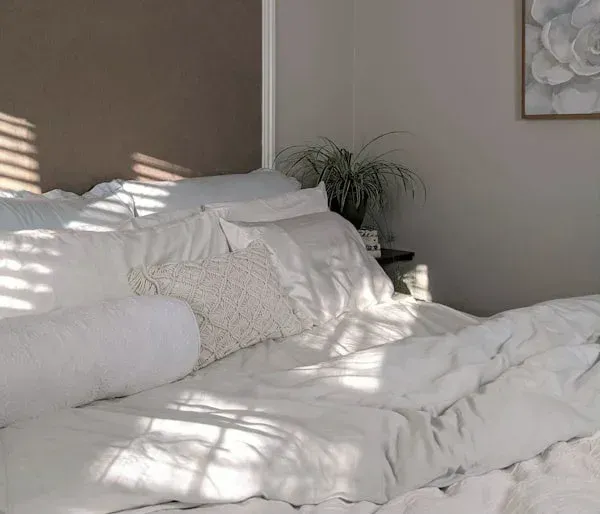
Seal door gaps, use soft furnishings for sound absorption, and install blackout blinds. Keep wardrobes slightly away from cold external walls to prevent condensation and mould growth behind furniture. Allow airflow around the bed, avoid storing items under it if possible, and maintain clear egress paths for emergencies.
Safe Water And Secure Fixtures Reduce Everyday Health And Injury Risks At Home.
Australia is transitioning to lead-free plumbing products for drinking water contact, with mandatory use from May 2026. During renovations, prioritise Lead Free WaterMark-certified taps and mixers, swapping legacy brassware in areas used for drinking and cooking first. Look for the Lead Free WaterMark symbol on packaging or product bodies. Flush seldom-used taps before drinking, especially after stagnation periods such as holidays.
Secure tall furniture and TVs to studs with rated hardware; ACCC data shows toppling furniture has caused at least twenty-eight deaths since 2000 and over nine hundred injuries yearly. Anchor wardrobes and bookcases, use non-slip underlays for rugs, and add handrails to stairs. Know when to hire licensed trades for electrical, gas, and structural work rather than attempting risky DIY.
Budget Planning Helps Sequence Quick Wins And Bigger Upgrades For Strong Returns.
Start with low-cost, high-return actions, then plan staged upgrades tied to renovations and available rebates. Under two hundred dollars, focus on door seals, exhaust-fan backdraft dampers, LED swaps with typical payback under one year, and hygrometers. LEDs use about seventy-five percent less energy than halogens.
For two hundred to two thousand dollars, consider blower-door testing, targeted insulation top-ups, a dehumidifier, and a portable HEPA cleaner. Blower-door tests use a temporary fan in an external door to measure leakage and locate major gaps. Above two thousand, invest in split-system heat pumps, comprehensive insulation, and window upgrades while leveraging state program discounts. Victoria’s seven-star energy standard typically reduces heating and cooling energy by around twenty to twenty-five percent compared with six-star homes.
Pressure Care Mattress Selection Supports Comfort And Reduces Pressure Injury Risk.
A pressure-redistribution support surface can improve comfort and reduce pressure injury risk when used alongside repositioning, mobility support, and clinical advice. Category options include foams, gels, hybrids, and active alternating systems that distribute load based on mobility level and clinical risk.
Look for zoned support, breathable covers, cleanability, and compatibility with adjustable bases. Ensure correct sizing for the bed frame so safety rails and side supports work as intended. A suitable mattress complements regular repositioning schedules and skin checks. If you are comparing Australian options, you can review features and sizes of a pressure care mattress from Back to Sleep to support comfort alongside clinical guidance.
Small, Coordinated Changes Compound Into A Healthier, More Comfortable Home.
Healthy comfort is a system that combines shell improvements, ventilation, moisture control, efficient equipment, and routine care, and it is achievable in any home with a stepwise plan. Use these strategies to lock in quick wins now, then scope sealing, insulation, and right-sized heat pumps aligned with state programs and building requirements.
Revisit your home seasonally: measure, maintain, and adjust habits so improvements persist through heat waves, cold snaps, and smoke events. Document what works so you can repeat successes and continue building on your foundation of comfort and health.

 Decor & Improvement Accessories