

Home & Decor Blogs: DIY, Interior Design & Lifestyle Ideas
Why Home Brands Ditched Print Lookbooks for Digital Magazines

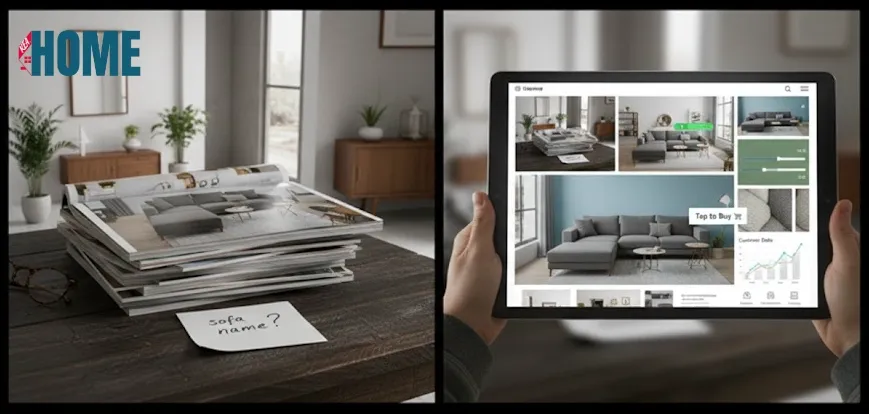
Print lookbooks had a good run. Those glossy pages showing perfectly styled rooms, coordinated furniture sets, and color palettes arranged just so. Designers flipped through them for inspiration. Retailers used them to decide what to stock. They worked.
But they also had problems nobody could fix without changing the format entirely.
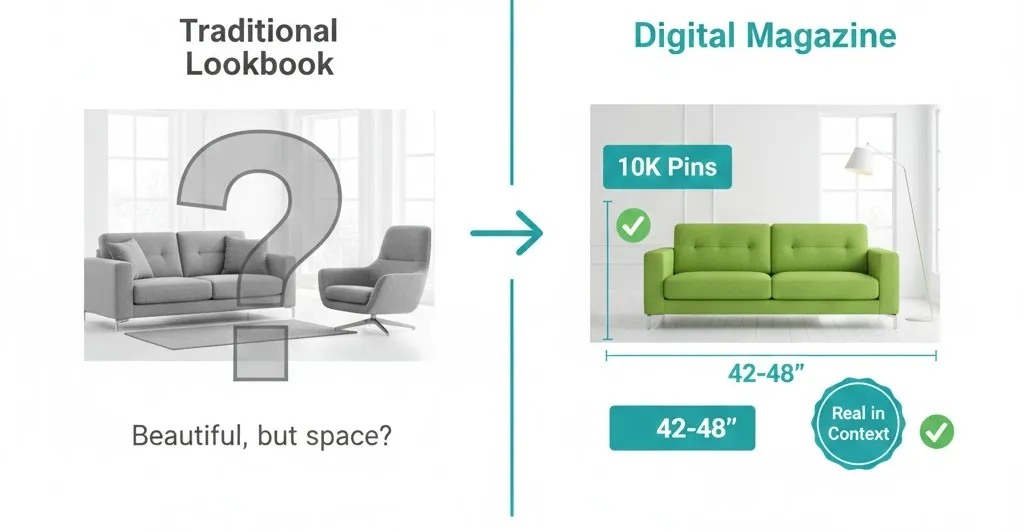
A customer sees a sofa in a lookbook. It’s photographed in one room, one lighting setup, one arrangement. Does it work in a smaller space? What about with different colored walls? No way to know. The page just sits there, static, asking people to imagine something they can’t actually see.
Digital magazines solve that. And the switch isn’t really about saving money on printing or being more environmentally friendly (though both happen). It’s about giving customers something that actually helps them buy furniture with confidence.
One Product, Multiple Settings
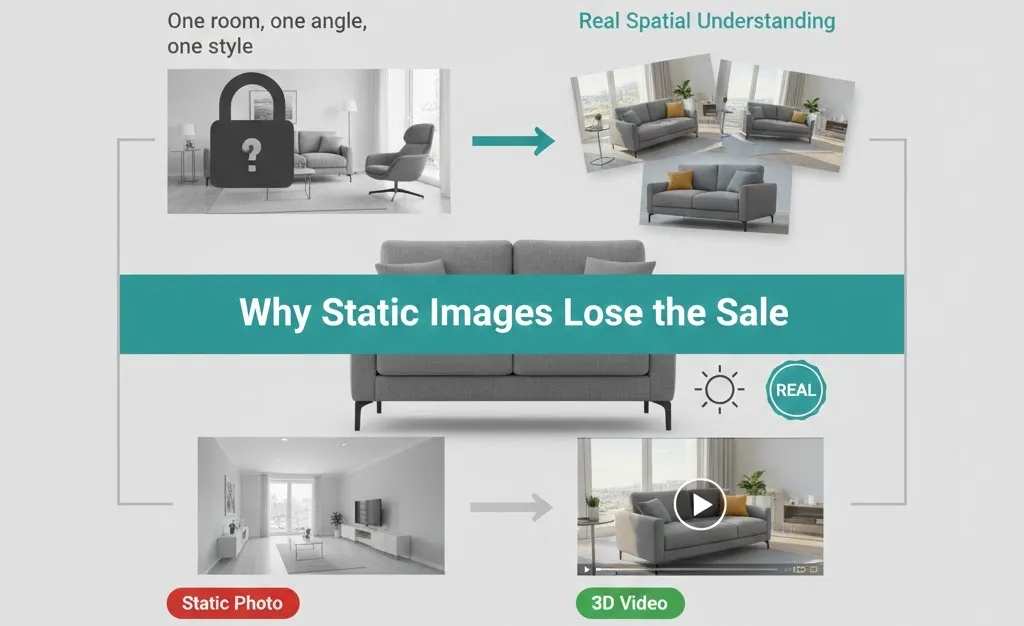
Static images trap products in single moments. That grey sectional exists only in that one staged living room with those specific throw pillows and that particular rug. Customers have to mentally transplant it into their own space, which is hard. Most people aren’t interior designers.
Digital formats let you show the same piece styled ten different ways. Modern minimalist. Cozy traditional. Small apartment. Open floor plan. Customers scroll through until something clicks with their taste and their actual living situation.
Video takes this further. A room tour shows how light moves through the space throughout the day. You see how the furniture proportions actually relate to the room size. Angles change. You get a sense of the piece existing in three dimensions rather than frozen in a photograph.
That spatial understanding matters enormously for furniture. People hesitate to buy big items online because they can’t judge the scale from pictures. Movement and multiple perspectives reduce that uncertainty.
From Looking to Buying Without the Friction
Here’s what happened with print lookbooks. Someone sees a bedroom setup they love. They want that nightstand. Now they have to remember the product name (or write it down), put the lookbook aside, open their laptop or phone, navigate to the website, search for the product, find it, and then buy it.
Every step loses people. They get distracted. They forget. They find something else. The gap between inspiration and purchase was just too wide.
Digital magazines collapse that gap. Tap the nightstand in the image. Product page opens. Price, dimensions, availability, purchase button – all right there. Someone can go from “that looks nice” to “order confirmed” in under a minute.
Some brands have taken this even further with integrated carts. You’re browsing a styled room, and you add the bed frame. Keep scrolling, add the matching dresser. Add the lamps. Checkout happens inside the magazine experience. No bouncing between tabs, no losing your place.
This matches how people actually shop for home goods. They want coordinated pieces. They’re building a room, not buying isolated items. Letting them shop that way just makes sense.
Teaching People What They Need to Know
Lookbooks prioritize pretty over practical. You’d see beautiful rooms but learn almost nothing about the actual products. What wood is that table made from? How durable is the upholstery? What are the exact dimensions? You’d have to hunt down that information elsewhere.
Digital magazines can weave education into the inspiration. A feature on a dining collection includes a guide to different wood finishes right there in the content. An article about sofas explains fabric durability ratings. Sizing recommendations appear alongside the products they apply to.
Customers don’t feel like they’re reading technical specs. The information just shows up when it’s relevant, in context, while they’re already engaged with the content.
Before-and-after transformations work particularly well digitally. Real customer rooms, real products, interactive sliders showing the transformation. That kind of proof carries weight that styled photography can’t match.
Different Content for Different Customers
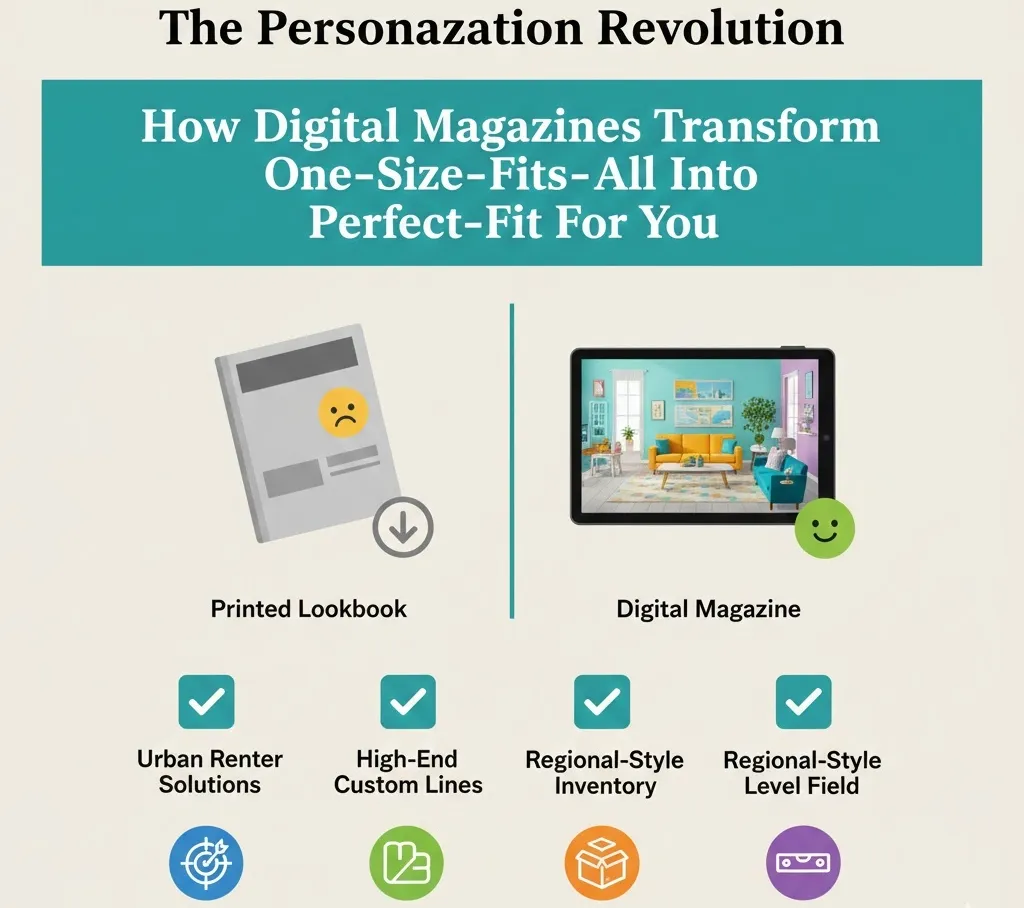
A printed lookbook forced one perspective on everyone. The same book went to first-time apartment renters and wealthy homeowners renovating vacation properties—no way to tailor anything.
Digital changes that equation completely. The same underlying content can emphasize different products, show different room styles, and highlight different price points depending on who’s viewing. Someone browsing from a zip code with smaller average home sizes sees compact furniture solutions. Someone with a history of high-end purchases sees premium lines.
Regional customization matters too. People in different parts of the country have different style preferences. Inventory varies by location. A digital magazine can show tropical-styled rooms to customers in warm climates and cozy cabin aesthetics to mountain regions, featuring products actually available in those areas.
The ability to publish your own magazine online with this kind of personalization used to require massive budgets and technical teams. Now, smaller home brands can deliver experiences that compete with major retailers. The playing field leveled considerably.
Actually Knowing What Works
Print lookbooks disappeared into the void. Brands spent serious money on photography, styling, printing, shipping – then had zero idea what happened next. Did anyone look at page 47? Did the modern bedroom spread drive sales? Nobody knew. Next year’s lookbook was designed on guesswork.
Digital magazines generate data on everything. Time spent on each page. Which images get zoomed? Which products get clicked? Which content leads to purchases?
A brand might discover its Scandinavian-styled rooms get twice the viewing time of traditional American styles. That’s useful information for product development, not just marketing. Or heat mapping might show customers zoom in on fabric textures more than full room shots, suggesting they want more detail photography.
These insights accumulate over time. Each issue teaches you something about your customers. Print never offered anything like this.
Staying Connected Between Purchases
Furniture buying doesn’t happen constantly. Someone furnishes a living room and might not need anything else for years. Lookbooks were purely transactional – here’s this season’s stuff, buy it or don’t, see you next collection.
Digital magazines can maintain relationships during those long gaps. Monthly or quarterly issues with design ideas, styling tips, trend forecasts, and customer home features. People stay subscribed because the content has value beyond shopping.
When they are ready to buy again, they already know the brand. They’ve been seeing products for months. They might have a mental wishlist built up from browsing previous issues.
Content archives add another dimension. New customers can explore back issues to understand a brand’s aesthetic and quality. Someone planning a home renovation might spend weeks gradually going through content, building confidence before making big purchases.
Reacting Fast When Things Change
Print timelines are brutal. Decisions made months ago get locked in. If a trend shifts, if a product sells out, if customers complain about something – too bad. The lookbook ships as planned.
Digital content can change immediately. Product sells out faster than expected? Update the magazine with alternatives the next day. Customers confused about assembly? Add a video explaining it. A style that seemed promising falls flat? Pivot the focus.
Seasonal timing becomes precise. Spring cleaning motivation hits in March? Release the organization-focused issue right then. Holiday entertaining prep starts in November? Content goes live when people are actually thinking about it. Print schedules made this kind of timing nearly impossible.
Print Lookbooks vs Digital Magazines
| Aspect | Print Lookbooks | Digital Magazines |
|---|---|---|
| Product views | Single styled image per product | Multiple rooms, angles, video tours |
| Purchase path | Tap to buy directly from the content | Tailored by customer segment, location, and history |
| Customer data | None after mailing | Page views, clicks, time spent, conversions |
| Personalization | Same content for everyone | Tailored by customer segment, location, history |
| Content updates | Locked once printed | Editable anytime |
| Cost per issue | Printing, shipping per copy | One-time creation, unlimited distribution |
| Shelf life | Outdated by next season | Archives remain valuable |
| Education | Minimal space for details | Embedded guides, videos, sizing tools |
This Shift Already Happened
The transition from print lookbooks to digital magazines isn’t theoretical. Home brands made this move years ago, and the ones who did it well saw better engagement, higher conversion rates, and customers who actually stick around between purchases.
The format works because it matches how people actually want to shop for furniture. They want to see products in context. They want information when they need it. They want to buy without jumping through hoops. They want content that respects their time and their specific situation.
Print lookbooks couldn’t deliver any of that. Digital magazines can.
 Decor & Improvement Accessories