

Home & Decor Blogs: DIY, Interior Design & Lifestyle Ideas
Lotology: Redefining Art and Design for the Modern Home

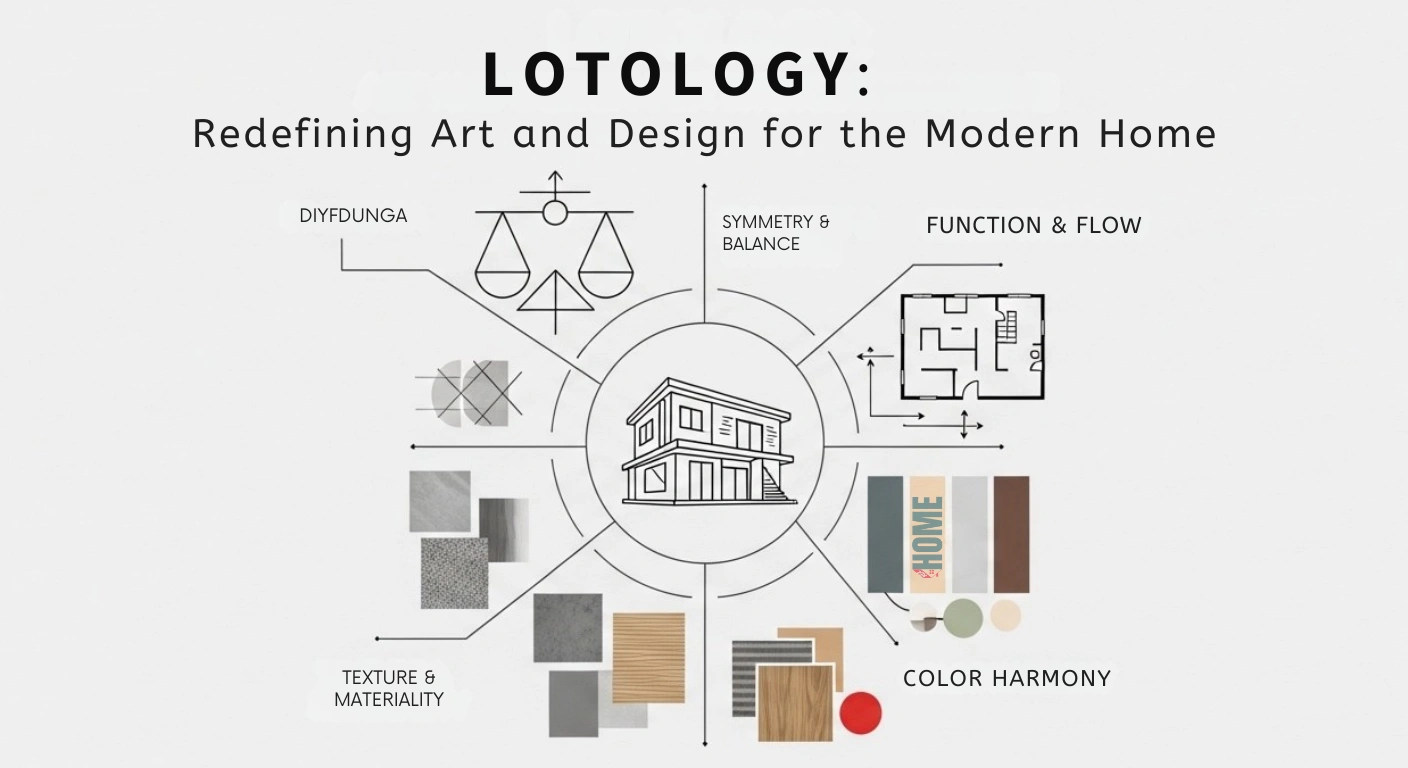
Have you ever walked into a home and felt something was missing. The furniture looked fine, the colors matched, and everything was in its place. Yet somehow, the space felt empty like a song without a chorus. That missing piece is often art and thoughtful design, and this is exactly where Lotology comes into play.
Lotology represents a fresh approach to how we think about art and design in our living spaces. It’s not about filling walls with random prints or following every trend that pops up on social media. Instead, it’s about creating meaningful connections between art, design, and the people who live in these spaces every day.
What Exactly Is Lotology in Home Design?
Understand the Core Philosophy:
Lotology ultimately combines aesthetics with the practical aspects of living. Consider it a bridge between museum-quality art appreciation and your living room couch. The philosophy urges homeowners to treat their space as the personal gallery where every single piece narrates a tale.
It is a departure from the “decorator catalog” approach, in which everything matches but nothing has soul. Instead, it’s all about Lotology and allowing people to embrace their singularity and mix periods, styles, media in any way that speaks to them.
The Roots of This Movement:
It synthesizes elements of multiple design traditions while transcending the boundaries of each in turn. Excessive ornamentation, cluttered interiors The classic formality of traditional interior design frequently relegated art to second-class status, with paintings seen as added-on after the fact. Lotology turns this script on its head, proposing that art can and should lead design rather than be afterthought.
Design gurus including have observed a pronounced change in the way people treat their home, especially in relation to interiors. Homeowners are looking for happiness, individuality and self-expression in their spaces. That means the refreshed acceptance of vivid hues, strong design flourishes, and bespoke details all tenets of the Lotology way of looking at things.
How Lotology Differs from Traditional Interior Design
Breaking Away from Matching Sets:
Classic design often hinged on matching wood colors, complementary paint palettes and purchased-in-pairs furniture. And while this kind of sweet visual unity can be beautiful, it also can leave you somewhere that feels decorated rather than lived in.
Lotology takes a different path. It is a celebration of the beautiful chaos that arises when you mix a vintage armchair with a contemporary one, or place an abstract painting in a room filled with antique wooden furniture. It’s not perfect matchiness that you’re aiming for here, but rather some contrasting and meaningful conversation between one element and the next.
Art as the Starting Point:
One of the most significant departures from traditional design is how Lotology positions art in the planning process. Rather than choosing paint colors first and artwork last, this approach suggests beginning with a piece of art you love and building the room around it.
This might mean finding a painting that speaks to you and then selecting furniture, textiles, and accessories that enhance and respond to that artwork. The result is a space where art doesn’t just hang on walls it becomes the heartbeat of the room.
Personal Narrative Over Trend Following:
While traditional design often chases trends, Lotology prioritizes personal narrative. Your grandmother’s quilt displayed alongside a modern photograph from your travels tells a story that no designer catalog can replicate.
Key Elements of Lotology Inspire Spaces
Intentional Clutter and Curated Collections:
As it happens, one of the most fashionable concepts in modern design is a natural fit with Lotology principles: deliberate clutter. This doesn’t mean mess or disorganization. Rather it is the considered placement of bric-a-brac, books, art and objects that relate to those who live there.
Rooms in this style might include stacked books, layered throws, grouped ceramics and walls covered in art of assorted sizes and styles. Intentional is the key word here. Each thing has some justification in meaning or beauty, necessarily both.
Layered Textures and Materials:
Lotology-inspired spaces often feature rich layers of texture. Key texture elements include:
- Walls treated with limewash, plaster, or textured paint techniques
- Fabrics ranging from smooth velvet to rough linen in the same space
- Natural materials like wood, stone, and metal mixed with glass and acrylic
- Handcrafted items placed alongside manufactured pieces
- Woven textiles such as rugs, throws, and wall hangings
- Raw and polished surfaces creating visual contrast
Meaningful Color Choices:
Color is the lifeblood of Lotology design, not in the you can put together a bunch of palettes manner that’s considered traditional. But rather than safe neutrals, or even tame pairings, this is an invitation to embrace bold color for its emotional power.
Design forecasters have noticed a shift toward layered, moodier interiors with less dependence on pure white. There is a trend toward rich jewel tones such as emerald green, sapphire blue and deep burgundy. These colors evoke feelings and turn rooms into experiences, not just the backdrop of them.
Practical Ways to Bring Lotology Into Your Home
Start with What Moves You:
Before purchasing anything new, take inventory of items you already own that hold meaning. Perhaps it’s a piece of pottery from a memorable vacation, a painting you inherited, or photographs that capture important moments. These become the foundation of your Lotology approach.
Create Conversation Between Elements:
Once you’ve identified your meaningful pieces, consider how they might “talk” to each other in your space. A colorful abstract painting might inspire the hue of throw pillows across the room. The curves in a sculpture might echo the shape of a lamp or chair.
This dialogue between elements creates cohesion without resorting to matching sets or rigid color schemes.
Mix Eras and Styles Fearlessly:
Don’t hesitate to mix antique pieces with contemporary art or vintage finds with modern furniture. Design professionals are increasingly encouraging clients to mix in older pieces at home as objects that are all new can actually age a space more quickly than you’d expect.
A midcentury modern chair might look great under a contemporary photograph. A room full of minimalist furniture might be brightened up with an Art Deco light fixture. These combinations add interest and depth to your room while also preventing it from looking stuck in any single time period.
Consider Art Beyond Traditional Frames:
Lotology encourages thinking about art in expanded ways. Non-traditional art options include:
- Sculptural pieces that occupy floor space
- Textile art hanging like tapestries
- Three-dimensional installations in corners
- Ceramics displayed on open shelving
- Handwoven baskets grouped on walls
- Vintage mirrors arranged as gallery pieces
- Found objects with interesting forms
- Plants as living sculptural elements
Room-by-Room Application of Lotology Principles
The Living Room as Gallery:
The living room often serves as the primary space for Lotology expression. This is where families gather, guests are entertained, and daily life unfolds. Consider creating a statement wall where art becomes the focal point, with furniture arranged to both view and interact with the pieces.
Lighting plays a crucial role here. Picture lights above artwork, dimmable ambient lighting, and strategically placed lamps can transform how art is experienced throughout the day and evening.
Bedrooms as Personal Sanctuaries:
In bedrooms, Lotology takes a more intimate turn. Here, the art design choices become deeply personal pieces that comfort, inspire, or simply bring joy upon waking. Consider artwork positioned to be viewed from the bed, textiles that invite touch, and objects on nightstands that hold personal significance.
Kitchens Beyond Function:
Modern kitchen design increasingly embraces artful elements. This might include dramatic colored cabinetry, statement stone countertops with beautiful veining, or open shelving that displays ceramics and cookware as functional art.
The trend toward colorful kitchens has accelerated, with homeowners choosing bold hues for cabinets, dramatic stones for surfaces, and mixed metals for hardware and fixtures. This represents Lotology principles applied to traditionally utilitarian spaces.
Hallways and Transition Spaces:
Often overlooked, hallways and transition spaces offer unique opportunities for Lotology expression. These passages can become gallery spaces themselves, featuring art collections that unfold as you move through the home.
Consider varied frame sizes, mixed mediums, and intentional lighting in these spaces. A well-curated hallway creates anticipation and connection between rooms.
The Role of Technology in Modern Lotology
AI Art and Customization:
Technology is changing how we experience art at home. So-called “AI art generators” are available now which means that a homeowner can procure their very own, personalised painting to match the exact vision they have in mind, right down to specific colours and styles. This is art’s two way street and it fits with Lotology’s focus on personal expression.
Now someone who adores the aesthetic of classical oil paintings but desires a painting of their pet or favorite landscape can create just that. Designers from the indoors are using these tools to offer clients a glimpse of what’s possible before they have to commit to purchases.
Digital Integration:
Smart home technology is becoming increasingly integrated into design, but Lotology principles suggest this should happen subtly. Hidden speakers, wireless charging surfaces, and voice controlled lighting should enhance the experience of art and design rather than distract from it.
The best technology integration serves the art rather than competing with it.
| Aspect: | Traditional Design: | Lotology Approach: |
|---|---|---|
| Art Selection | Chosen after furniture and paint | Guides overall design direction |
| Color Palette | Coordinated, often neutral | Bold, emotional, story-driven |
| Furniture | Matching sets preferred | Mixed eras and styles encouraged |
| Display Style | Minimal, curated | Intentional abundance |
| Personal Items | Limited display | Central to design narrative |
| Trends | Often followed closely | Personal meaning prioritized |
| Texture | Consistent throughout | Layered and varied |
| Lighting | Functional focus | Art-enhancing focus |
| Budget Approach | New pieces emphasized | Vintage and antique valued |
| Room Function | Clearly defined | Multifunctional spaces |
Common Mistakes to Avoid
When implementing Lotology principles, watch out for these pitfalls:
- Overcrowding without intention – Every piece should earn its place through beauty, meaning, or function
- Ignoring scale and proportion – Small pieces get lost on large walls while oversized art overwhelms intimate spaces
- Forgetting about lighting – Art requires proper illumination to shine; consider both natural and artificial light sources
- Treating every room the same – Bedrooms need quieter pieces while entertaining spaces can handle bold statements
- Copying trends blindly – Lotology is about your story, not someone else’s aesthetic
- Rushing the process – Great spaces evolve over time as you find meaningful pieces
- Neglecting negative space – Even with intentional clutter, rooms need breathing room
- Overlooking practical needs – Art and design should enhance daily life, not complicate it
FAQs
What is the main principle behind Lotology in home design?
Lotology prioritizes personal expression and storytelling over trend-following, treating homes as personal galleries where every element contributes to a meaningful narrative.
Do I need expensive art to practice Lotology?
No. Lotology values meaning over monetary value, so a personal photograph can be more powerful than an expensive print with no connection to your life.
Can Lotology work in small spaces?
Yes. Small spaces benefit from intentional choices where a single significant artwork can anchor the room without overwhelming it.
How do I start implementing Lotology principles?
Begin by identifying items you already own that hold meaning, then gradually add elements that enhance your personal story.
Is Lotology compatible with minimalism?
Yes. Both share the principle of intentionality, and a minimalist Lotology approach features fewer but more impactful pieces.
How often should I update my Lotology-inspired space?
Unlike trend-driven design, Lotology spaces evolve organically as your life changes rather than requiring complete overhauls.
Can I hire a designer to create a Lotology space?
Yes, but your personal story and preferences must guide the process since the heart of Lotology requires your active participation.
Final Thoughts
Lotology is a lot more than design style, it’s permission to let your home be really yours, and allowed to use the pieces that really move you in ways that tell your story. In an age of mass-produced furniture and algorithm-governed trends, your home no longer has to look like a magazine spread it should be all about you; your experiences, your ideas, and your vision of beauty. It starts today by selecting that art piece you have always loved to be placed where everyone can see it, show that family heirloom instead of hiding it away and combine styles without fear because your space is ready to tell your story and Lotology is here to help with the writing.
 Decor & Improvement Accessories