
Home & Decor Blogs: DIY, Interior Design & Lifestyle Ideas
Fontlu: The Future of Font Management and Customization in Real Estate

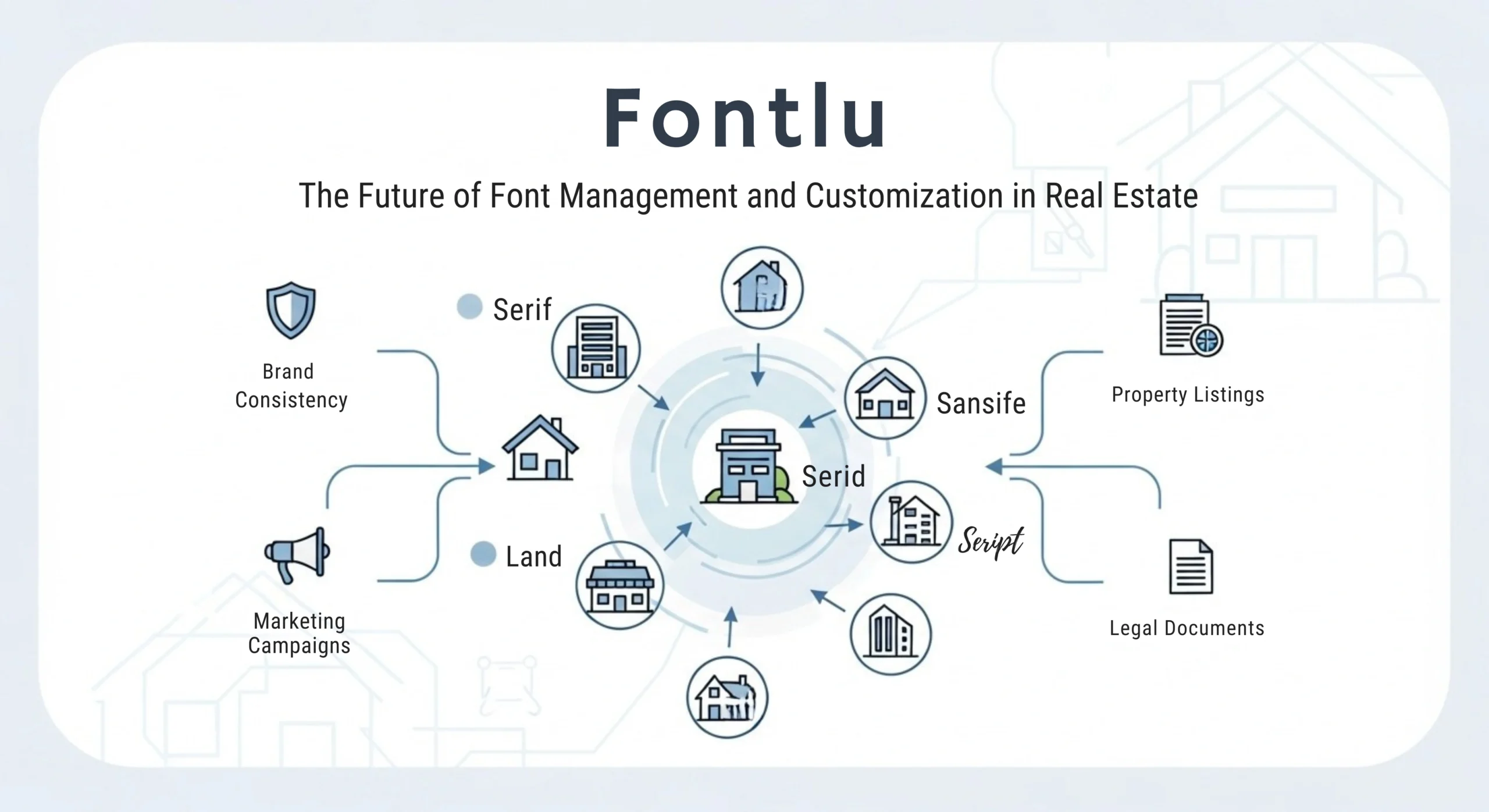
Font choices close deals. That’s not a metaphor — a buyer encountering your listing brochure makes a subconscious judgment about your credibility before reading a single word. Fontlu is the tool built specifically to make sure that judgment goes your way. It handles font organization, AI-driven pairing and team-wide brand consistency so real estate professionals stop losing ground on something most of them never thought to control.
What Fontlu Actually Does (And What Makes It Different)
Fontlu isn’t a font website where you download typefaces and hope for the best. It’s a management and customization platform — the operational layer that sits between your font library and every piece of marketing your team produces.
The core functions:
- Centralized library management — All your fonts, organized by campaign, property type or market segment. No more digging through folders or emailing designers to ask which Montserrat weight was used on last quarter’s campaign.
- Style and weight customization — Adjust spacing, weight and sizing directly within the platform. You don’t need to own design software skills to make your headers look sharper for a new development launch.
- AI-driven pairing recommendations — This is the part that saves genuine hours. The system analyzes your project type and suggests pairings that work. Luxury listing? It’ll lean toward an elegant serif paired with a restrained sans-serif body. Suburban family home campaign? Expect warmer, more readable combinations.
- Cloud-based team access — Every agent, every market, every timezone. One approved font library, always current. No version drift.
- Adobe Creative Cloud and Figma integration — It plugs into the tools your designers already use, so there’s no workflow disruption.
Here’s a quick comparison worth understanding:
| Feature | Traditional Font Managers | Fontlu |
| Cloud sync | Limited or none | Full |
| AI pairing suggestions | Not available | Yes |
| Team collaboration | Basic file sharing | Real-time |
| Customization depth | Minimal | Style, weight, spacing |
| Mobile access | Rarely | Dedicated app |
| Design software integration | Varies | Adobe CC, Figma, more |
One thing that tends to get overlooked: WCAG accessibility guidelines recommend minimum contrast ratios and legibility standards for digital content. Fontlu’s expanding feature set includes accessibility checks — meaning your materials aren’t just on-brand, they’re compliant. That matters more than most agencies realize, especially in markets with diverse buyer demographics.
The mobile app matters too. An agent finalizing a listing presentation from a hotel lobby needs the same approved assets as the designer working from the office. Fontlu doesn’t make that a complicated ask.
Choosing the Right Fonts for Your Real Estate Niche
Not every font works for every market. Here’s how to think about it:
| Font Style | Characteristics | Best Real Estate Use |
| Serif (Garamond, Playfair) | Traditional, trustworthy, elegant | Luxury properties, established brokerages |
| Sans-Serif (Montserrat, Helvetica) | Clean, modern, approachable | Contemporary listings, digital campaigns |
| Geometric Sans (Futura, Avenir) | Sophisticated, forward-thinking | New developments, architectural properties |
| Humanist Sans (Lato, Open Sans) | Warm, readable, friendly | First-time buyer programs, family homes |
| Slab Serif (Rockwell, Roboto Slab) | Bold, confident | Commercial real estate, investment properties |
| Script (use sparingly) | Personal, decorative | Thank-you cards, announcement accents only |
Fontlu’s AI recommendation engine uses project context to steer you toward combinations that fit these categories, so even if your team has no in-house designer, the output reads like it does.
One practical note on script fonts: they’re tempting for luxury branding because they feel premium. They’re also the fastest way to create readability problems at small sizes or on screen. Fontlu’s preview tool will show you this before it becomes a printed mistake.
Why Typography Actually Moves Real Estate
Agents obsess over photography. Staging. Pricing strategy. Typography? Usually an afterthought and that’s exactly the gap competitors exploit.
Research in visual communication is pretty clear on this: typefaces carry emotional weight independent of the words they’re spelling out. A serif font signals stability, history, trust. A rounded sans-serif reads as approachable, modern. Misalign those signals with your actual market position and you’re confusing prospects before the conversation starts.
Think about the difference between a luxury broker’s pitch deck and a first-time buyer program flyer. Same agent, same properties, different audiences expecting a completely different visual language. That expectation gets set by typography faster than any headline copy can.
The National Association of Realtors consistently points to brand trust as a top factor in how buyers and sellers choose representation. Typography is a direct input to that trust signal. It’s just rarely treated as one.
Real estate marketing also fragments across more channels than most industries, yard signs, PDFs, email campaigns, Instagram graphics, printed brochures. Each touchpoint either reinforces the brand or quietly undermines it. When different team members pull from different font libraries on different devices, inconsistency creeps in. Fontlu closes that gap.
How Real Estate Teams Are Using Fontlu Right Now
The platform’s value shows up differently depending on the size and structure of the agency. But a few patterns keep emerging.
Luxury market positioning is where the ROI becomes most visible. High-end buyers are pattern-recognition machines, they’ve seen enough premium marketing to immediately sense when something feels off. An inconsistent font across a property brochure and it’s matching email campaign is a small thing that creates a big subconscious friction. Agencies using Fontlu to lock down a consistent typographic identity across every luxury touchpoint report stronger perceived brand value, without changing a single photo or headline.
Multi-market operations are a messier problem. An agency running campaigns for downtown condos targeting young professionals and simultaneously marketing suburban family homes is essentially running two brands under one roof. Fontlu handles this through segmented collections separate font sets for each audience, each optimized, but all living under one organized platform. The marketing team doesn’t have to reinvent anything when switching between campaigns.
New agent onboarding is the quiet win nobody talks about. Brand inconsistency in most agencies isn’t malicious, it’s just what happens when a new agent grabs whatever font looks decent in Canva. Fontlu gives new team members immediate access to pre-approved collections with zero ambiguity about what to use when. That alone cuts a significant chunk of the rework marketing managers deal with weekly.
The Typography Mistakes Killing Real Estate Brands
These come up constantly. Worth naming them directly.
Font overload. Four different typefaces on one flyer isn’t creative, it’s visual noise. Design consensus generally lands at two, maybe three fonts per piece: one for headers, one for body, one optional accent. Fontlu lets you build locked collections per project type so the temptation to over-experiment gets removed by default.
Choosing style over legibility. That elegant thin-weight serif looks beautiful at full screen. On a yard sign from 40 feet at 35 mph? Invisible. Fontlu’s preview functionality lets you test typefaces across size contexts before committing, billboard scale, business card scale, mobile screen. What reads well in one context can completely fall apart in another.
Channel inconsistency. This one’s systemic, not just aesthetic. When your website uses one font family, your printed materials use another and your social graphics use whatever the freelancer had installed clients subconsciously register the disconnect even if they can’t name it. Brand consistency research from Lucidpress found that consistent branding can increase revenue by up to 23%. Typography is one of the most visible consistency levers available and Fontlu is specifically built to pull it.
One more that rarely gets mentioned: licensing compliance. Fonts aren’t always free to use commercially. An agency unknowingly using a personal-license typeface across paid advertising is exposed to IP claims. Fontlu addresses licensing visibility so your team isn’t accidentally operating outside commercial use terms.
Getting Started With Fontlu: A Practical Approach
No need to overhaul everything at once. The agencies that get the most out of Fontlu tend to start narrow and expand.
Step 1: Audit what you’re actually using. Before importing anything, pull together every marketing asset produced in the last 90 days. Website, print, social, email signatures. Count how many distinct fonts appear. Most agencies are shocked the number is usually double what anyone expected.
Step 2: Define your brand’s typographic personality. Two or three words. Trustworthy and modern? Warm and approachable? Exclusive and restrained? This isn’t a branding exercise for it’s own sake, it directly filters which font collections you build inside Fontlu and which AI recommendations you accept or reject.
Step 3: Build segmented collections. Fontlu’s organizational structure works best when collections map to real use cases in your workflow. A starting point that works for most agencies:
- Core brand fonts — used everywhere, no exceptions.
- Luxury listings — elevated, editorial feel.
- Standard residential — clean, readable, accessible.
- Commercial/investment — bold, data-forward.
- Digital-only assets — screen-optimized weights and sizes.
Step 4: Lock it down for the team. Share the collections, document one simple rule per collection (“use this for X, not for Y”) and grant access through Fontlu’s cloud platform. That’s it. New agents onboard into a system that already has the decisions made.
Step 5: Review quarterly. Typography trends shift — not as fast as social media trends, but fast enough that a font feeling fresh in 2023 can feel dated now. Fontlu’s AI recommendations update with emerging trends, so periodic reviews take minutes rather than a full rebrand discussion.
Key Features of Fontlu That Transform Real Estate Branding
Intuitive Organization and Search Capabilities:
One of the biggest challenges real estate marketing teams face is font chaos. Over time, agencies accumulate thousands of fonts from various projects, campaigns and designers. Finding the right typeface becomes a time-consuming treasure hunt that eats into productive hours.
Fontlu tackles this head-on with a clean, user-friendly dashboard that lets you browse, search and filter fonts instantly. You can organize your collection by project, client, property type or any custom category that makes sense for your workflow. Imagine having all your luxury property fonts in one collection and your commercial real estate fonts in another, accessible with a single click.
Advanced Customization Without Technical Expertise:
Here’s where Fontlu really shines for real estate professionals who aren’t design experts. The platform allows you to modify font settings like style, weight and spacing without needing to understand the technical aspects of typography. Want to make your headers slightly bolder for that new condo development campaign? Fontlu makes it simple.
This level of customization means your branding can evolve with your market positioning. As trends shift toward more expressive typography in 2025 and beyond, you won’t be stuck with rigid font choices that feel dated.
AI-Driven Font Pairing Recommendations:
Choosing fonts is one thing. Pairing them effectively is another challenge entirely. Even experienced designers spend significant time testing combinations to find typography that works harmoniously together.
Fontlu’s AI-driven recommendation engine analyzes your project type and suggests font pairings tailored to your specific needs. For a luxury listing presentation, it might recommend pairing an elegant serif header font with a clean sans-serif body font. For a family-friendly neighborhood flyer, it could suggest warmer, more approachable combinations.
This feature alone can save hours of trial and error while ensuring your materials look professionally designed every time.
Cloud Base Collaboration for Real Estate Teams:
Modern real estate agencies often operate across multiple locations with numerous agents and marketing team members. Keeping everyone on the same page with brand consistency can feel like herding cats.
Fontlu’s cloud-based access ensures your entire font library is available anywhere, anytime. Team members can share curated collections, discuss typography choices in real-time and maintain consistency across departments. No more email chains asking which font was used on last month’s campaign or discovering that an agent went rogue with Comic Sans on a listing flyer.
| Feature | Traditional Font Managers | Fontlu |
|---|---|---|
| Cloud-Based Access | Limited or none | Full cloud synchronization |
| AI Font Recommendations | Not available | Advanced AI-driven suggestions |
| Team Collaboration | Basic file sharing | Real-time collaboration tools |
| Customization Options | Minimal | Extensive style, weight and spacing controls |
| Integration with Design Software | Varies | Adobe Creative Cloud, Figma and more |
| Learning Resources | Documentation only | Workshops, tutorials and webinars |
| Mobile Access | Rarely available | Dedicated mobile app |
| Font Pairing Assistance | None | Intelligent pairing suggestions |
How Real Estate Agencies Are Using Fontlu Successfully
Luxury Market Positioning:
High-end real estate agencies have discovered that consistent, sophisticated typography across all touchpoints significantly impacts perceived value. One agency reported that after implementing Fontlu to standardize their brand fonts across all materials, client inquiries for properties above $2 million increased noticeably.
The key was ensuring that every piece of communication, from email signatures to property brochures to yard signs, used the same carefully selected typography that communicated exclusivity and quality.
Multi-Market Operations:
Real estate companies operating in different markets with varying demographics face unique challenges. What works for urban condos targeting young professionals might fall flat for suburban family homes.
Fontlu enables these agencies to maintain separate font collections for each market segment while keeping everything organized under one platform. Marketing teams can quickly switch between typography sets optimized for different audiences without losing brand coherence at the company level.
New Agent Onboarding
Training new agents on brand standards has historically been a pain point for many agencies. With Fontlu, new team members get immediate access to approved fonts and clear guidelines on when to use each one. This reduces brand inconsistencies and cuts down on the time marketing teams spend correcting font mishaps.
| Font Category | Characteristics | Best Real Estate Applications |
|---|---|---|
| Serif (Garamond, Times) | Traditional, trustworthy, elegant | Luxury properties, established brokerages, legal documents |
| Sans-Serif (Helvetica, Montserrat) | Modern, clean, approachable | Contemporary listings, digital marketing, websites |
| Geometric Sans (Futura, Avenir) | Innovative, sophisticated, forward-thinking | New developments, architectural properties, tech-savvy agencies |
| Humanist Sans (Open Sans, Lato) | Warm, friendly, readable | First-time buyer programs, family homes, community focused marketing |
| Slab Serif (Roboto Slab, Rockwell) | Bold, confident, attention-grabbing | Commercial real estate, investment properties, headlines |
| Script (Limited use recommended) | Personal, elegant, decorative designs | Special announcements, thank you cards, accent elements only |
FAQs
Yes — arguably more so than for large agencies. Solo agents don’t have a design department catching inconsistencies. Fontlu functions as that layer, keeping everything coherent without needing to hire for it.
The platform surfaces licensing information so you know what’s cleared for commercial use before anything goes to print or paid placement. This alone has saved agencies from IP infringement exposure that most don’t realize they’re carrying.
No — and it’s not trying to. What it does is remove the low-level decisions that eat designer time and create brand drift when designers aren’t in the loop. Your designer focuses on creative work; Fontlu handles the operational consistency.
Fontlu integrates with popular design platforms. Approved fonts can flow into the tools your team already uses, so the workflow doesn’t change — the guardrails just get added around it.
Minimal. The interface is built for non-designers. Fontlu also offers tutorials and onboarding resources, so teams are usually fully operational within a day or two of setup.
 Decor & Improvement Accessories