

Home & Decor Blogs: DIY, Interior Design & Lifestyle Ideas
Open Deck, Covered Deck, or Hybrid Layout? What St Charles Homeowners Should Consider
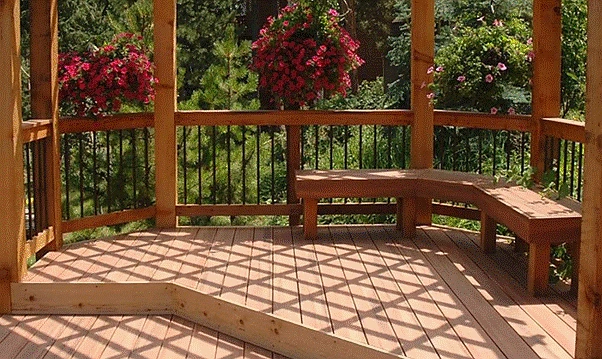
Most people start the same way. They reach out to deck builders in St. Charles, say they want a deck, and then pause when the first real question comes up: covered or open? It feels like a yes-or-no decision, but it’s actually three options. And the wrong choice can mean years of wishing things were a little different.
This article breaks down all three layout types, when each one makes sense, and the questions worth asking before you commit.
What Defines Each Layout Type
Here’s the short version:
| Layout | What It Means | Best For |
| Open deck | No roof or cover. Full sky, full sun | Views, sunlight, lower budgets |
| Covered deck | Solid roof, pergola, or porch-style extension overhead | Year-round use, outdoor kitchens, and features |
| Hybrid layout | Part covered, part open on the same structure | Families with mixed preferences, larger yards |
None of these is the “right” answer by default. The right answer depends on your yard, your routine, and what you actually plan to do out there.
When an Open Deck Makes the Most Sense
If your backyard gets great sunlight and you want to be in it, an open deck is a solid starting point. It typically costs 30 to 40% less than a covered build, and it goes up faster, too. Less structure means fewer things to maintain or repair down the road.
Open decks also work well when your yard has a view worth keeping. A covered structure can block sightlines and make a space feel smaller than it is. If you’ve got mature trees, a nice garden, or an open yard your family loves, sometimes the right call is to leave the sky unobstructed.
That said, you don’t have to live with zero shade forever. Retractable awnings, shade sails, and oversized umbrellas can give you flexibility without locking in a permanent structure. It’s a good middle ground if you’re not fully sure yet.
When a Covered Deck Is Worth the Investment
Illinois weather isn’t always cooperative. Hot, humid summers, rainy falls, and unpredictable spring afternoons can cut a cookout short fast. If year-round usability matters to you, a covered deck gives you a lot more working hours outside.
Covered decks also make obvious sense once you start adding features. Outdoor kitchens, mounted TVs, ceiling fans, and pendant lighting all need some protection overhead. Without a roof, you’re either replacing gear constantly or hauling it inside every time rain rolls in.
Families with young kids or older relatives often go covered for comfort reasons too. And from a resale angle, a covered deck creates additional functional square footage, which buyers tend to notice and value.
Yes, covered builds cost more. Typically 50 to 75% more upfront. But the usability gain over time often balances the investment, especially if you’re planning to stay in the house long-term.
The Case for a Hybrid Layout
Hybrid decks are popular because they solve the real problem: nobody in your household wants the same thing. One person wants to sit in the sun with a coffee. Another wants dinner outside, just not in direct afternoon heat.
A hybrid layout handles both. Common setups include:
- Covered dining zone with an open lounge or sunbathing section beyond it
- A pergola over half the deck for partial shade while keeping sightlines open
- A solid roof with clear or frosted panels that let in natural light without full sun exposure
- A retractable awning over one section for flexible, adjustable coverage
This approach works especially well for larger or unusually shaped yards, where a single-format deck would either waste space or feel cramped from the start.
4 Questions to Ask Before You Decide
These four questions will honestly do most of the work for you:
- How do you actually use your outdoor space? If it’s mostly weekend dinners and entertaining, a covered zone makes sense. If it’s morning coffee and watching the kids in the yard, open might be plenty.
- What does the local climate mean for your plans? Summer heat, late-season rain, and windy fall evenings all favor a covered or hybrid setup if you plan to use the space heavily through the year.
- What’s your budget and timeline? Open decks are faster and cheaper to build. Covered and hybrid layouts take longer and cost more, but they typically come back stronger at resale.
- Are you building for now or for the next ten years? Open decks are easier to modify later. Adding a roof to an existing deck is doable, but it’s a bigger project than getting it right the first time.
What Deck Builders in St Charles Typically Recommend
The best deck builders St Charles homeowners hire don’t start the conversation with materials or price. They start with how you actually live. Yard orientation, family habits, how many people you host regularly, and whether you want a quiet corner for remote work all of it feeds into the decision.
That’s usually what leads to the hybrid recommendation. Not because it’s always the “best” answer on paper, but because it tends to fit the most people, most of the time. A local builder who knows the region’s climate and typical lot layouts will help you figure out which version of that actually makes sense for your specific backyard.

 Decor & Improvement Accessories