

Home & Decor Blogs: DIY, Interior Design & Lifestyle Ideas
5 Signs Your Home in San Diego Needs Drain Cleaning Right Away
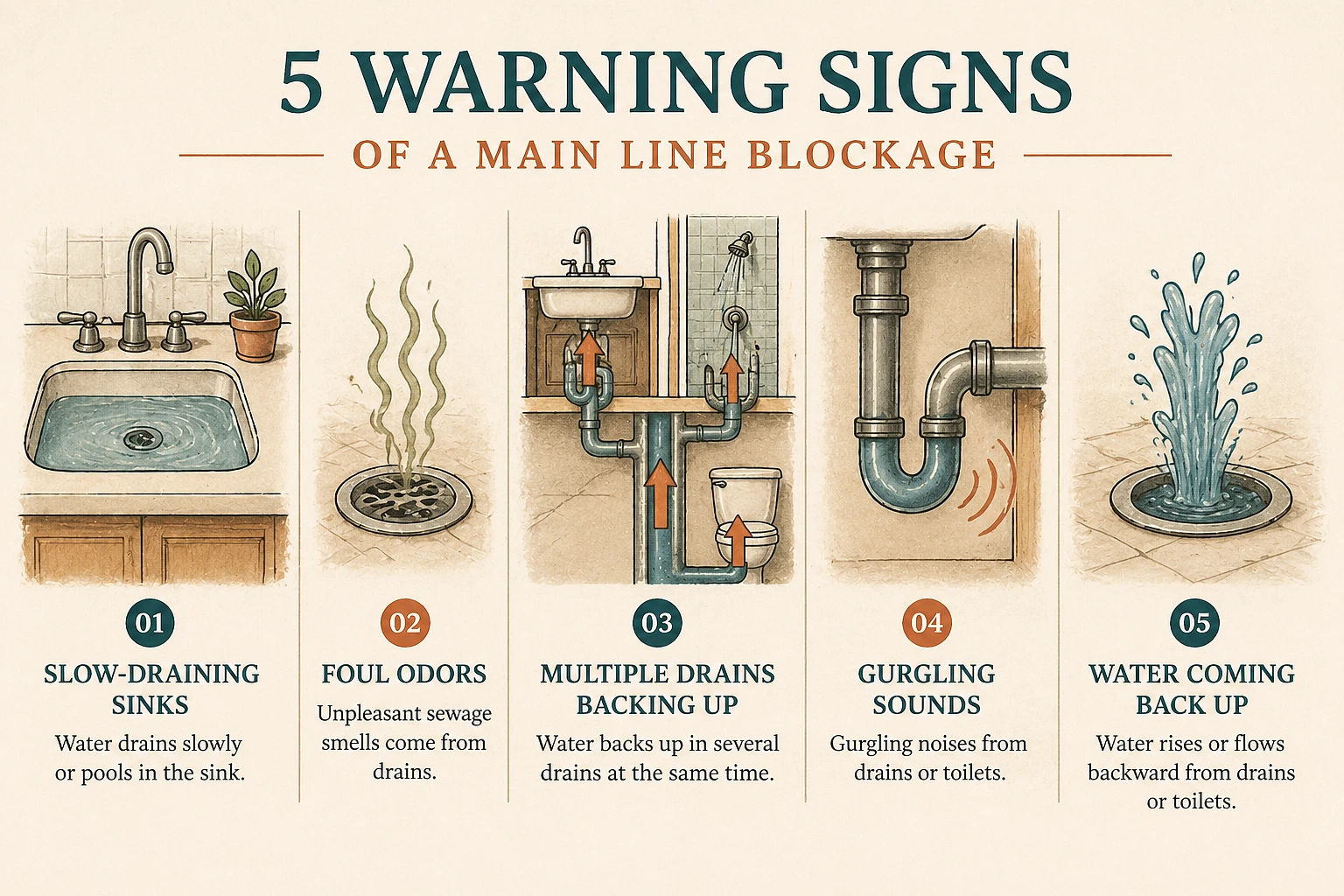
San Diego drains don’t send warnings. A sink takes a little longer to clear. A smell you can’t quite place. Easy to ignore, until it isn’t.
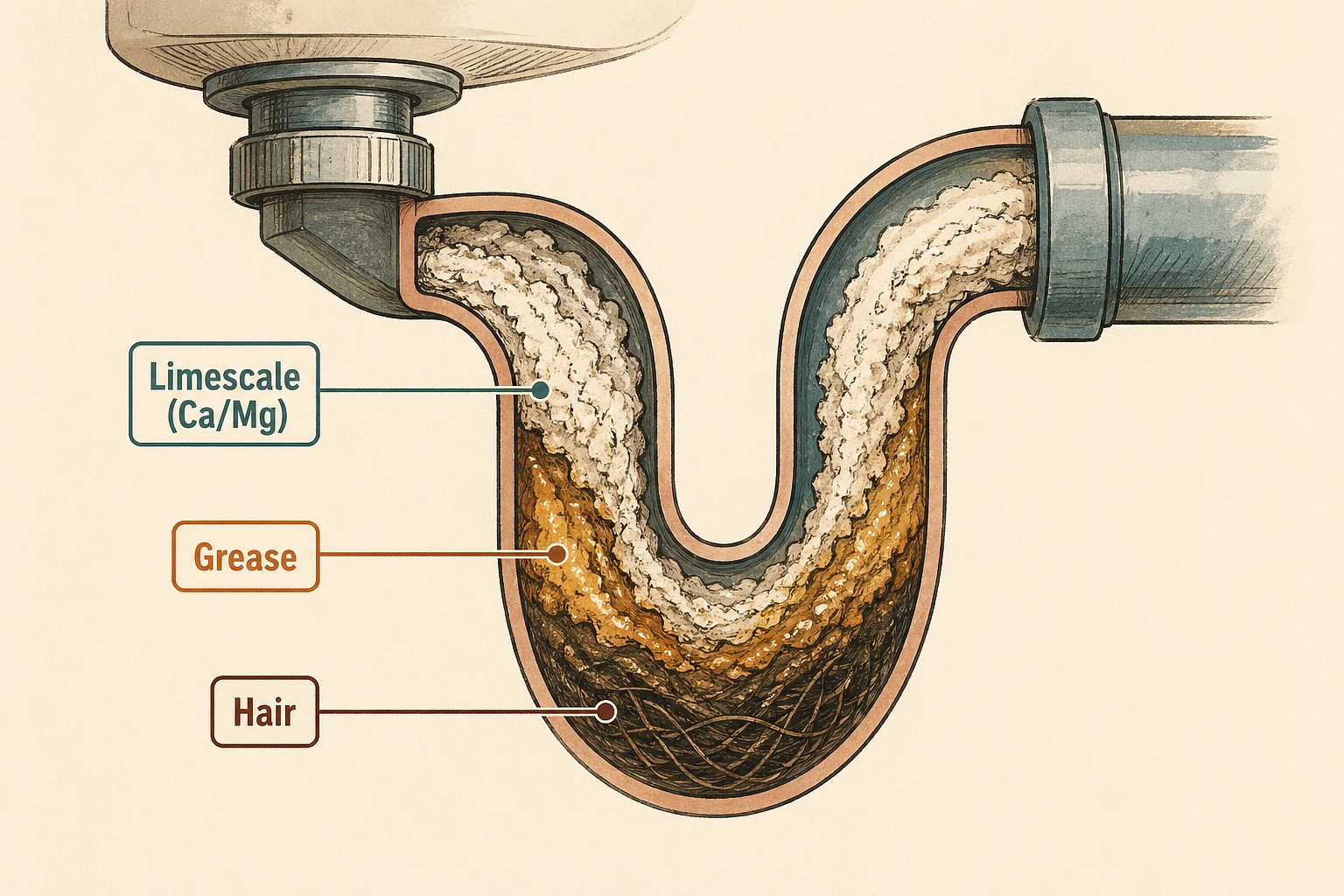
1. The sink is draining slow
Hair, grease, soap scum — these build up and narrow the pipe over time. That part most people know. What’s less obvious is that San Diego’s water supply makes this worse than it would be in most cities. The water here comes primarily from the Colorado River and the State Water Project, and by the time it reaches your tap it’s carrying high concentrations of calcium and magnesium. Around 270 parts per million, which puts it above the U.S. Geological Survey’s threshold for “very hard” water at 180 ppm. Those minerals deposit on the inside of pipes — limescale — and compound whatever grease and hair are already doing in there.
Kitchen drains deal with grease that cools and solidifies inside the pipe. Shower drains collect hair. Neither situation resolves without intervention.
2. Something smells and you can’t find where it’s coming from
You clean the drain, run hot water, the smell goes away. Then it comes back two days later. That pattern almost always means the source is further inside the pipe than surface cleaning can reach — decomposing food particles, grease, organic debris that’s been sitting in a warm enclosed space. Starchy foods like pasta and rice are a specific problem in kitchen drains; they absorb water and expand, giving other debris something to pile up against.
San Diego’s warmer climate speeds up decomposition. The smell returning consistently is the pipe telling you something that a bottle of drain cleaner won’t fix.
3. It’s not just one drain
One slow drain is one problem. Two or three drains backing up around the same time is a different situation entirely — it usually points to a blockage in the main sewer line, not the individual fixtures. And that distinction matters, because snaking one drain won’t touch a main line clog.
Chemical drain cleaners are worth mentioning here. They don’t reach main line blockages, and they corrode pipe walls and leave residue that adds to the problem over time. Discount Plumbing San Diego regularly finds homeowners who’ve been working on individual fixtures for weeks without realizing the actual blockage is sitting much deeper in the system.
4. That gurgling noise
Normal pipes don’t make sounds. Gurgling after a toilet flushes or when a sink empties means air is being pushed through a partial blockage — water is getting through but working against resistance. It’s not dramatic, which is probably why most people let it go. But it’s usually one of the earlier signs before something more serious shows up.
Older homes in San Diego — many of which still have galvanized steel or copper pipes — deal with faster limescale buildup than homes with newer PVC or PEX plumbing. The rougher interior surface of aging pipes gives mineral deposits more to grip onto. So if the house is older and the pipes are making noise, those two things are related.
5. Water coming back up
This one doesn’t leave room for “I’ll deal with it later.” When water returns through a drain instead of flowing away — up through a shower floor, back into a utility sink — the line is blocked enough that it has nowhere else to go. Floor drains and lower-level fixtures tend to show it first because of where they sit in the system.
Water sitting against floors, walls, and baseboards causes damage that outlasts whatever plumbing problem started it. If sewage is involved the sanitation issue is immediate. A professional call at this stage isn’t optional — chemical treatments and plungers won’t reach the source.
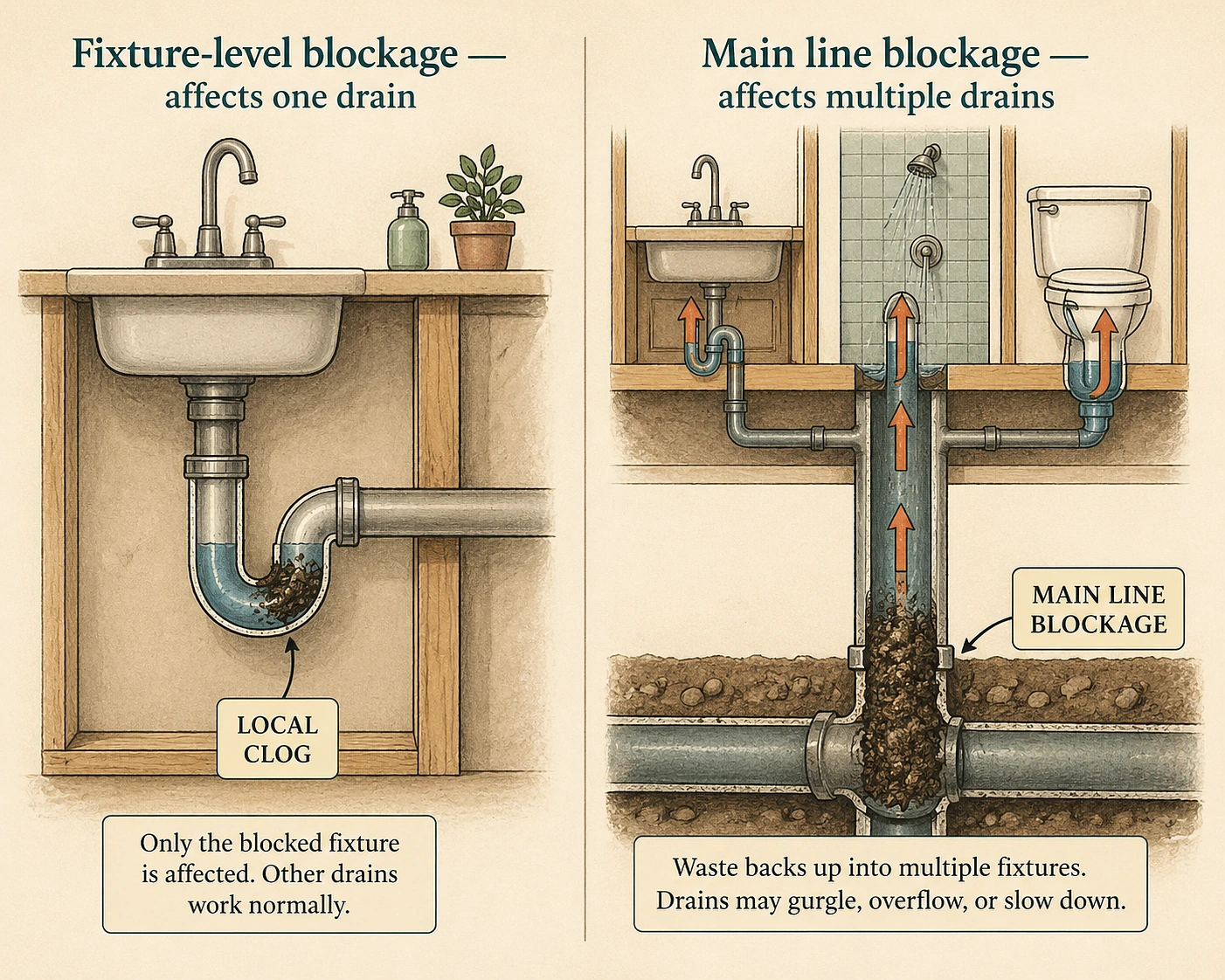
The slow drain from a few weeks ago and the backup happening now are usually the same problem. The difference is just how long it ran without anyone doing anything about it.

 Decor & Improvement Accessories