

Home & Decor Blogs: DIY, Interior Design & Lifestyle Ideas
Tips for Improving Energy Efficiency in Your Home
Have you ever opened your energy bill and wondered how it climbed so high without warning? In Tarpon, where warm weather can stretch longer than expected, keeping your home comfortable often means higher energy use. Improving energy efficiency is no longer just about saving money; it is about making smarter choices in a time when energy costs and demand keep rising.
Below is a practical look at how to make your home smarter, leaner, and more efficient.
Why Energy Efficiency Matters More Now
Energy efficiency used to be a niche concern, something reserved for eco-enthusiasts or people building futuristic homes. Today, it sits at the center of everyday life as energy prices fluctuate and extreme weather becomes more common. When power grids struggle during heatwaves or cold snaps, efficient homes put less stress on the system.
Beyond the headlines, there is a simple truth. The less energy your home wastes, the more control you gain over your expenses. Efficiency is not about sacrifice. It is about using what you already have in a smarter way while staying comfortable year-round.
Start With Your Heating and Cooling System
Heating and cooling account for nearly half of a typical home’s energy use, which makes them the first place to look for improvements. Many systems run harder than they need to because filters are clogged or ducts leak air into unused spaces like attics.
Routine maintenance makes a noticeable difference. Scheduling inspections, sealing ducts, and upgrading to a programmable thermostat can reduce energy use without changing your lifestyle. Homeowners often turn to air conditioning services in Tarpon to keep systems running efficiently during peak heat, which is a reminder that professional upkeep is not a luxury but a necessity when temperatures rise.
Seal the Gaps You Cannot See
Even well-built homes lose energy through tiny cracks around windows, doors, and vents. These gaps may seem insignificant, but together they can let out a surprising amount of heated or cooled air.
Weatherstripping and caulking are inexpensive fixes that deliver quick results. You can test for leaks by holding a lit incense stick near the window edges and watching the smoke. If it wavers, air is escaping. Sealing those leaks helps your heating and cooling system work less, which saves energy without any ongoing effort from you.
Upgrade Lighting Without Overthinking It
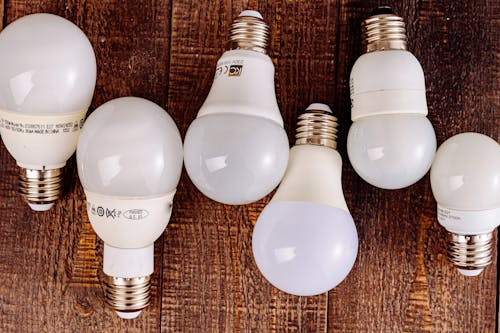
Lighting has quietly become one of the easiest wins in energy efficiency. Switching from incandescent bulbs to LEDs reduces energy use and cuts replacement frequency since LEDs last much longer.
The broader trend here is convenience. Many people now use smart bulbs that adjust brightness based on time of day or occupancy. While the upfront cost is slightly higher, the long-term savings and flexibility make it worthwhile. You do not need a fully automated home to benefit. Simply replacing the most-used bulbs will already make a noticeable difference.
Insulation Is the Unsung Hero
Insulation rarely gets attention because it is hidden behind walls and ceilings, but it plays a major role in keeping your home comfortable. Poor insulation allows heat to escape in winter and enter in summer, forcing your system to work overtime.
Upgrading insulation in attics and walls can significantly reduce energy loss. In colder climates, this improvement pays off quickly, while in warmer areas it helps maintain indoor temperatures without constant cooling. Think of insulation as a quiet partner that supports every other efficiency effort you make.
Use Smart Technology Without Overcomplicating Things
Smart thermostats and home energy monitors have become more common, partly because people want better control over their energy use. These devices learn your habits and adjust temperatures automatically, reducing waste without requiring constant input.
The key is to use technology as a tool, not a distraction. Setting schedules that match your daily routine is often enough to see benefits. For example, lowering the temperature when you are asleep or away can cut energy use without affecting comfort. The goal is simplicity, not turning your home into a science project.
Pay Attention to Water Heating
Water heating is another major energy expense that often goes unnoticed. Long showers, inefficient heaters, and uninsulated pipes all contribute to higher usage.
Lowering the water heater temperature to around 120 degrees Fahrenheit is a safe and effective way to save energy. Installing low-flow showerheads and insulating hot water pipes can also reduce waste. These changes require minimal effort but deliver consistent results, making them an easy addition to any efficiency plan.
Small Changes Add Up Faster Than You Think
Energy efficiency does not require a full home renovation. It grows from small, consistent improvements that build on each other over time. Replacing a few bulbs, sealing a few gaps, and adjusting a thermostat may not seem dramatic, but together they reshape how your home uses energy.
As more households adopt these practices, the collective impact becomes significant. Lower demand on energy systems, reduced emissions, and greater resilience during extreme weather events all stem from individual choices. Improving your home’s efficiency is not just a personal upgrade. It is part of a larger shift toward smarter, more sustainable living.

 Decor & Improvement Accessories