

Home & Decor Blogs: DIY, Interior Design & Lifestyle Ideas
How Remodeling Decisions Quietly Shape the Way You Experience Your Home
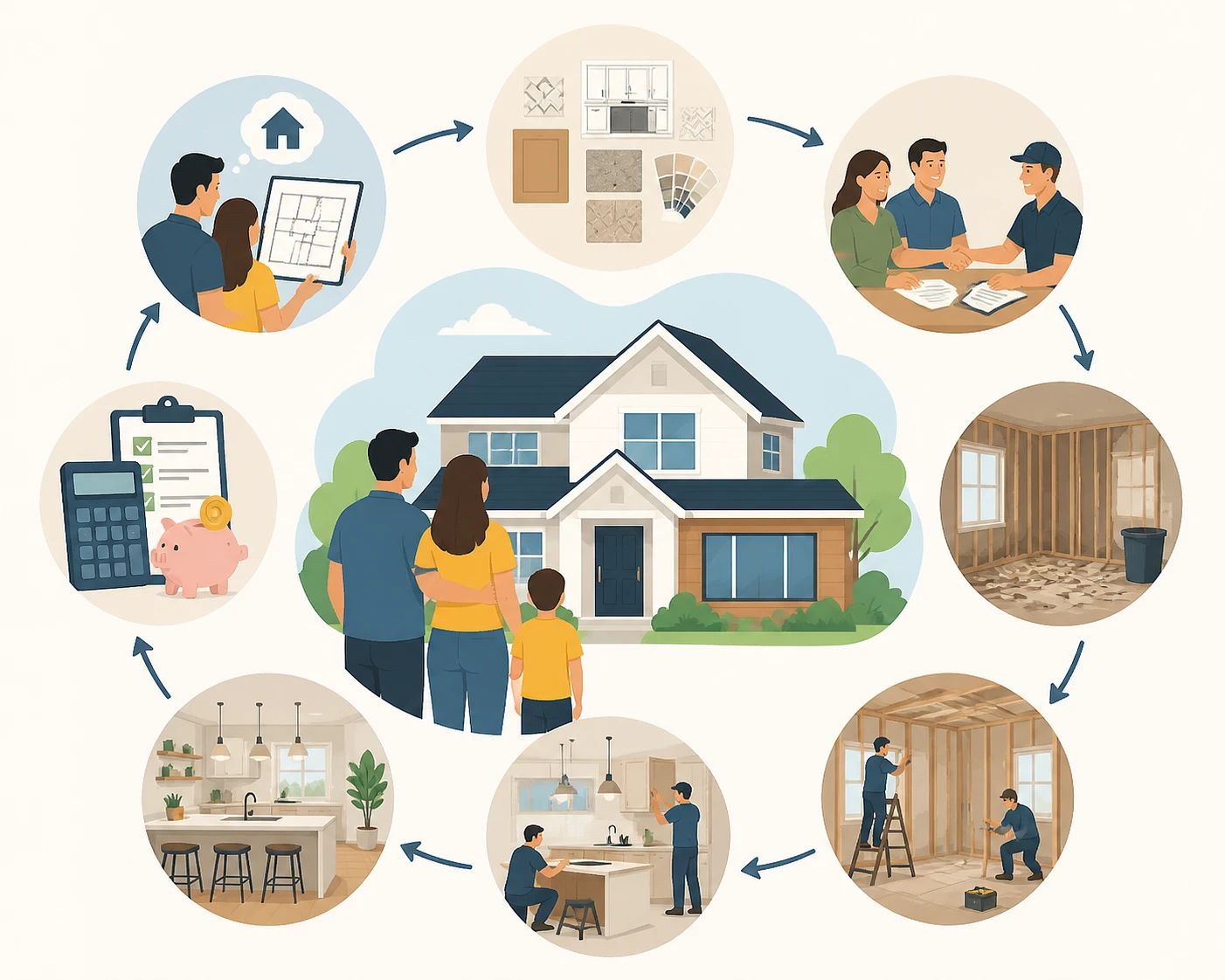
Most people don’t notice the impact of a remodel right away.
At first, it’s about the obvious things. The new finishes, the updated look, the feeling of something being fresh again. But after a few weeks, something more subtle begins to happen. The home starts to feel different in ways that are harder to describe but easier to experience.
It shows up in small moments. How easily you move through a room. How natural it feels to gather in certain spaces. How the home either supports your routine or quietly works against it.
That shift is where remodeling has its real impact.
When a Space Starts Working With You Instead of Against You
Before remodeling, most homes have friction built into them. It might not be obvious at first, but it’s there. Tight corners, awkward layouts, or spaces that don’t quite serve their purpose.
Over time, people adapt to these limitations without realizing it.
After a remodel, that friction either disappears or becomes more noticeable if it was never addressed properly. A well-thought-out change makes everyday movement feel easier. Things flow without effort. You stop thinking about how to use the space because it simply works.
That’s the difference between a surface-level update and a meaningful one.
The Subtle Shift in How People Gather
One of the most interesting changes after remodeling is how people start using shared spaces differently.
A living room that once felt underused suddenly becomes the center of activity. A kitchen that feels isolated becomes a place where people naturally gather, talk, and stay longer than expected.
This doesn’t happen because of one feature. It happens because of how the space is arranged and how it invites interaction.
That’s why many homeowners exploring Home Remodeling in Thousand Oaks are not just focused on upgrades. They are trying to change how their home feels when people are in it.
Why Some Remodels Feel “Right” and Others Don’t
Two homes can have similar upgrades and still feel completely different.
One feels comfortable, balanced, and easy to live in. The other feels slightly off, even if everything looks good on the surface. That difference often comes from decisions that weren’t fully thought through.
It might be proportions that don’t align. Or spaces that look good individually but don’t connect well together.
When everything works together, the home feels calm. When it doesn’t, there’s a subtle tension that never fully goes away.
The Role of Everyday Habits in Design
Most remodeling decisions are made during planning, but their impact is felt during everyday routines.
Where you place things matters. How far you walk between spaces matters. Even small adjustments can change how a day unfolds inside the home.
For example, a slightly more open layout can make mornings feel less rushed. A better-connected living space can make evenings feel more relaxed.
These are not dramatic changes, but they accumulate over time. They shape how comfortable a home feels without drawing attention to themselves.
When Design Starts to Influence Mood
There’s also an emotional side to remodeling that often goes unspoken.
Some spaces feel heavy or disconnected. Others feel light and easy to be in. This is not just about color or decor. It’s about how everything comes together.
Natural light, openness, and spatial balance all influence mood in subtle ways. You don’t always notice it immediately, but you feel it over time.
A well-designed space can reduce stress without trying to. It creates an environment where things feel more settled.
Why Bigger Isn’t Always Better
A common assumption in remodeling is that more space automatically leads to better results. In reality, that’s not always the case.
What matters more is how the space is used.
A smaller, well-designed area can feel more comfortable and functional than a larger one that lacks direction. It’s not about size, but about how effectively the space supports daily life.
This is where thoughtful remodeling stands apart from simple expansion.
The Long-Term Effect You Don’t See Right Away
The real impact of remodeling doesn’t show up in the first few days or even weeks. It shows up over time.
It’s how the home continues to feel months later. Whether it still works the way it should. Whether it adapts as routines change.
Some remodels feel exciting at first but lose their appeal because they were built around short-term ideas. Others continue to feel right because they were designed with everyday living in mind.
When a House Starts to Feel Like It Fits Again
At its best, remodeling creates a sense of alignment.
The home starts to match the way people actually live. Things feel easier, more natural, and more connected. There’s less adjustment required from the homeowner because the space itself does the work.
That’s when a house begins to feel like it truly fits again.
And that outcome rarely comes from random upgrades. It comes from decisions that consider not just how a space looks, but how it will be experienced every single day.

 Decor & Improvement Accessories