

Home & Decor Blogs: DIY, Interior Design & Lifestyle Ideas
How Superior Insulation Pays You Back Every Single Month

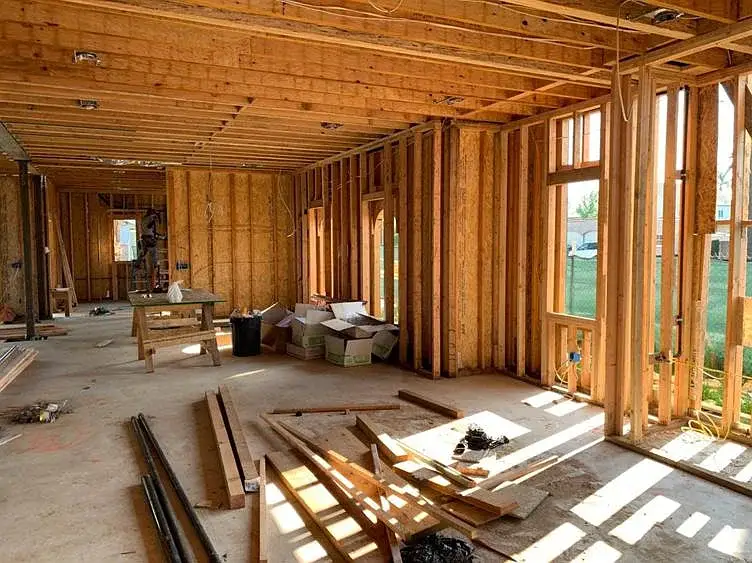
A practical look at one of the smartest investments you can make in your home.
Most homeowners spend a lot of time thinking about kitchens, bathrooms, and curb appeal. Insulation rarely makes it onto that list. It sits inside your walls, unseen and unappreciated until you look at your energy bill.
Good insulation is not glamorous. It does not show up in home tours or Instagram posts. What it does show up in is your wallet, month after month. Once it is in place, it quietly cuts your heating and cooling costs, keeps your rooms comfortable, and pays back every dollar you spent on it and then some. This post walks you through exactly how that works.
Your Home Keeps Losing Money Through the Walls
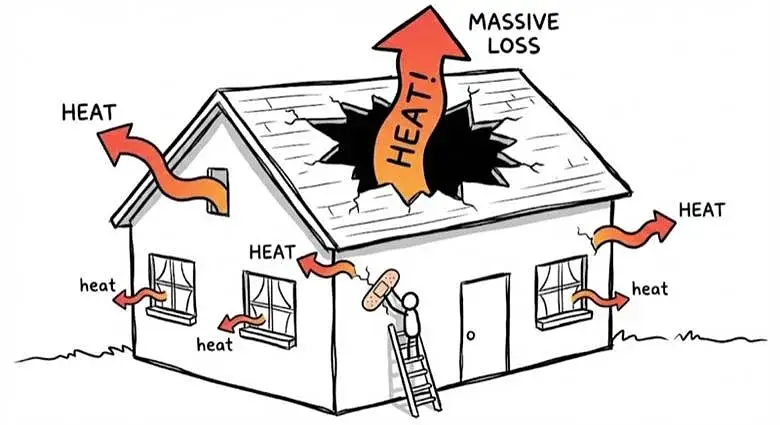
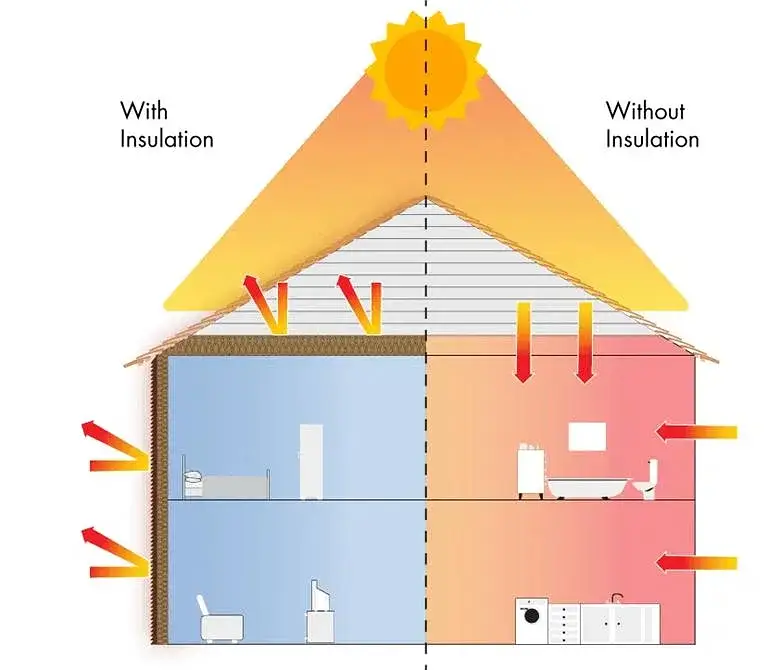
Heat moves. That is a simple fact of physics. In winter, warm air inside your home wants to escape through walls, ceilings, floors, and any gap it can find. In summer, the process flips, and hot air forces its way in. Your heating and cooling system fights this battle all day, every day.
When insulation is thin, old, or missing entirely, your HVAC system works harder than it needs to. It runs longer cycles, uses more energy, and wears out faster. You end up paying for all of that in monthly bills and in earlier equipment replacement.
Most homes, even relatively new ones, have weaker insulation than they should. Settling, moisture damage, and outdated materials all reduce performance over time. Upgrading is not just about new construction. It matters in homes of any age.
Putting It All Into Context
Getting the right insulation installed correctly makes a real difference. Poor installation leaves gaps and voids that undercut every dollar you spend. Professionals who understand how heat moves through a specific type of wall or roof system will get results that a quick DIY job simply cannot match.
That is why choosing the right team matters as much as choosing the right material. With EG Home, a proper assessment of your home, combined with installation that covers every gap, is what turns insulation from a theoretical saving into a real one you see on your bill.
What the Monthly Savings Look Like
| 15% Avg. heating cost reduction | 20% Avg. cooling cost reduction | 3–5 yrs Typical payback period |
On average, homeowners save between 15 and 20 percent on their heating and cooling bills after proper insulation upgrades. In a home spending $200 a month on energy, that is $30 to $40 saved every single month. Over a year, that adds up to $360 to $480. Most insulation projects pay for themselves within three to five years. After that, every month is pure savings with no additional investment required.
Attic Insulation: Your Biggest Opportunity
If you could only improve one area of your home, the attic would give you the highest return. Heat rises, which means a poorly insulated attic allows your warmed air to leak straight out during winter. In summer, a hot attic turns into an oven that radiates heat down into your living spaces.
| According to the U.S. Department of Energy, you can save up to 20% on heating and cooling (or up to 10% on total energy costs) by air sealing and adding insulation in the attic. |
Attic insulation is also one of the more accessible upgrades. There is usually open space to work in, which keeps installation costs reasonable compared to wall insulation. The combination of high impact and relatively low cost makes it the smart first move for most homeowners. Check your current attic insulation depth. If it looks thin or you can see the joists clearly, you are likely losing significant heat and money every month.
How Different Insulation Types Stack Up
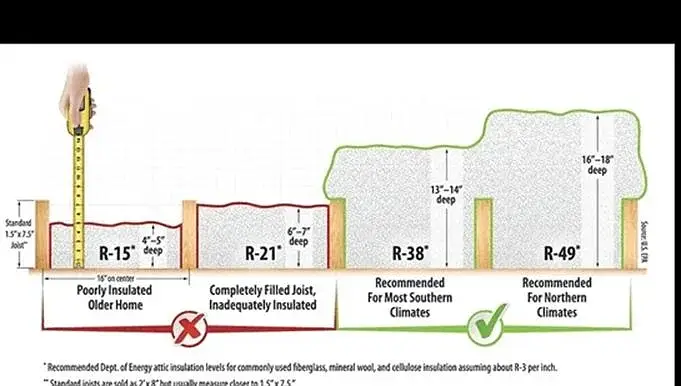
Not all insulation performs the same way. The R-value of a material tells you how well it resists heat flow; the higher is better. Here is a quick look at the main options:
- Spray foam: highest R-value per inch and seals air gaps at the same time. Great for irregular spaces and hard-to-reach areas. More expensive upfront.
- Blown-in cellulose or fiberglass: excellent for attics and existing walls without major renovation. Good coverage and cost-effective.
- Batt insulation: standard rolls or pre-cut panels used in new construction or open-wall renovations. Works well when installed properly with no gaps.
- Rigid foam board is used on exterior walls or under floors. High performance in thin profiles.
The right choice depends on where you are insulating, your climate zone, and your budget. A professional assessment will point you toward the material that gives you the best return for your specific situation.
Comfort Is Part of the Payback Too
Money is the most measurable benefit, yet it is not the only one. Rooms that hold their temperature better feel more comfortable. You stop noticing cold spots near windows in winter or stuffy corners in summer. Your HVAC system runs fewer cycles, which also means less noise.
For families with young children, older adults, or anyone sensitive to temperature swings, this improvement in everyday comfort is something people notice right away, often before the next energy bill even arrives.
Getting Started Without Overthinking It
Start with an energy audit. Many utility companies offer them for free or at low cost. An auditor will use tools like blower door tests and thermal imaging to show you exactly where your home is losing energy. You will walk away with a prioritized list of improvements and a realistic sense of the savings each one offers.
From there, get a few quotes from insulation contractors. Ask specifically about the R-values they plan to achieve, how they handle air sealing alongside insulation, and what kind of warranty they offer on their work.
Do not wait for the next big bill to take action. The sooner insulation goes in, the sooner the monthly savings start. Every month you delay is money that leaves your home instead of staying in your pocket.
FAQs
Answer: Good insulation reduces the amount of heat that escapes in winter and keeps hot air out in summer. This means your HVAC system doesn’t have to work as hard, which leads to savings on heating and cooling costs, typically around 15% to 20% off your monthly energy bills.
Answer: The attic is your biggest opportunity for savings! Insulating your attic can help you save up to 20% on heating and cooling costs, making it a smart first step for homeowners looking to improve their home’s efficiency.
Answer: If you notice cold spots near windows during winter or stuffy areas in summer, it could be a sign of something homeowners often observe when consulting services. Another clear indicator is unusually high energy bills, which may suggest your home is losing heat or cool air.
Answer: The best insulation type depends on where you’re insulating, your climate, and your budget. Options include spray foam for high R-values, blown-in cellulose or fiberglass for cost-effectiveness, batt insulation for new builds, and rigid foam board for exterior walls. A professional assessment can help you determine the best fit for your needs.
 Decor & Improvement Accessories