

Home & Decor Blogs: DIY, Interior Design & Lifestyle Ideas
Why Kitchen Drains Clog Faster in Atlanta, and What Keeping Them Clear Is Worth


Atlanta is genuinely harder on drains than most American cities.
Nearly half this city sits under tree canopy, the intown neighborhoods run on pipes laid fifty to a hundred years ago, and the whole thing is buried in red Piedmont clay that swells and shrinks with every wet season. So the same kitchen habits that a homeowner in Phoenix gets away with for twenty years will find you out here in five, which is why drain care in Atlanta is less a chore and more a running relationship with what is under your yard.
The habits still matter, and they are below. But the local mechanics come first, because they explain why the habits matter more here.
The City in a Forest Grows Roots Into Its Pipes
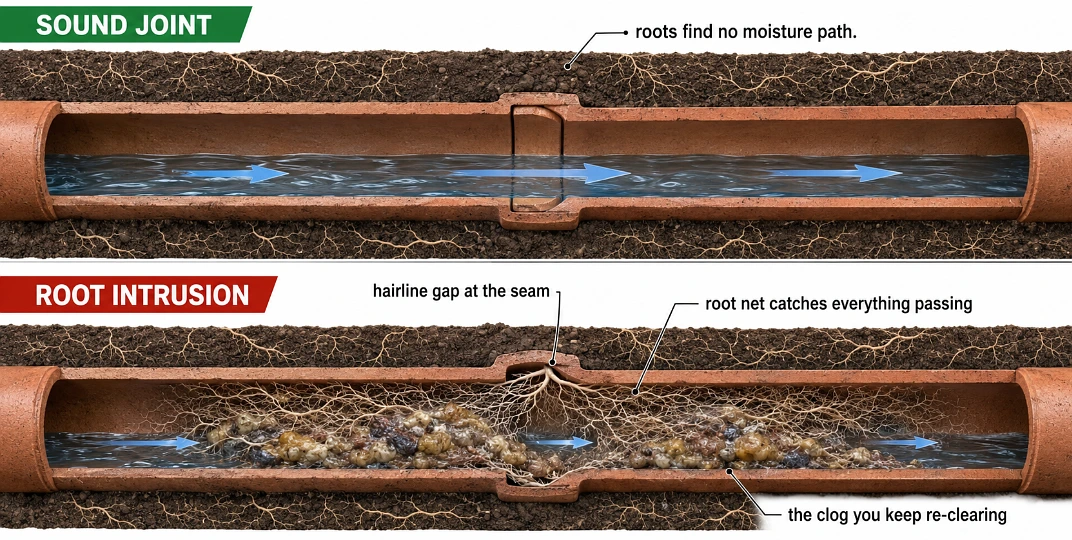
Tree roots hunting for water treat an old sewer lateral like a buffet.
The older neighborhoods, Druid Hills, Virginia Highland, Grant Park, Kirkwood, mostly connect to the street through clay or cast iron laterals, and clay pipe is jointed every few feet, which gives roots a seam to exploit at every joint. A root finds a hairline gap, follows the moisture in, and then grows into a net that catches grease and paper until the line chokes, and that is why sewer line failure is the most common major plumbing repair in intown Atlanta, ahead of everything else plumbers get called for. When the same kitchen clog keeps coming back no matter how careful you are being, that pattern is usually roots or scale deeper in the line, and it is the point where local drain cleaning services with a camera earn the call, because clearing the symptom without seeing the pipe just books the same visit again for spring.
For homes with mature trees within thirty feet of the sewer line, the working cadence is a jetting every 12 to 18 months. That sounds like a lot until you price the alternative, which is coming up shortly.
Georgia Red Clay Moves, and Buried Pipes Feel It
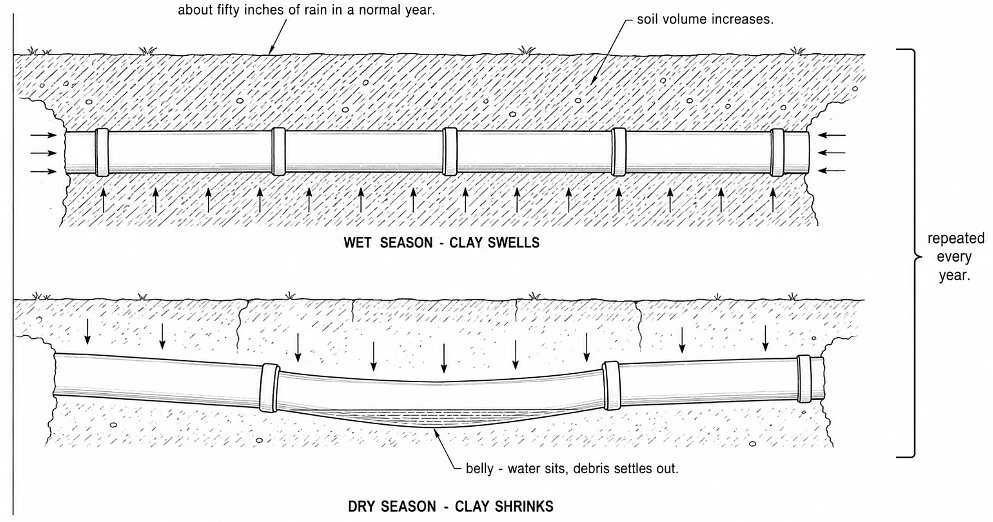
The dirt here does not sit still.
Piedmont clay expands when the winter rains soak it and shrinks hard in a dry August, and a buried pipe rides that movement year after year until joints offset and low spots form, the bellies where water sits and debris settles out. Add the roughly fifty inches of rain this city takes in a normal year, more than Seattle gets, and heavy storms pushing water into every crack in an old line, and you have a system under steady quiet stress before a single pan gets rinsed.
None of that is fixable from the kitchen. What it means practically is that drains here reward attention and punish neglect faster than flat, dry, young cities do.
The Kitchen Habits That Matter, Atlanta Version
Grease is still the main villain, and the hot water trick still does not work.
Warm grease pours like it is harmless and then cools somewhere down the line, usually right where the pipe is oldest, and it hardens on the walls like a guest who missed every hint to leave. The P trap under the sink catches some trouble, and the rest travels to exactly the joints and bellies the last two sections described. Plumbers around here will also tell you their busiest stretch of the year lands right after Thanksgiving, which says everything about what holiday cooking sends down Atlanta sinks. The habits that keep you off that call list:
- Scrape plates into the trash or compost before anything touches the sink.
- Keep a strainer in the drain, and empty it instead of fighting a clog on a Tuesday night.
- Pour cooled grease into a can or jar and bin it, never down the drain, with or without hot water.
- Treat coffee grounds, rice, and pasta as trash, since none of them dissolve and two of them swell.
- Flush the drain with hot tap water after greasy cooking, which limits fresh residue.
One warning that matters more in this housing stock than most. The bright bottle chemical cleaners are acid or lye, and repeated use eats old cast iron and galvanized pipe from the inside, so in a pre 1970 Atlanta house they can convert a clog into a leak. Enzyme based maintenance products do the monthly upkeep job without the damage.
What It Costs Here, and the Math That Decides It
Professional drain cleaning in Atlanta averages $298, with most jobs landing between $173 and $431.
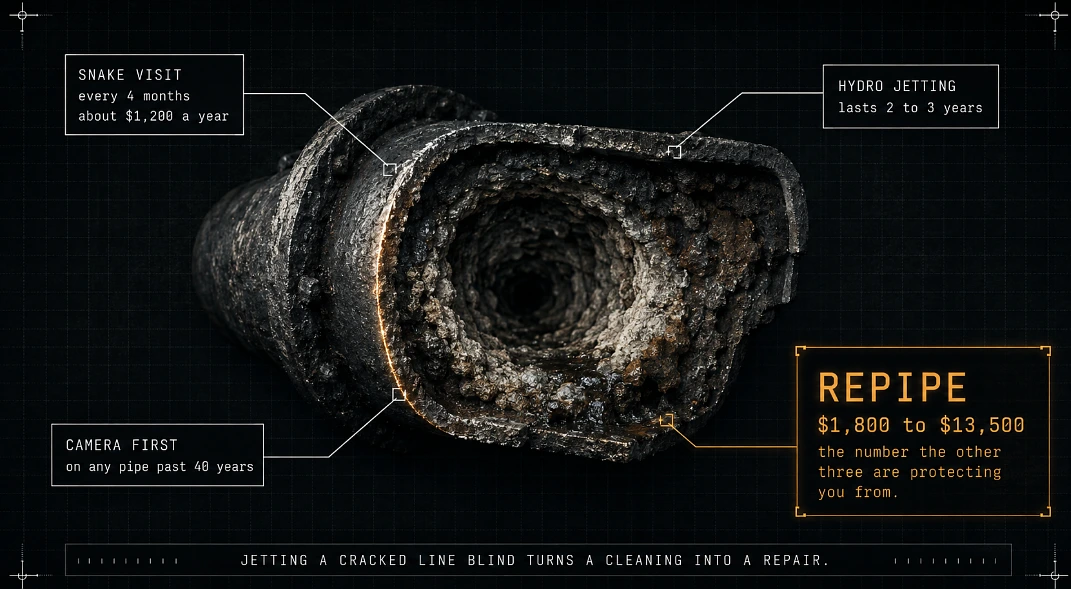
Underneath the average, a single slow fixture runs $90 to $315 and takes under an hour with a cable, a main line clearing runs $225 to $675, and hydro jetting starts around $315 and climbs toward $950 for heavy root and grease work. On any pipe past forty years old, and intown that is most of them, a camera inspection comes before jetting every time, because high pressure water in a cracked clay line turns a $700 cleaning into a $9000 repair, and plenty of companies fold the camera in free with the booking anyway.
The math that settles the whole invest or ignore question is short. A snake visit every four months runs about $1,200 a year, one jetting lasts two to three years, and the number both of them are protecting you from is the cast iron or clay repipe, which in Atlanta costs anywhere from $1,800 to $13,500 depending on access and footage.
When to Stop Plunging
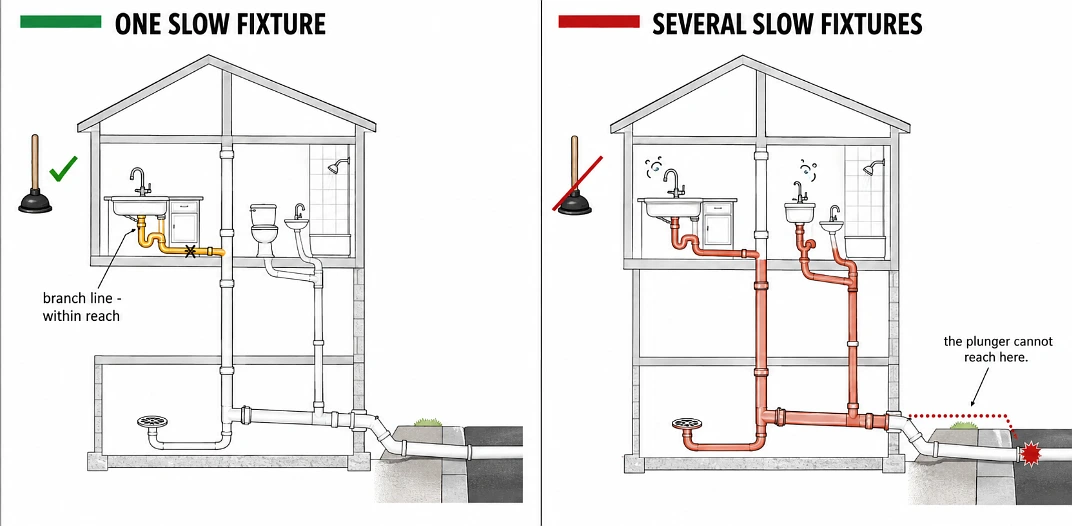
One slow sink is a branch line problem, several slow fixtures is the main line, and the plunger cannot reach the main line.
If the kitchen sink, a bathroom, and the basement floor drain all go sluggish together, or other fixtures gurgle when water runs somewhere else in the house, the blockage sits in the building drain or the lateral, and every DIY hour spent on it is an hour the actual problem keeps growing. Standing water that comes back fast after you clear it belongs in the same category.
That is not a defeat, it is a diagnosis. And it is a cheap one compared to guessing.
So the position, for anyone in an intown house here with big trees and original pipes. Get the lateral scoped once so you know what you actually own, jet on the 12 to 18 month cadence if the camera finds roots, keep the grease out of the sink, and never buy an older Atlanta home without a sewer scope, because in this city the most expensive thing in the yard is usually the one thing the listing photos never show.
 Decor & Improvement Accessories