

Home & Decor Blogs: DIY, Interior Design & Lifestyle Ideas
How to Choose a Dining Table Top That Survives How You Live
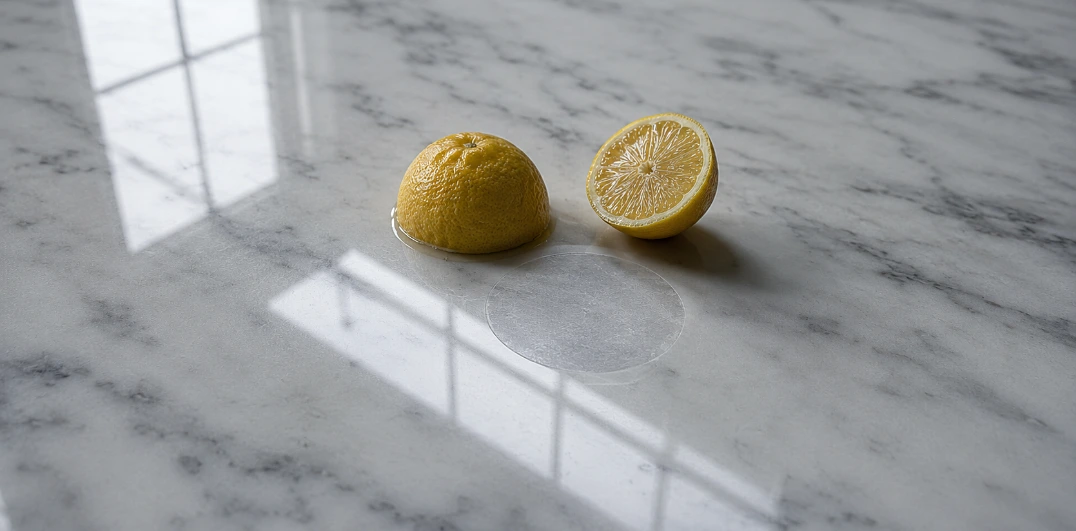
Somebody left half a lemon on my mother’s marble table once. Cut side down, through lunch.
The mark is still there.
No cleaner has ever shifted it, because the acid ate a shallow dish into the stone. That is etching, and it is what no one warns you about before you buy marble.
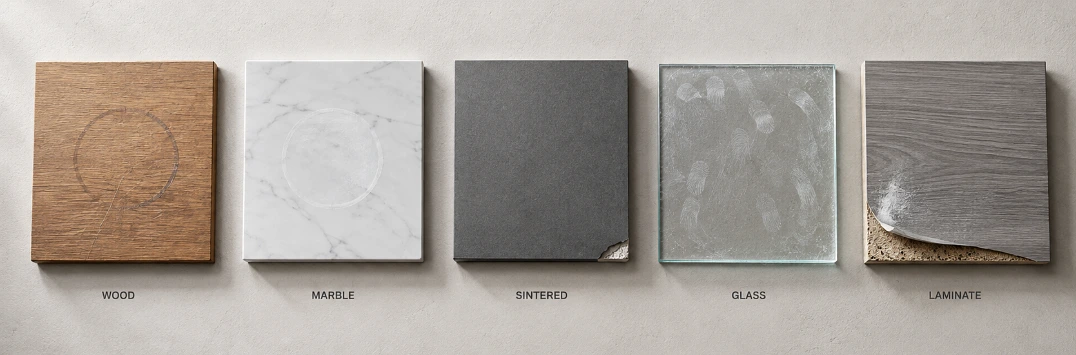
Every top has one of those. A specific way it lets you down.
So pick the failure you can shrug at.
Wood Scratches Easily But You Can Refinish It
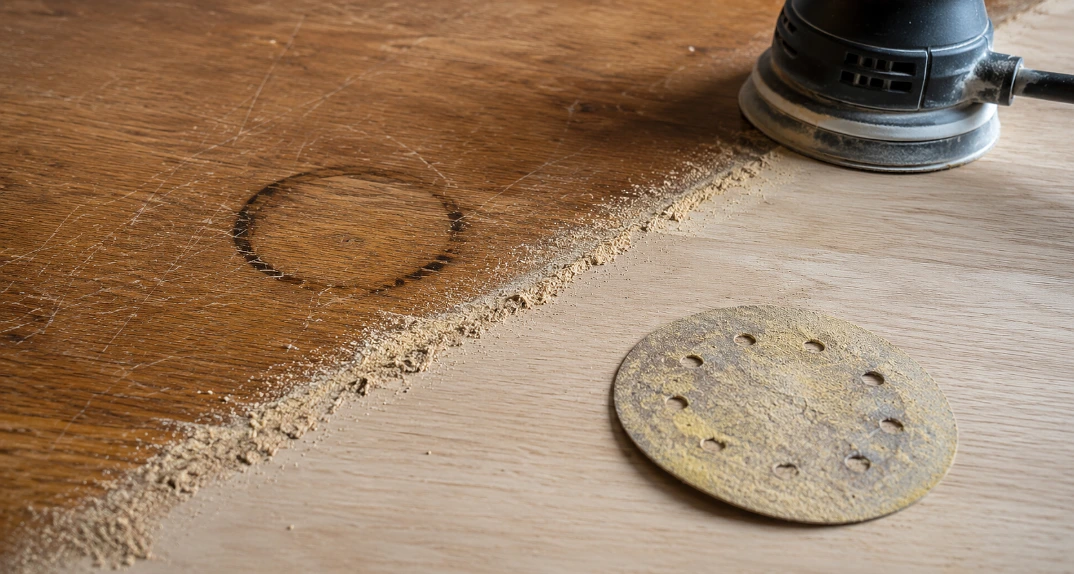
It scratches. All of it, always.
Wood is softer than a knife and softer than the grit under a plate. That is not a warning about being careful, it is just what wood is.
Water shows up first. A glass left standing leaves a white ring, which is moisture trapped in the finish. Gentle heat or an overnight wax usually lifts it.
Leave it and the ring goes dark. Dark means the water reached the timber.
Wood also swells in summer and shrinks in winter, which is why extension leaves stop lining up in January.
But it has something none of the others do.
You can reset it. Sand it back, refinish, and the top is new. Roughly $400 for a small table, up to $1,500 for something big or ornate.
Marble Etches From Lemon and Wine, and Sealer Will Not Stop It
Back to the lemon.
A stain soaks in. Etching burns in. Sealer helps with one and does nothing about the other, because sealer cannot stop a chemical reaction.
Wine, vinegar, tomato, most fizzy drinks. It takes minutes.
Marble is also Mohs 3 to 5, softer than a steel knife, so it picks up fine scratches from plates.
Most owners seal it once, forget the second time, and stop noticing the marks by year three. That is the real arc of a marble table.
Sintered Stone Takes 300°C and Never Needs Sealing
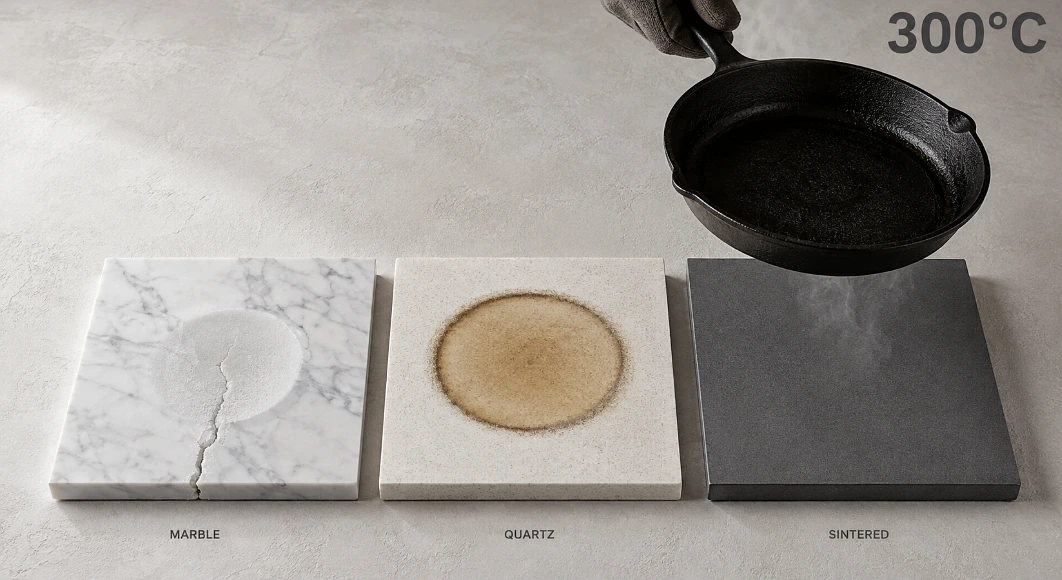
The one that barely fails, which is why it has taken over.
Mineral powder pressed hard and fired at 1,200°C until it fuses. No resin in it. That is the whole reason it behaves.
- Heat: about 300°C. A dish out of the oven, straight down, nothing happens. Marble cracks from that. Quartz discolours, because quartz is 7 to 10 percent resin.
- Hardness: Mohs 6 to 7. Above a steel knife. Cutlery leaves nothing.
- Sealing: never. Non porous, so the lemon does nothing.
Three things it does have:
- 50kg per square metre at 20mm, so the base has to be built for it
- Cold to rest your arms on
- A 12mm top chips at the corner. 20mm is much tougher, and a chip is a specialist repair
One more reason people pick it. The slabs are big enough that a whole dining table top material can be a single piece, with no seam across the middle.
Glass Suits Small Rooms, and You Want 10mm or 12mm
Good for one thing, which is small rooms. You see the floor through it, so the table takes up no visual space.
Buy 10mm or 12mm. Thin replacement tops flex on a wide table and break at the corner.
And tempered glass does not crack. It goes all at once, into blunt fragments, usually from a knock to the edge. Worth thinking about at child height.
The rest is fingerprints. Every day.
Laminate Is Cheap and Wipes Clean, But the Edges Lift
Wipes clean, patterns look convincing now, costs a fraction of everything above.
It fails at the edge, where the laminate lifts off the board, and there is no fixing that.
It is the only one here that cannot be refinished. Wood sands back. Stone polishes. Laminate gets replaced.
A hot pan blisters it permanently too.
None of that makes it a bad buy. It makes it a five year table. Rental, first flat, room that is going to change.
Which Top Suits Your Household
| Your situation | The top to get |
|---|---|
| Small kids in the house | Sintered stone or laminate |
| You serve straight from the pan | Sintered stone, nothing else is close |
| You want the table to look lived in | Wood or marble, and you have to mean it |
| Small or dark room | Glass |
Then leave three feet clear on every side, whatever you choose, because that is what lets a chair pull out with somebody sitting in it.
They all mark in the end. Pick the mark that will not bother you.

 Decor & Improvement Accessories