

Home & Decor Blogs: DIY, Interior Design & Lifestyle Ideas
Ottawa Has Two Window Seasons, and the Second One Is Now
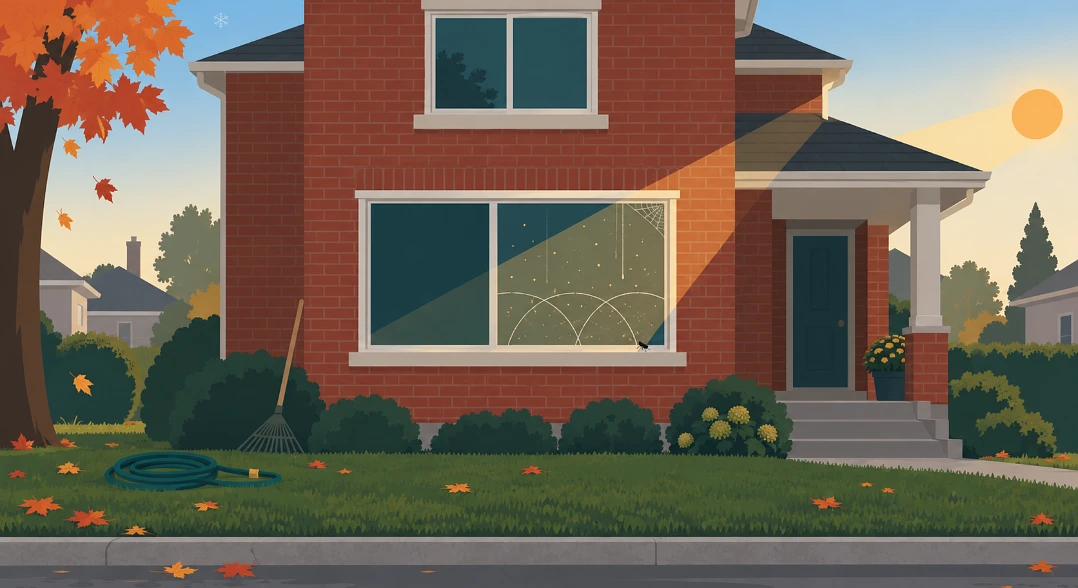
There is a week in September in Ottawa when the light changes. The sun is coming in lower through the front windows in the afternoon, and for the first time since May you can see the glass, every streak from the June rain, the film of pollen that has been sitting there since the poplars let go, the dried arcs where the sprinkler was hitting the ground floor panes all summer. It has been there for months and the high summer sun was hiding it. The low sun is not hiding anything.
That is the first of 2 reasons the fall is a window season here, and the second is the calendar. In a month or so the overnight temperature is going below freezing and water put on glass outside is turning to ice, so whatever is on the windows on the day of the first hard frost is staying on them until April. The spring clean is the one everybody does, because a whole winter of road grit is sitting on the glass and it is obvious. The fall clean is the one most houses skip, and it is the one that decides what condition the windows are in when spring comes.
What The Spring Clean Is Really Removing
An Ottawa winter puts 2 things on a ground floor window that a summer never does, and neither of them is dirt in the ordinary sense. The first is road salt. The plows and the sanders are running from November to March, and every passing car is throwing a fine spray of salt brine off the road, and on a house close to the street the lower panes are wearing a grey film by January that dries and rewets with every thaw. The second is sand, the grit that goes down with the salt, which is blown against the glass in a dry cold wind and works like a very slow sandpaper if it is then wiped off with a dry cloth.
Neither of them is hurting the glass much in the cold, because nothing is happening chemically at minus 20. The damage comes in April and May, when the salt film gets a month of strong sun before anyone touches it, and salt and sun together leave a haze in the surface that a squeegee is no longer taking off. This is why the spring clean matters, and why the timing of it matters, soon after the thaw and before the sun is high.
The article you may have read on this subject will have told you that hard water is what etches glass. That is true in Calgary and in most of southern Ontario. It is not really true here, because Ottawa’s tap water comes off the Ottawa River and it is soft, so the sprinkler marks on an Ottawa window are mostly dust bonded by the water, and they clean off. The salt and sand are the etching risk in this city, and they are a winter problem with a spring deadline.
What The Summer Leaves Behind
The summer film is softer, and it is 3 things layered on each other, in the order they arrive.
- Pollen, mostly tree pollen from late April, which is settling on the glass and on the screens as a yellow dust and turning to a gum the first time it rains.
- Poplar and cottonwood fluff in June, the white drifts that pile against the screens for 2 weeks and are held there by the pollen gum underneath.
- Sprinkler overspray from July, dried in overlapping arcs on whatever panes face the lawn, along with the dust that the water was carrying.
On top of that, on the north and shaded sides, the spiders have been building all summer and the insects they caught are still there. None of it is damaging the glass. All of it is cutting the light coming in, and the screens are the part that is doing the most damage to the air, because a screen full of June fluff and pollen is releasing it into the room every time the window is opened in September, which is the month windows are open most.
The Fall Clean, And Why It Is The One That Counts
The fall clean is a smaller job than the spring one and it is doing more, because it is setting the windows up for 6 months of being closed. Three things are getting done, and the glass is the least of them.
The Tracks And The Sills
The track a sliding window runs in has been collecting pollen, fluff, dead insects and the summer’s dust, and when the first snow melts on the sill that mix is turning into a paste, and the paste is freezing. A window with a packed track is the one that will not open on a mild day in February when you want 10 minutes of fresh air, and the one where the sash is getting forced and the hardware is wearing. So the tracks get vacuumed with the narrow nozzle, then wiped with a damp cloth, and on a casement window the hinge channels get the same, and then the weep holes at the bottom of the frame, the small slots that let melt water drain out, get checked with a toothpick, because a blocked weep hole is where water sits in the frame all winter.
The Screens Come Down
Screens are coming out in the fall on most houses here, partly for the storm windows on the older ones and partly because a screen left in through winter is holding snow against the glass. Before they go into the garage they get a wash, a soft brush and a bucket of warm water with a squirt of dish soap, rinsed with the hose and left to dry standing up, and the difference in the air in May when they go back in is the reason for doing it now rather than then. A screen stored dirty is a screen that spends the winter growing mould in a cold garage.
The Seals
The rubber seal the sash closes against is where the summer’s grit ends up, and a seal with grit in it is not closing tight, which is a draught you will feel in January and a heating bill you will feel in February. It gets wiped along its length with a damp cloth, and this is the moment to notice whether it is cracked, because a cracked seal is a fall repair and not a winter one.
Then the glass, inside and out, and the outside is the part with the deadline. The temperature to do it in is above 5 degrees Celsius, 41 Fahrenheit, because below that the water is not drying, it is streaking and then freezing in the corners, and here that means the outside glass window is closing by late October and sometimes earlier.
What Is On The Glass, And What Takes It Off
| What it is | When it arrives | What it does if left | What removes it |
| Road salt brine | November to March, ground floor, street side | Hazes the surface once the spring sun hits it | Warm water and a squeegee soon after the thaw, before May |
| Road sand and grit | Same months | Scratches if wiped dry | Rinse first, always, then wash |
| Tree pollen | Late April to June | Gums onto glass and screens, cuts light | Dish soap and water, a soft brush on screens |
| Poplar fluff | 2 weeks in June | Blocks screens, releases into rooms | Brush and hose on the screens |
| Sprinkler overspray | July and August, lawn side | Dried dust arcs, light haze | Comes off with normal washing here, since the water is soft |
| Track paste | All summer, worst in September | Freezes, jams the sash, wears hardware | Vacuum nozzle, damp cloth, toothpick in the weep holes |
Doing The Outside Glass Yourself
Ground floor glass is a job anyone can do in an afternoon, and the method the trade uses is simpler than the products in the supermarket suggest. A bucket of warm water with a few drops of dish soap, a strip washer or a clean sponge, and a squeegee with a fresh rubber blade, which is the part that matters. The glass gets wet all over, then the squeegee comes down in overlapping strokes with the blade wiped on a cloth after each one, and the edges get a wipe with a dry microfibre. A rinse with the hose before any of that on a street side window, because rubbing dry grit into glass is how a window gets scratched by the person cleaning it.
Where it stops being a Saturday job is the second floor, and that is where most of the fall cleans in this city are being booked, because a wet ladder on a cold morning is a bad place to be holding a bucket. The upper glass, the eaves side windows, the ones over the porch roof, and on the older houses the storm windows going on, are what people are calling professional window cleaners Ottawa homeowners use for the last visit before the cold, and a good crew is doing the tracks, the screens and the seals on that visit too, which is most of the value of it. Booking it for the last 2 weeks of September or the first of October is early enough to be sure of a day above 5 degrees.
What The Windows Look Like In April
A house that got the fall clean is coming out of winter with tracks that drain, seals that closed tight all winter, clean screens waiting in the garage, and only the winter’s salt and grit on the outside glass, which is one rinse and one wash on the first warm weekend. A house that skipped it is coming out of winter with all of that plus the summer underneath it, baked on by 6 months of low sun through the glass, and a set of screens that spent the winter damp. Same windows, same weather, and one of them is a morning’s work in April and the other is a day.
The frost is not on the calendar yet, and the light is already low enough to show what is on the glass, which is usually 3 or 4 weeks of warning.

 Decor & Improvement Accessories