

Home & Decor Blogs: DIY, Interior Design & Lifestyle Ideas
A Complete Guide to Choosing the Right Propane Tank Size for Camping, Grilling, RVing, and Home Backup

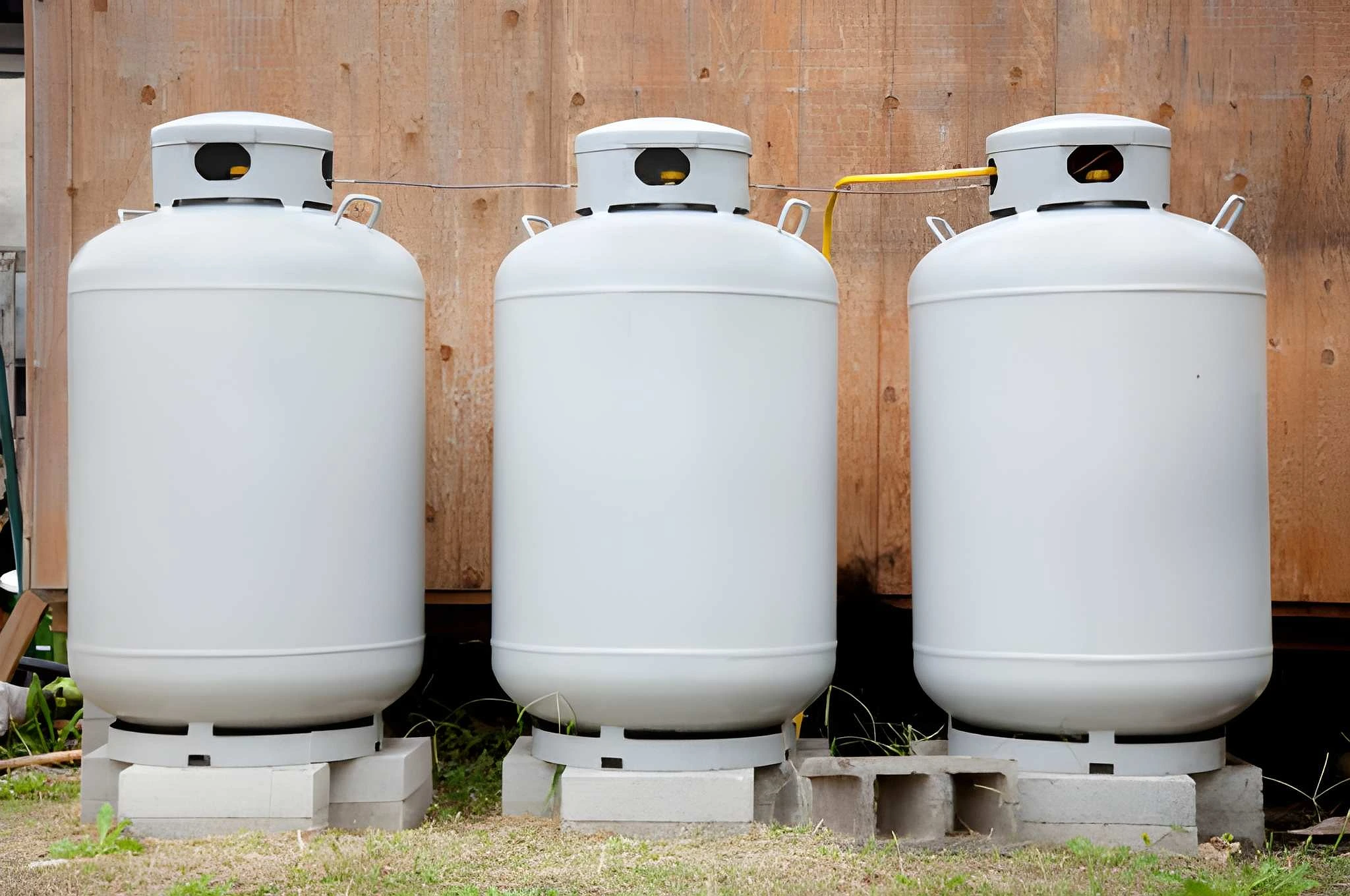
Choosing among different propane tank sizes can feel confusing when the same fuel powers everything from a camp stove to an RV furnace or backup generator. The best choice depends on appliance demand, expected runtime, storage space, and how easily the tank must be moved. A tank that suits a backyard grill may be too bulky for camping or too small for several days of RV heating. Looking at capacity, portability, connections, and refill access together makes the decision easier.
Start With the Appliance and Expected Runtime
Tank selection should begin with the appliance rather than the largest container available. Propane appliances have a rated fuel demand, commonly shown in thermal units per hour. A high-output grill, furnace, generator, or heater will empty a small tank faster than a compact stove.
Estimate how many hours the appliance will operate during a trip, meal, or power outage. Occasional use may call for a compact cylinder, while long operating periods often justify more capacity. Cold weather and running several appliances can also increase fuel consumption.
One-Pound Cylinders for Light Camping
One-pound cylinders are popular for short outings, picnics, tailgating, and simple campsite cooking. They fit easily into storage bins and connect directly to many small stoves, lanterns, heaters, and tabletop grills. They work best when equipment runs for limited periods and packing space is tight.
Frequent campers may prefer refillable models instead of single-use bottles. A small cylinder still has limited runtime, so campers who cook several meals or operate a heater may need more than one. These containers are a lightweight fuel option rather than a long-duration supply.
Five- and Ten-Pound Tanks for Longer Trips
Five- and ten-pound tanks offer a useful middle ground between compact bottles and full-size grill cylinders. They are easier to carry than a 20-pound model but hold enough fuel for longer camping weekends, repeated cooking, or a portable fire pit. This range suits car campers who want fewer cylinder changes without sacrificing too much storage space.
A secure carrying area can make transportation more organized. Campers should also confirm that they have the correct hose and regulator for each appliance. Readers comparing portable setups can explore propane tanks for camping to see how different capacities fit common outdoor uses.
Twenty-Pound Tanks for Grilling
The familiar 20-pound cylinder is the standard choice for many backyard gas grills. It offers a strong balance of capacity, availability, and manageable handling. Refill and exchange locations are also common, making this size convenient for households that grill regularly.
A 20-pound tank may also support patio heaters, fire pits, turkey fryers, and compatible portable generators. However, it can be excessive for a compact camp stove and too small for continuous home heating or long generator operation. Its popularity comes from versatility rather than universal suitability.
Thirty- and Forty-Pound Tanks for Higher Demand
Thirty- and forty-pound cylinders suit users who need longer runtime but still want a removable tank. They are common in travel trailers, fifth wheels, extended camping setups, and outdoor cooking stations. The added capacity reduces refill frequency during longer trips.
Weight becomes a major consideration at this level. A filled tank can be difficult for one person to lift, and the storage compartment or mounting system must support its dimensions and load. Check vehicle payload, rack capacity, ventilation, and valve clearance before choosing a larger cylinder.
Choosing a Tank for an RV
RV propane needs vary according to vehicle size, climate, and appliance use. A traveler who mainly cooks in warm weather may use far less fuel than someone running a furnace, refrigerator, water heater, and stove during a cold trip. Travel duration and access to refill stations also affect the decision.
Some RVs use removable Department of Transportation cylinders, while others have permanently mounted tanks constructed to different specifications. Owners should follow the RV manufacturer’s requirements rather than changing tank types based only on capacity. Reviewing RV propane tanks and accessories can show the range of horizontal, removable, and mounted configurations used in recreational vehicles.
Dual-cylinder systems may keep one tank in reserve. An automatic changeover regulator can switch the fuel supply when the first cylinder empties, depending on the system. Users should still monitor fuel levels and inspect hoses, valves, and fittings regularly.
Larger Tanks for Home Backup
Home backup applications usually require more fuel than camping or grilling. A generator can consume propane quickly under a heavy electrical load. A small cylinder may operate it briefly, but repeated tank changes become inconvenient during a long outage.
One-hundred-pound cylinders and larger stationary tanks may be better suited to extended backup use, depending on generator capacity and local installation rules. Larger systems can also support heating, water heating, or cooking. They require planning around tank placement, regulators, piping, clearances, and filling access.
A qualified propane professional should assess permanent or high-capacity systems. Online runtime estimates cannot account for every factor, including electrical load, outdoor temperature, pressure requirements, and installation design.
Check Connections and Refill Access
Capacity is only one part of compatibility. The cylinder valve, regulator, hose, and appliance fitting must work together and match the required operating pressure. Similar-looking connections do not automatically make two pieces of equipment compatible.
Adapters should be used only when approved for the specific tank and appliance. Improvised connections can increase the risk of leakage, equipment damage, or improper fuel flow. Appliance manuals and cylinder instructions should be reviewed before assembling a new setup.
Inspection dates and refill access also deserve attention. Portable cylinders may require periodic qualification, while permanently mounted tanks follow different requirements. Identifying nearby refill suppliers before a camping trip, RV journey, or emergency can prevent avoidable delays.
Match the Capacity to Real Use
The right tank should cover expected fuel demand without creating unnecessary weight or storage problems. One-pound cylinders suit light portable use, while five- and ten-pound tanks work well for longer camping trips. Twenty-pound tanks remain practical for grilling, and 30- or 40-pound models can support extended RVing or higher-demand outdoor appliances. Home backup usually calls for more capacity and professional installation planning. By comparing appliance demand, runtime, portability, storage, refill access, and system compatibility, users can select propane tank sizes with greater confidence. The goal is not to buy the largest tank available, but to choose a fuel supply that fits how the equipment
 Decor & Improvement Accessories