

Home & Decor Blogs: DIY, Interior Design & Lifestyle Ideas
Basement Waterproofing Basics: How to Keep Your Home Dry and Protected

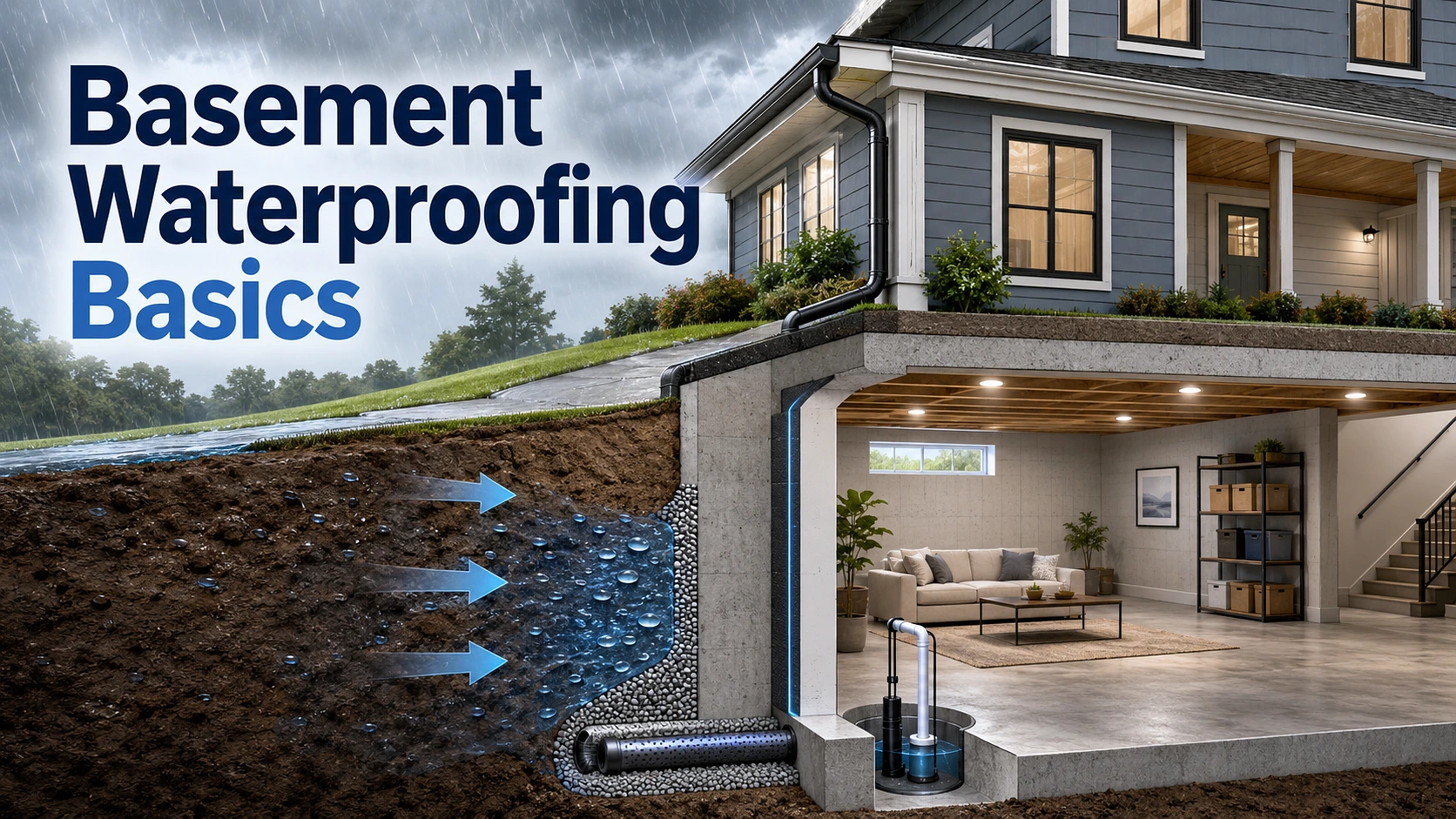
A basement can be one of the most useful areas of a home. It might serve as storage, a laundry room, a home gym, a workshop, or even a finished living space. But because basements sit below ground level, they are also one of the first places where moisture problems tend to show up.
A little dampness may not seem like a big deal at first. Maybe you notice a musty smell after a heavy rain, a few water stains on the wall, or a small puddle near the floor. The problem is that basement moisture rarely fixes itself. Over time, it can lead to mold growth, damaged belongings, peeling paint, weakened materials, and bigger structural concerns.
According to FEMA’s National Flood Insurance Program, just one inch of water in a typical home can cause up to $25,000 in damage. That is why basement waterproofing is not just about comfort. It is about protecting your home before water has a chance to create expensive repairs.
Why Basements Are So Vulnerable to Moisture
Basements are surrounded by soil. When it rains, that soil absorbs water and expands. If drainage around the home is poor, water can collect near the foundation and create pressure against basement walls.
This pressure may eventually force moisture through small cracks, gaps, joints, or porous concrete.
Some of the most common reasons basements develop moisture problems include:
- Clogged or overflowing gutters
- Downspouts that drain too close to the foundation
- Poor yard grading
- Cracks in foundation walls
- Hydrostatic pressure from saturated soil
- Aging waterproofing systems
- Sump pump failure
- Window well leaks
Even newer homes can experience basement water problems if drainage is not properly maintained.
Early Signs Your Basement May Need Waterproofing
Basement water problems are not always dramatic. In many cases, the first signs are subtle.
Homeowners should watch for:
- Musty odors
- Damp concrete walls
- Water stains on floors or walls
- Peeling paint
- White chalky residue on masonry
- Mold or mildew
- Rust on appliances or metal supports
- Puddles after heavy rain
- Cracks in basement walls or floors
That white chalky residue is called efflorescence. It appears when water moves through masonry and leaves mineral deposits behind. While it may look harmless, it is often a clue that moisture is passing through your basement walls.
Start With Exterior Drainage
One of the simplest ways to reduce basement moisture is to control where rainwater goes outside your home.
Start by checking your gutters and downspouts. Gutters should be clean and free-flowing, while downspouts should direct water several feet away from the foundation.
You should also look at the slope of the soil around your home. Ideally, the ground should gently slope away from the foundation. If soil settles and slopes toward the house, rainwater can pool along the basement walls.
Helpful exterior fixes may include:
- Cleaning gutters at least twice a year
- Adding downspout extensions
- Regrading soil near the foundation
- Installing splash blocks
- Keeping landscaping from trapping water against the house
- Checking window wells for debris
These small steps can make a noticeable difference, especially before rainy seasons or major storms.
Do Not Ignore Foundation Cracks
Small foundation cracks are common, but they should still be monitored. Some cracks are cosmetic, while others may allow water to enter or indicate pressure against the foundation.
Pay closer attention to:
- Horizontal cracks
- Stair-step cracks in block walls
- Cracks wider than 1/8 inch
- Cracks that continue to grow
- Cracks with moisture or staining around them
If you are in New Jersey and dealing with basement leaks, foundation cracks, or recurring moisture, Blue Umbrella Waterproofing can help identify the source of the problem and recommend the right waterproofing solution for your home.
Check Your Sump Pump Before You Need It
If your basement has a sump pump, it should be tested before heavy rain arrives.
A sump pump helps remove water that collects in a sump pit, keeping it from rising into the basement. However, pumps can fail because of age, power outages, clogged discharge lines, or mechanical issues.
To test it, pour water into the sump pit and make sure the pump turns on, removes the water, and shuts off properly.
You may also want to consider:
- A battery backup system
- A pump alarm
- Regular cleaning of the sump pit
- Checking the discharge line for blockages
A working sump pump can be one of the most important defenses against basement flooding.
Understand the Difference Between Dampness and Water Intrusion
Not every basement moisture issue looks the same.
Some homes experience general dampness due to humidity. Others have active water intrusion during rainstorms. Understanding the difference can help you decide what kind of solution is needed.
Common humidity-related signs include:
- Condensation on cold surfaces
- A damp smell
- Slightly musty air
- Moisture on pipes
Common water intrusion signs include:
- Puddles
- Wet wall cracks
- Staining after rain
- Water along the floor-wall joint
- Repeated leaks in the same area
A dehumidifier may help with general basement humidity, but it will not solve water entering through cracks, walls, or the foundation joint.
Why Waterproofing Is a Long-Term Home Investment
Basement waterproofing may not be as visually exciting as a kitchen remodel or new flooring, but it can protect the areas of the home that matter most.
Moisture can affect:
- Flooring
- Drywall
- Stored belongings
- Insulation
- Air quality
- Wood framing
- Foundation materials
The Insurance Information Institute reports that water damage and freezing are among the most common causes of homeowners insurance claims. While sudden water damage may be covered in some cases, gradual seepage or maintenance-related issues often are not. That makes prevention especially important.
Waterproofing can also help make a basement more usable. A dry basement is easier to finish, organize, and maintain. Whether you use the space for storage or plan to remodel it later, keeping it dry gives you more flexibility.
Simple Habits That Help Keep a Basement Dry
Even if you are not ready for a full waterproofing project, there are practical habits that can help reduce your risk.
Try to:
- Inspect your basement after heavy rain.
- Keep gutters clean.
- Make sure downspouts drain away from the house.
- Run a dehumidifier during humid months.
- Store items in plastic bins instead of cardboard boxes.
- Avoid placing valuables directly on the basement floor.
- Check for new cracks or stains every few months.
- Test your sump pump seasonally.
These habits will not replace professional waterproofing if water is actively entering your home, but they can help you catch problems earlier.
When to Call a Professional
Some basement moisture problems can be handled with basic maintenance. Others need a professional inspection.
It may be time to call an expert if you notice:
- Water entering after every heavy rain
- Growing foundation cracks
- Mold or persistent musty odors
- Standing water
- Wet basement walls
- A failing sump pump
- Water stains that keep returning
For homeowners in New Jersey, including the greater Newark area and nearby communities, Blue Umbrella Waterproofing offers basement waterproofing, crawl space repair, and foundation repair services for homes dealing with moisture-related issues.
Keep Water Problems From Becoming Bigger Repairs
Basement waterproofing is really about staying ahead of damage.
When water gets into a basement, it can quickly affect comfort, storage, air quality, and the long-term condition of the home. The earlier you address the warning signs, the easier it is to prevent larger repairs later.
A dry basement starts with awareness. Pay attention to small changes, maintain your drainage systems, and do not ignore recurring dampness. With the right preventative steps, you can protect your basement and feel more confident the next time heavy rain is in the forecast.
 Decor & Improvement Accessories