

Home & Decor Blogs: DIY, Interior Design & Lifestyle Ideas
Designing a Comfortable Workout Area at Home

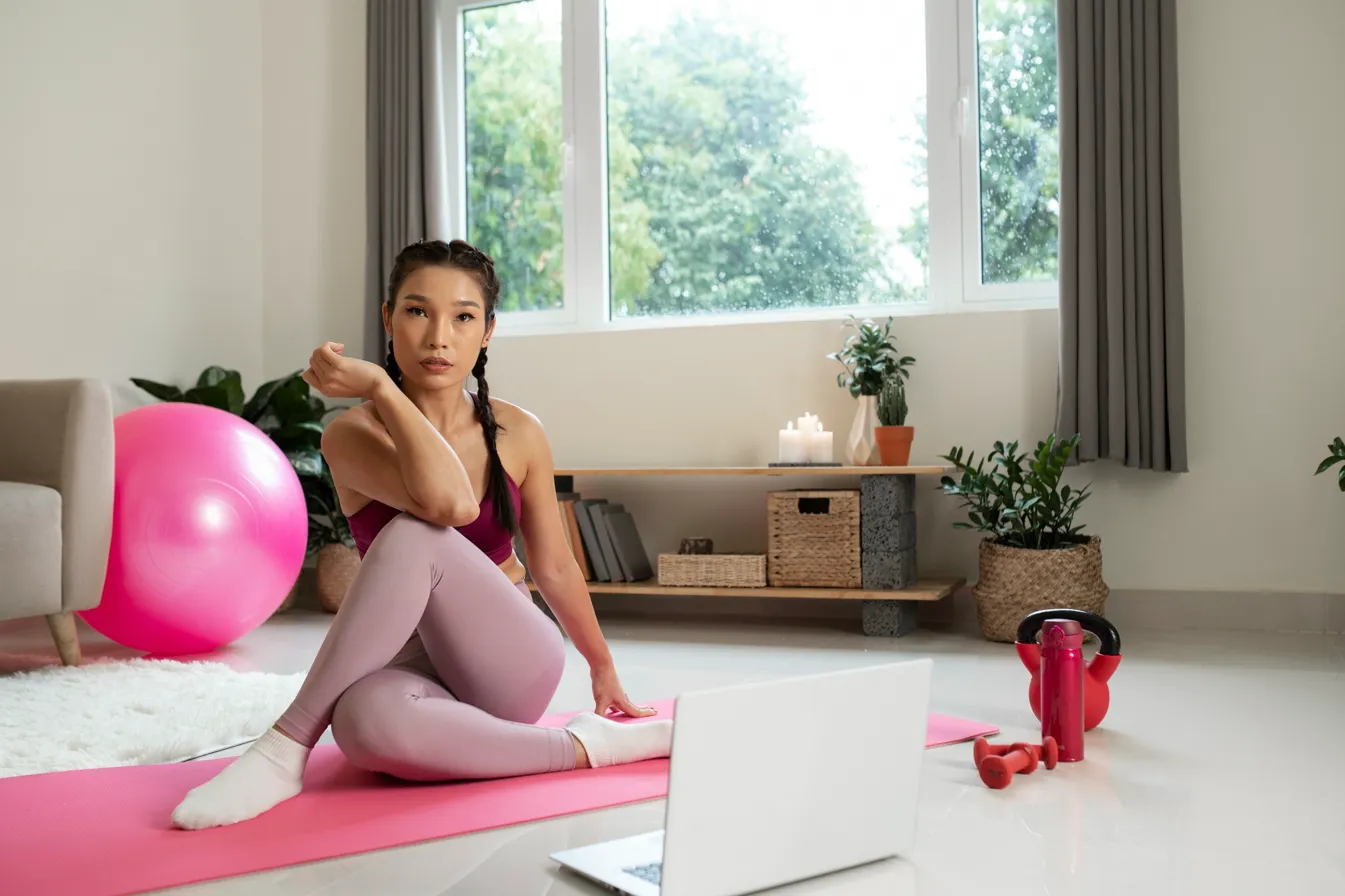
Gym memberships average about $58 to $69 a month in the US right now. That’s somewhere around $700 to $830 a year, and roughly 67% of people who hold memberships rarely or never actually use them. Paying that much to not go somewhere is a pretty expensive habit.
The attendance issue is resolved by constructing a workout area in the house. No driving, no getting ready to drive to work, no attempt to fit in a workout in between work and closing the gym. You wake up, walk to the other room and begin. The fitness equipment market in homes is estimated to be over 12 billion dollars in the world today, and growing, that is a lot of individuals are coming up with the same.
However, there is a distinction between spending money on a treadmill, throwing it into the garage, and letting it gather dust and planning a room that you will go to regularly. The room itself is of more importance than it is perceived by the majority of people.
Figure Out What You Actually Do
This is simple, and yet people are thrown off by this. A person becomes obsessed with the idea of having a home gym, purchases a bench, a rack, a cable machine, a rowing machine, and three months later, half of it is lying around unused due to the fact that they do mostly bodyweight circuits and yoga.
Share the truth about what your exercises are. When you run and do some stretching, you require quite different gear than someone who’s really into heavy barbell work. Assuming you switch between HIITs and dumbbell workouts, your layout should be able to accommodate both, without having to move the furniture on a case-by-case basis.
Measure the room. This matters because equipment footprints add up fast. A treadmill takes roughly 30 square feet when you account for safe clearance around it. A power rack needs about 50 square feet of usable space. Even a yoga mat with room to move through flows needs a 6×8-foot clear area minimum. Ceiling height catches people off guard, too — overhead presses, pull-up bars, and jump rope all need vertical clearance that a standard 8-foot ceiling makes tight.
Good home fitness equipment choices come down to matching what you buy to what you’ll genuinely use, not what looks impressive in someone else’s garage gym on social media.
Picking Equipment That Earns Its Space
Smaller spaces demand gear that does multiple things. A set of adjustable dumbbells replaces an entire rack of fixed weights and takes up about two square feet of floor space. A foldable bench stores against the wall when you’re not using it. Resistance bands cost almost nothing, fit in a drawer, and cover a surprising range of exercises.
For cardio, the choice depends on whether you fold and store or dedicate floor space permanently. A foldable treadmill or a compact spin bike works for smaller rooms. A rowing machine like a Concept2 sits on the longer side — about 8 feet — but stores upright when not in use.
Some equipment combinations that cover a lot of ground without eating up your room:
| Workout Style | Gear That Fits Small Spaces | Gear for Dedicated Rooms |
|---|---|---|
| Strength focused | Adjustable dumbbells, pull-up bar, resistance bands, foldable bench | Power rack, barbell set, weight plates, flat/incline bench |
| Cardio focused | Jump rope, foldable treadmill, compact bike | Rowing machine, full treadmill, air bike |
| Mixed / HIIT | Kettlebells, slam ball, pull-up bar, yoga mat | All of the above, plus a wall ball target, plyo box |
The smart money goes toward quality over quantity. A $300 pair of adjustable dumbbells that last a decade beats five cheap purchases that break or feel awful to use. And buying secondhand for items like barbells, weight plates, and benches is completely reasonable — steel doesn’t expire.
The Floor Matters More Than You’d Think
Working out on bare concrete or thin carpet over a hard subfloor is rough on joints and lousy for anything involving ground contact. Rubber gym flooring changes the experience dramatically.
Interlocking rubber tiles (the kind you see in commercial gyms) run around $1.50 to $4 per square foot and absorb impact, reduce noise, and protect the floor underneath from dropped weights. For a 100-square-foot area, that’s $150 to $400 — one of the cheaper upgrades that makes the biggest difference.
If you’re doing mostly yoga, stretching, or bodyweight work, a thick exercise mat on clean, hard flooring works fine. But anything involving weights hitting the ground needs rubber. Your downstairs neighbours (or your foundation) will thank you.
Getting the Room to Feel Right
A workout space that feels like a punishment room doesn’t get used. The garage setup with flickering fluorescent lights, spider webs, and boxes piled in the corner — that works for about two weeks before you start finding reasons to skip.
Temperature matters. An unheated garage in January or an unventilated spare room in July will kill consistency faster than any equipment limitation. A portable heater for cold months and a good fan for warm months are basics that actually affect whether you show up. If ventilation is poor, even cracking a window makes a measurable difference in how the room feels during intense work.
Natural light helps if you’ve got it. If not, avoid overhead fluorescents that make everything feel like a hospital waiting room. A couple of LED shop lights or even a floor lamp with a daylight bulb creates a noticeably better atmosphere. A mirror on one wall is useful — not for vanity, but for checking form on squats, deadlifts, presses, or any movement where positioning matters.
Plants, a Bluetooth speaker, a whiteboard for tracking workouts — these are small touches, but they make the difference between a room you tolerate and a room you actually want to walk into.
Keeping It Organised
Equipment sprawled across the floor is a tripping hazard and a motivation killer. Wall-mounted hooks for resistance bands and jump ropes. A small shelf or rack for dumbbells and kettlebells. A basket or bin for smaller accessories like wrist wraps, chalk, and foam rollers.
The goal is that the setup time before a workout is close to zero. If you have to move three things, dig out your bands from a box, and clear space on the floor before you can start, that friction adds up. Some days it’s enough to make you not bother.
Cleaning takes thirty seconds and should happen after every session. Wipe down benches and mats with a simple disinfectant spray. Sweat and dust on rubber flooring get slippery and gross. Inspect equipment occasionally — loose bolts on a bench, fraying cables on a machine, cracked carabiner clips on a cable attachment. These things fail gradually, and catching them early is a safety issue, not just maintenance.
Your Space Will Change (and That’s Fine)
What you need at month one of training and what you need at month eighteen are probably different. Maybe you started with bodyweight work and resistance bands, and now you want a barbell. Maybe the treadmill you bought collects dust because you discovered you prefer rowing. Maybe your goals shifted from weight loss to strength, and the equipment mix needs to follow.
Build with flexibility in mind. Don’t bolt everything to the walls and fill every square inch on day one. Leave room to swap things out, add a piece later, or rearrange when your routine changes. The home fitness market is expected to grow past $19 billion by the mid-2030s. Manufacturers are building more compact, multifunctional equipment every year. What’s available in two years will probably be better and more space-efficient than what exists now.
The real advantage of training at home isn’t about fancy equipment or Instagram-worthy setups. It’s consistency. A room that’s ten steps from your bed, set up for the way you actually train, available at any hour — that removes every excuse except the one where you genuinely don’t feel like it today. And some days that’s fine too.
Build the space around your real habits, keep it clean and comfortable, invest in quality home fitness equipment that matches what you do, and you’ll use it. That’s the whole formula.
 Decor & Improvement Accessories