

Home & Decor Blogs: DIY, Interior Design & Lifestyle Ideas
Designing with Shadow: Why the Best Rooms Aren’t Evenly Lit

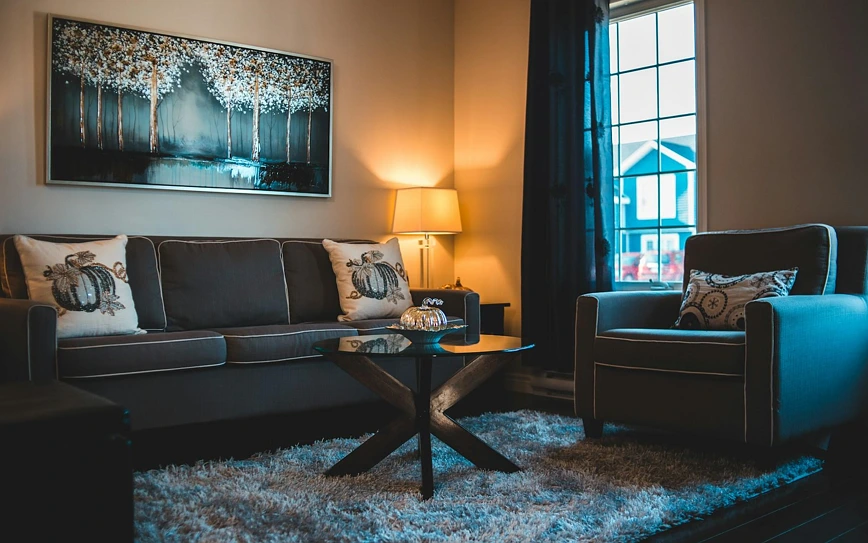
Lighting shapes how a room feels just as much as furniture, color and decor. When every corner is lit the same way, a space can start to feel flat or overly exposed. Shadow, contrast and layered lighting help create depth, comfort and a more intentional mood.
Why Evenly Lit Rooms Feel Flat
Evenly lit rooms with an overhead light bring a uniform brightness to a space that completely bares everything. Some simply regard that brightness as task lighting because of the high visibility it provides. However, others may find it flat and almost off-putting, comparing it to that of a product showroom or even a clinic. In residential spaces where the goal is relaxation, variation is key.
The Art of Using Shadow and Contrast
Light and shadow are a great way to play with a room, as the contrast builds visual depth and creates a more interesting mood. Plus, the right amount of darkness can reduce glare and let the eyes rest.
More and more people are prioritizing dynamic lighting when creating their homes. In fact, designers are noticing more attention to this element, with requests for smart lighting integration rising from about 25% to nearly 75% across budgets.
How to Shape and Design Room Lighting
Shadow and contrast are powerful tools in changing the feel of an entire space. Here are several strategies to shift lighting design.
1. Play with Color Temperatures
Having various color temperatures can help you change up the mood of your space. If you want to mimic natural light that has a more neutral tone, you may have to use bulbs that are 4,000-Kelvin to 5,000-Kelvin in color temperature. If you’re looking for warmer yellows, consider going for a lower option.
2. Shift the Placement of Your Fixtures
Finding different lighting fixtures, like lamps and sconces, is a great way to control where the light and shadows fall in your room. Consider using different focal points, such as dedicating one fixture to a corner while another covers other angles. Pan and tilt these to test what the overall look will end up like.
3. Shape Daylight Through Your Windows
Your windows could be a powerful ally in welcoming and changing the way light flows into your room. Outdoor sunlight can be brighter than interior lighting during the daytime, so you can add curtains or sheer dressings to adjust the overall illumination. Adding window tint, such as reflective film, can diffuse light and improve daytime privacy, though you may still need curtains or shades for privacy after dark.
4. Make the Most of Dimmers
If you want to adjust the intensity of artificial lights in your home, consider adding dimmers. These dials help you set the brightness as strong or as soft as you need. Some smart lights may even be programmed to adjust according to the time of day.
5. Consider Your Space’s Materials
The types of surfaces and fabrics in your space affect how light is reflected or diffused. If you want additional light, place polished materials like glossy stones or glass to bounce it around the space. Meanwhile, you can add rough and textured materials to build soft shadows.
Hues can also play a big role, with darker tones absorbing rather than reflecting light. Change the visual weight of your space by shifting your room’s color palette.
Create Balance with Light and Shadow
People often prioritize visibility when planning a room’s lighting, but brightness alone does not always create comfort. A thoughtful mix of light and shadow can make a space feel warmer, deeper and more inviting. By shaping daylight, adjusting fixtures and layering lamps, you can create rooms that feel balanced instead of flat.
 Decor & Improvement Accessories